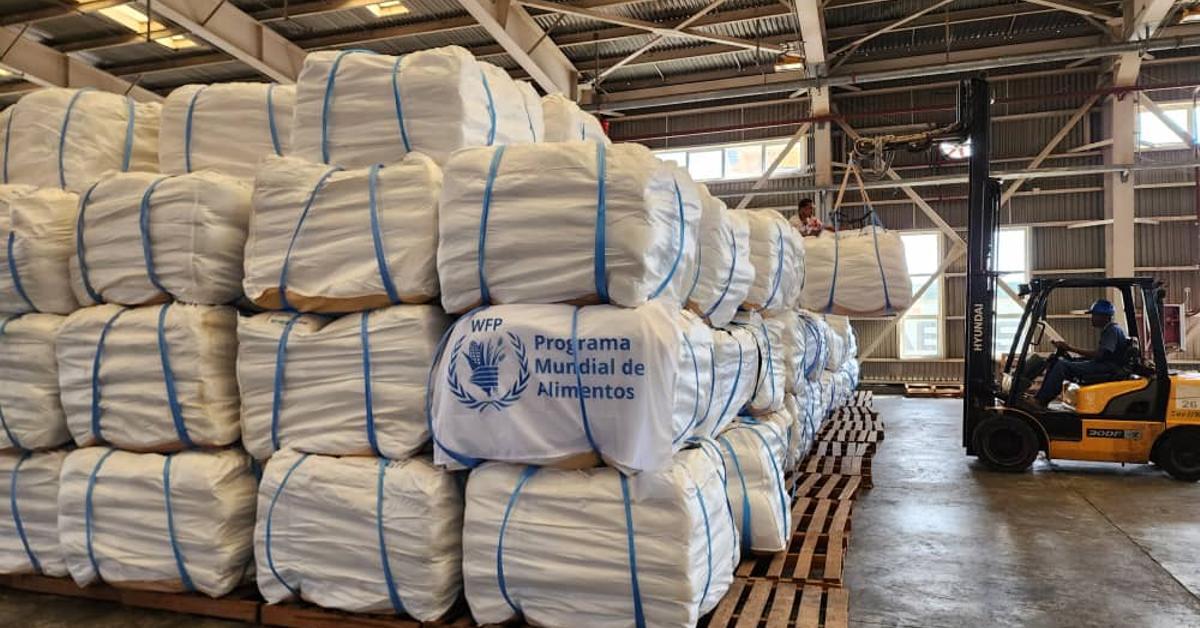
Havana/South Korea’s first show of aid to Cuba, since its reestablishment of diplomatic relations in 2024, took place this Thursday. 24,600 tons of donated rice arrived from Seoul, of which half will go to the eastern provinces – the most affected by the passage of the Hurricane Melissa–, reported the United Nations System in Cuba and official media.
Half of the donation – which will be bimonthly and will last for one year – was unloaded in the port of Santiago de Cuba and seeks to double, for five months, the quotas that the UN World Food Program distributes in the east of the country. According to the United Nations, the grain “will contribute to strengthening the food security of the eastern provinces, targeting vulnerable groups.” Meanwhile, the other part of the shipment will arrive through Havana, with the purpose of doubling deliveries to the population in the rest of the country.
The donation, which was announced last October by the South Korean ambassador in Havana, Lee Ho-Yul, is “just the beginning” of bilateral cooperation between both nations. The list also includes South Korea’s collaboration with the United Nations Children’s Fund (Unicef) in maternal and child nutrition programs in Cuba, as well as with the World Health Organization (WHO) in sending medical supplies.
The donation, which was announced last October by the South Korean ambassador in Havana, Lee Ho-Yul, is “just the beginning” of bilateral cooperation
In addition, the Asian country is already cooperating with the Island in training in transportation, biopharmaceutical and civil engineering, and announced that both nations will work on an Inter-Chancellery Political Consultation Mechanism, the negotiation of an agreement on investments and the possible creation of a joint economic commission.
On February 14 of last year, the Cuban Ministry of Foreign Affairs announced the establishment of diplomatic and consular relations with South Korea, broken since 1959. The ties had been diluted, mainly, due to the historical, political and ideological alliance that exists between the Government of Havana and North Korea.
Since the reunion, both countries have enabled their respective embassies. Cuba inaugurated its diplomatic headquarters, in the E-Plaza building in the Jung-gu district, in the center of the South Korean capital, last June. Meanwhile, South Korea did it in the Cuban capital, in January of this year.
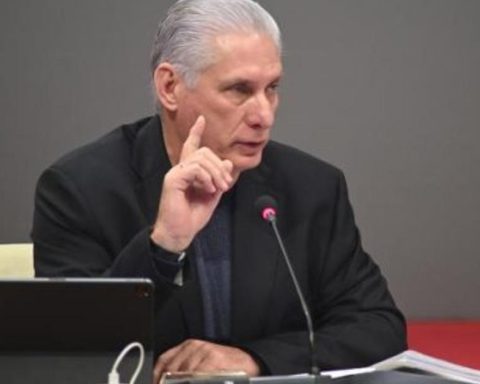
The rapprochement between Havana and Seoul caused North Korea express his discontent. This was reflected days after the establishment of the South Korean diplomatic headquarters on the island. For example, the state news agency KCNA reported, in a very brief manner, the New Year message sent by the North Korean leader, Kim Jong-un, to the Cuban president, Miguel Díaz-Canel, and also omitted the usual references to the “brotherly people” of Cuba.
Meanwhile, the ties between Havana and Seoul begin to be strengthened with the delivery of this load of rice, which also puts South Korea on the list of other food donors, and in particular this grain, such as China and Vietnam, despite the fact that it does not have the political affinity of these countries with Cuba.
It puts South Korea on the list of other food donors, and in particular this grain, such as China and Vietnam
Likewise, the donation comes at a time when the Island is suffering a worsening of its economic and financial crisis that significantly affects food imports and internal production. The most obvious example is the one in the province of Granma, once among the elite of rice producers, where it plans to plant 41,000 hectares of rice out of the 200,000 total in the country, although “it is a fairly strong goal in the current context,” according to Odisnel Traba Ferrales, agricultural director of the Fernando Echenique Agroindustrial Company.
According to the manager, the country’s producers face several problems. One of them is that they have practically four years without having the kit that the State formerly distributed with imported fertilizers, herbicides and pesticides, essential for some crops, such as in this case rice. Another problem is the transportation of grain, which is complicated by the lack of fuel, which causes it to “deviate.”