The special rapporteurs stressed that the illegal use of force and threats to use more force at sea and on land “seriously endanger the human right to life and other rights in Venezuela and the region.”
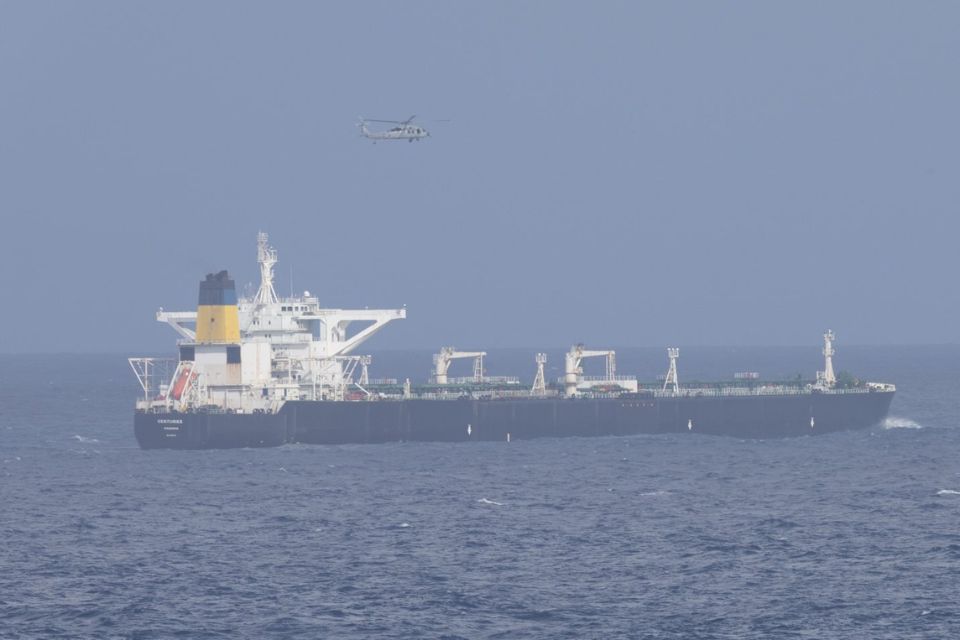
The partial maritime blockade imposed by the United States on Venezuela would violate fundamental norms of international law, four UN human rights experts said on Wednesday, December 24.
In a joint statement, the special rapporteurs called for collective action by States to safeguard international law: “Respect for the rule of law, sovereignty, the prohibition of the use of force, non-intervention and the peaceful resolution of disputes are fundamental pillars to preserve world peace and stability.”
The experts referred to the blockade and deployment of US military force in the Caribbean, recalling that imposing unilateral sanctions through an armed blockade contravenes international laws.
Right to self-defense
Furthermore, the blockade is prohibited by the United Nations Charter: “It is such a serious use of force that it is also expressly recognized as illegal armed aggression in the Definition of Aggression adopted by the General Assembly in 1974,” the experts noted.
In a joint statement, they pointed out that, since this is an armed attack according to Article 51 of the UN Charter, the victim State has the right to self-defense.
The special rapporteurs stressed that the illegal use of force and threats to use more force at sea and on land “seriously endanger the human right to life and other rights in Venezuela and the region.”
Crime subject to universal jurisdiction
According to international law, this aggression is a crime subject to universal jurisdiction, which entitles all States to prosecute it. “However, the highest government leaders enjoy immunity from foreign criminal proceedings while they remain in office,” they lamented.
The experts warned that the sanctions would be illegal, disproportionate and punitive under international law, and would seriously undermine the human rights of the Venezuelan people and the Sustainable Development Goals.
The blockade occurs after the designation by the United States, in November 2025, of elements of the Venezuelan Government, including its president, as part of an alleged “foreign terrorist organization” called the Cartel of the Suns, an entity whose existence has not been proven. The United States has also claimed that Venezuela has “stolen” American assets and must return them.
Arbitrary killings
Before the announcement of the blockade, the United States arbitrarily murdered at least 104 people allegedly involved in drug trafficking to the United States by sea, during 28 attacks against civilian vessels since early September 2025.
None of those executed posed an immediate threat that would justify the use of lethal force, the experts added, citing that last February, the United States listed certain drug cartels and gangs as foreign terrorist organizations and declared it was waging a war against “narcoterrorists.”
Accountability
The rapporteurs said that, as violations of the right to life, the murders must be investigated and those responsible must be prosecuted.
Likewise, they considered that the United States Congress should intervene to prevent new attacks and lift the blockade.
In conclusion, the experts urged States to take all possible measures to end the blockade and illegal executions, including through diplomatic protests, General Assembly resolutions and peaceful countermeasures, as well as ensure that those responsible are brought to justice.
With information from a UN press release
*Journalism in Venezuela is carried out in a hostile environment for the press with dozens of legal instruments in place to punish the word, especially the laws “against hate”, “against fascism” and “against the blockade.” This content was written taking into consideration the threats and limits that, consequently, have been imposed on the dissemination of information from within the country.
Post Views: 38