When we began to study the History of Cuban Music, one of the essential figures that we discovered was Esteban Salas. Not only because of the magnitude of his work or because of the central place it occupies within colonial music, but because many of the questions we ask ourselves when approaching that period are concentrated in it: What did Cuba sound like in the 18th century and to what extent were those European models transformed when they arrived in the Caribbean?
Salas, born in Havana, was chapelmaster for decades in Santiago de Cuba; He knew how to appropriate the language of the late baroque and the gallant aesthetic to construct a musical discourse with its own sensitivity, deeply linked to its environment. That today we can listen to it, study it and feel it as part of our history is not a coincidental fact, but the result of the rescue and dissemination work initiated by Alejo Carpentier in La Música en Cuba (our bible at that time) and Pablo Hernández Balaguer. Work that was continued by several researchers, including Miriam Escudero, whose compilation work has been of great value.
We cannot fail to mention the recordings of the Exaudi choir under the direction of María Felicia Pérez and Ars Longa, a group directed by Teresa Paz and Aland López. Both projects left a sound testimony of incalculable value for future generations. All of these people have made it possible to bring this part of our culture closer and make it, in some way, more ours, less distant.
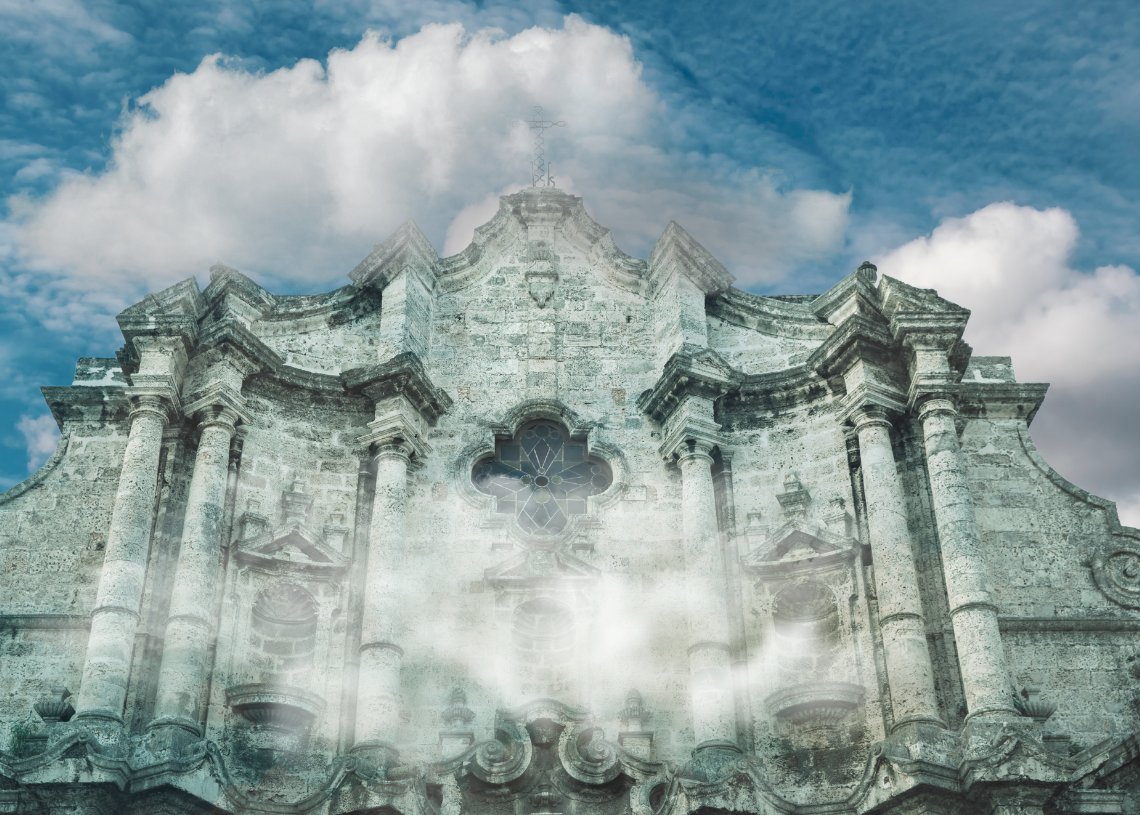
This 2025 marks the 300th anniversary of Salas’ birth (December 25, 1725); For this reason, several Cuban institutions organized a concert in the Havana Cathedral tomorrow, Thursday, December 25, at 4:00 pm. During this evening, viewers will witness the world premiere of several unpublished works by Salas that have been rescued, meticulously studied and prepared for the joyous occasion that promises to be a truly unique event.
The program proposes a route that accompanies different moments of the liturgical story of Christmas, from the announcement of the birth to the adoration and the final joy.
The works are organized in three blocks that alternate the solemn and the vernacular, combining pieces of a contemplative nature with other more narrative and close ones, where figures such as shepherds appear, and musical resources associated with the Hispanic tradition.
A second moment brings together Marian works (compositions dedicated to the Virgin Mary) of a more collected nature, focused on faith, motherhood and contemplation. Here a broader writing and a sound treatment that emphasizes solemnity and spiritual depth predominate.
The program culminates with pieces of an exultant nature, where the music takes on a celebratory and prophetic tone, calling for collective adoration and closing the journey with the joy typical of the Christmas service.
The selection demonstrates the versatility of Esteban Salas and his ability to adapt musical language to each genre and liturgical function. Thanks to the work of musicological and interpretative recovery developed in the 20th century, these works today form an active part of our musical heritage so that, even three centuries after their conception, they continue to liven up Cuban Christmas.
The performance will be performed by the Ensemble Cantabile, founded in 2016 by the baroque oboist and flutist Yulnara Vega and the tenor Roger Quintana, both with extensive experience in early Cuban and international music. The group focuses on baroque music with historical criteria, using instruments that recreate the originals and paying attention to the nuances of the style of each work. The Vox Cordis choir completes the program, under the direction of Ramón Leyva, made up of young singers with diverse training and accustomed to moving through repertoires ranging from sacred music to contemporary works. The combination of these groups allows us to experience Salas’ work with precision, musicality and freshness, in the exceptional acoustics of the Cathedral that will transport us directly to the 18th century.
So, without further ado, I invite you, dear readers, to attend this concert: not only to have the privilege of witnessing a historical event, but for the opportunity, for a December afternoon, to transport ourselves to the past and live an unforgettable experience together.