Panamanian Foreign Minister Javier Martínez-Acha assured that the ships with the flag of that country intercepted by the United States failed to comply with basic flag standards. Among the irregularities detected are name changes and discrepancies in crew data
The Minister of Foreign Affairs of Panama, Javier Martínez-Acha, reported this Monday, December 22, that the Panamanian-flagged vessels intercepted by the United States in international waters, off the coast of Venezuela, showed non-compliance with the rules for flagging vessels.
As explained the chancellor, In at least one of the cases, the change in the name of the ship and the lack of coincidence between the identities of the crew and official records were detected.. These irregularities, he stated, constitute alerts that force the Panamanian authorities to review the situation of the pavilion and make decisions to guarantee compliance with national and international standards.
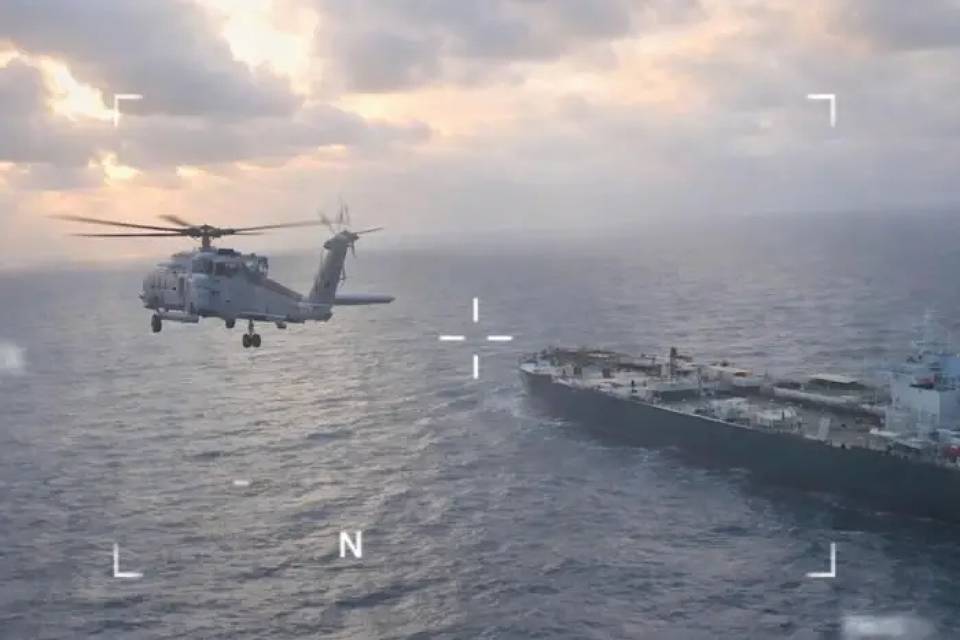
On December 20, in international waters, the United States intercepted the Centuries ship, flying the Panamanian flag, owned by a Chinese company. This vessel was not on the list of oil tankers sanctioned by Washington.
A day later, on Sunday, December 21, a third oil tanker was chased in the Caribbean Sea, near the Venezuelan coast. It was the Bella 1 ship, allegedly used by Iran. The current status of the vessel was not specified, although it was indicated that it was sailing to Venezuela under the Panamanian flag.
The first reported case occurred on December 11, when the Guyanese-flagged ship Skipper was seized following the order from President Donald Trump’s administration to completely block ships leaving or heading to Venezuela with oil shipments.
Martínez-Acha added that the ships involved had deliberately disconnected their tracking systems, a practice that contravenes international maritime regulations. “All these variables are alerts that force us to make decisions so that our flag, as a merchant navy, is respected and complies with all the regulations of our country and international maritime regulations,” said the chancellor in statements to the Telemetro Reporta program.
The official indicated that the Panamanian authorities are closely monitoring these incidents and that decisions will be made based on the information available and new data that may arise in the course of the investigations.
*Read also: Venezuela warns that blockade and “piracy” against its oil will affect the world
*Journalism in Venezuela is carried out in a hostile environment for the press with dozens of legal instruments in place to punish the word, especially the laws “against hate”, “against fascism” and “against the blockade.” This content was written taking into consideration the threats and limits that, consequently, have been imposed on the dissemination of information from within the country.
Post Views: 188