The National Supply Company (Conab) announced this Monday (22) that it will invest R$4 million in the acquisition of 890 thousand liters of whole peach juice from producers, especially in Rio Grande do Sul. 
The state is responsible for the largest production of the fruit and is facing difficulties in marketing the product due to problems in the current harvest and competition with Argentine peaches, with lower prices due to the devaluation of the peso, the neighboring country’s currency.
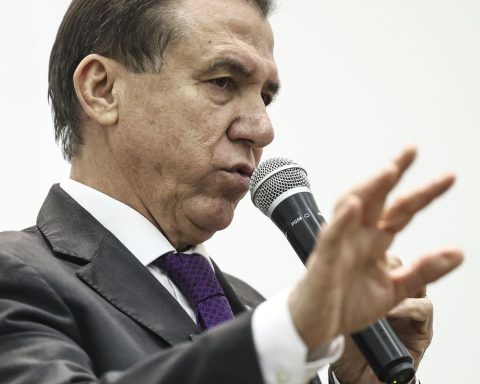
According to the president of Conab, Edegar Pretto, the measure aims to reduce the impacts of the crisis faced in the current harvest and ensure alternatives for the flow of production.
“We are once again listening to the production sector, as we had already done with the rice sector, and meeting expectations within the limits of fiscal responsibility. It was another great harvest for this country, because under our government, planting food became worthwhile again”, he said.
According to Conab, the acquisition will be made through the Direct Purchase (CD) modality within the scope of the Food Acquisition Program (PAA). Measure should serve at least 270 families and four producing organizations.
To participate, producers need to register in the National System for Registration of Rural Producers and Other Agents (Sican) to send proposals with the quantity of the product to be offered. The individual limit per producer is R$15 thousand.
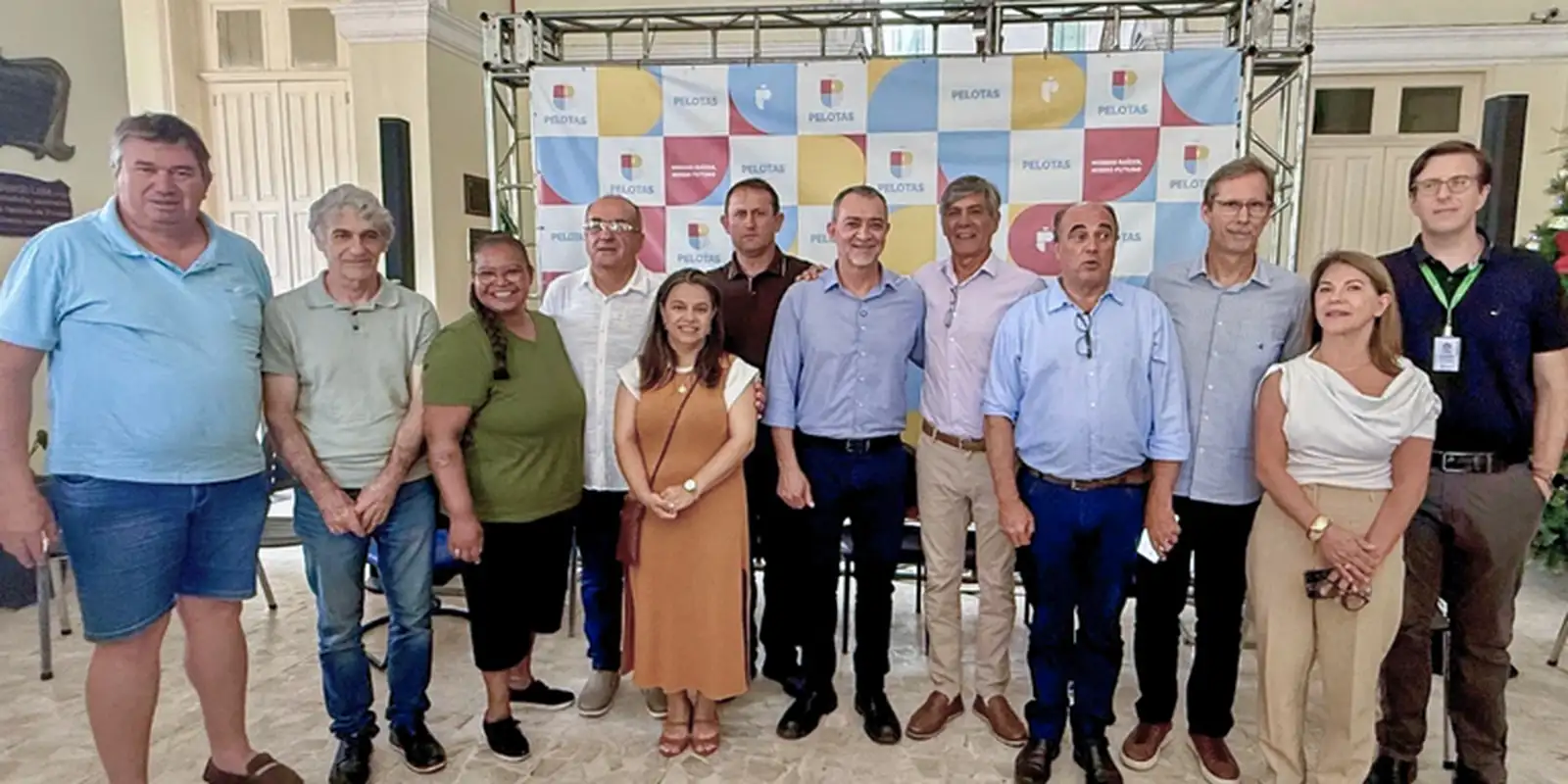
“This is a very important measure, not only because of the resources that will be used to buy our production, but also because of the publicity that this inclusion of peach juice in school meals will provide for our product in many places that are not familiar with our peach juice, and do not have the habit of consuming it”, said the vice-president of the Association of Peach Producers of the Pelotas Region (RS), Celmar Schafer Raffi.
According to Conab, the reference price per kilogram of peach for acquisition via PAA in Rio Grande do Sul is R$1.85 to R$2.10. The state-owned company has established that it will pay the maximum amount to producers in Rio Grande do Sul, with resources that will be allocated by the Ministry of Development and Social Assistance, Family and Fight Against Hunger (MDS).