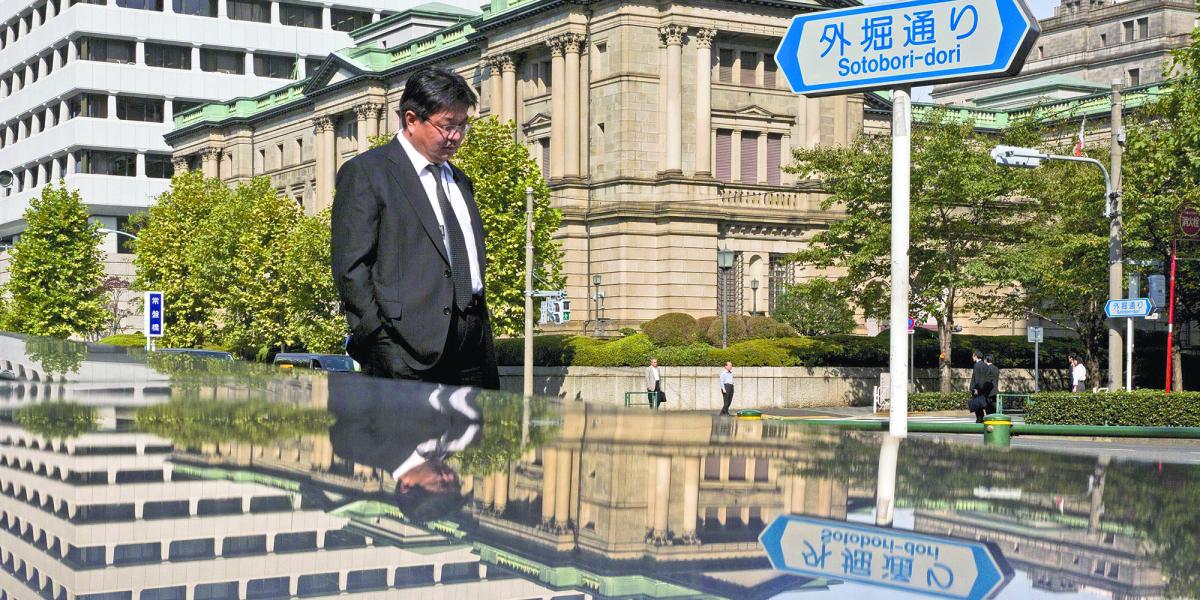
The Bank of Japan (BOJ) will likely raise interest rates three more times to 1.5% during Governor Kazuo Ueda’s remaining term, which ends in early 2028, former central bank board member Makoto Sakurai told Reuters yesterday (December 22).
The first increase to 1.0% could occur around June or July of next year, depending on the strength of the US economy, as well as the evolution of wages and prices at the national level, Sakurai said.
In an interview, he mentioned that new increases in revenues could be more difficult, since they would bring financing costs closer to levels considered neutral for the economy and provoke criticism from the inflationary advisers of the moderate Prime Minister, Sanae Takaichi.
“The Bank of Japan won’t say it publicly, but it probably considers 1.75% to be the estimated neutral level. An increase to 1.50% would be comfortably below that level and still leave the BOJ enough room to cut rates if necessary,” said Sakurai, who maintains close contact with current policymakers.
The BOJ could raise rates twice during the next fiscal year, which begins in April 2026, if strong U.S. growth supports the Japanese economy and domestic inflation remains above the central bank’s 2.0% target, he said.
If uncertainty about the US economic outlook increases and domestic inflation moderates significantly, the BOJ could choose to raise rates just once in fiscal 2026 and delay further increases until 2027, Sakurai said.
“The Bank of Japan probably wants to resume raising rates at a rate of about one every six months. However, it seems a little worried about the risk of facing government opposition,” he said.
The BOJ raised interest rates from 0.5 to 0.75% on Friday, raising financing costs to a level not seen in 30 years, in another historic step toward ending monetary support.