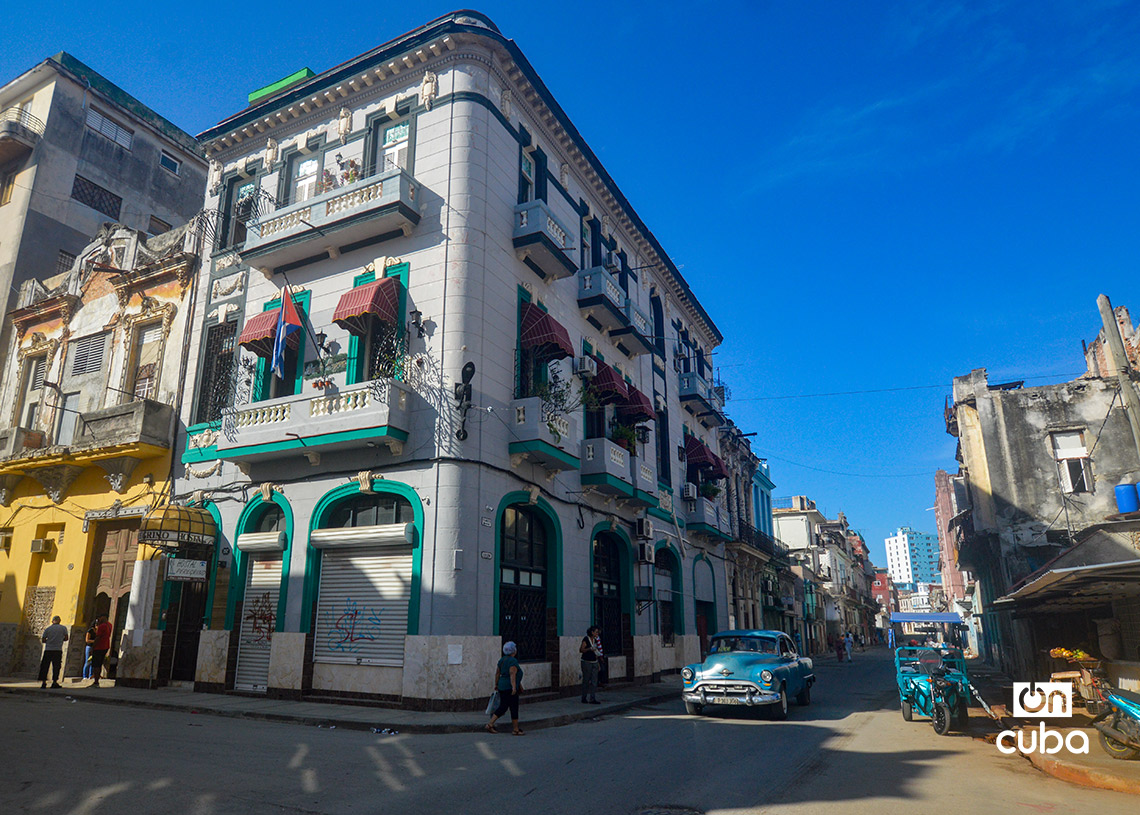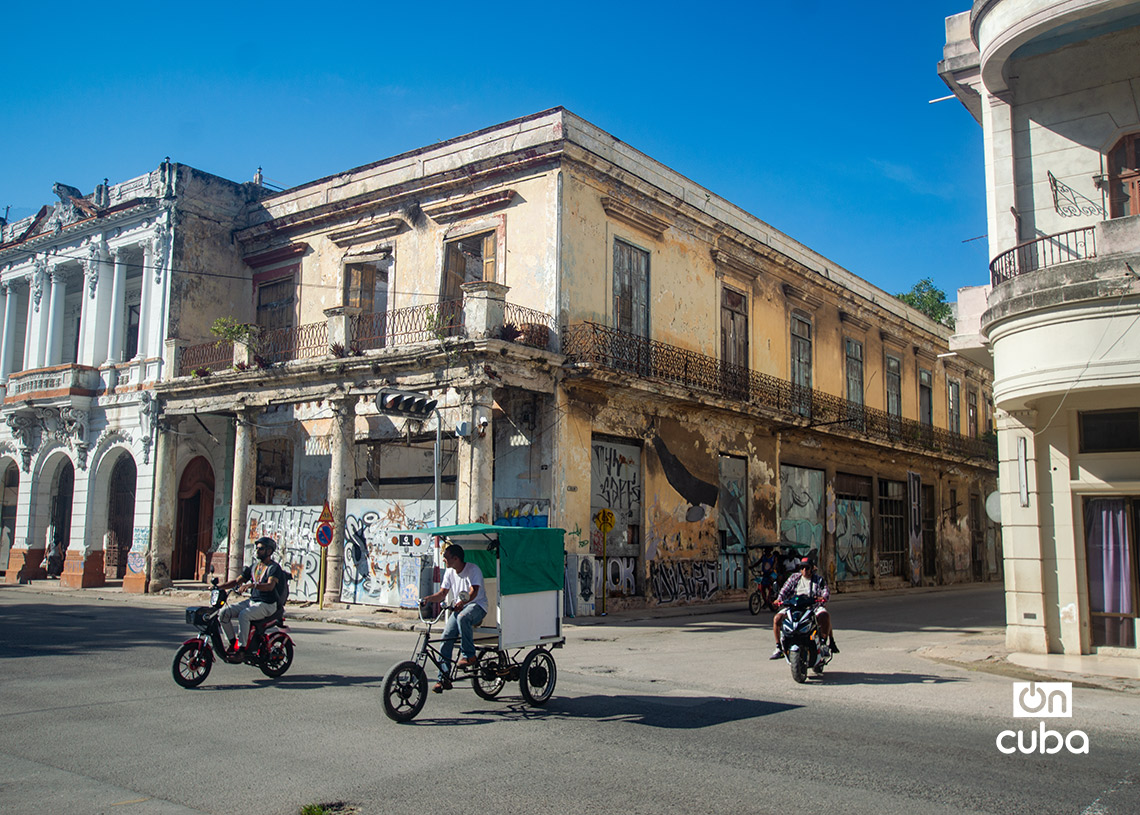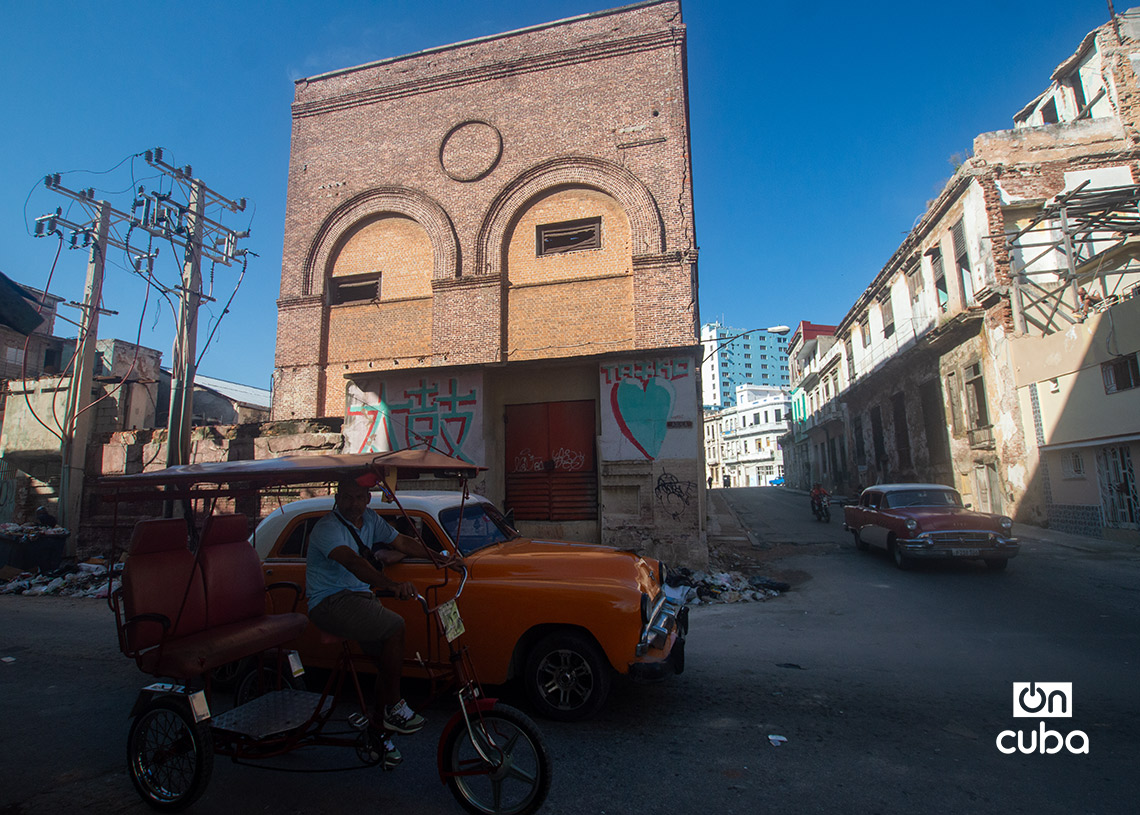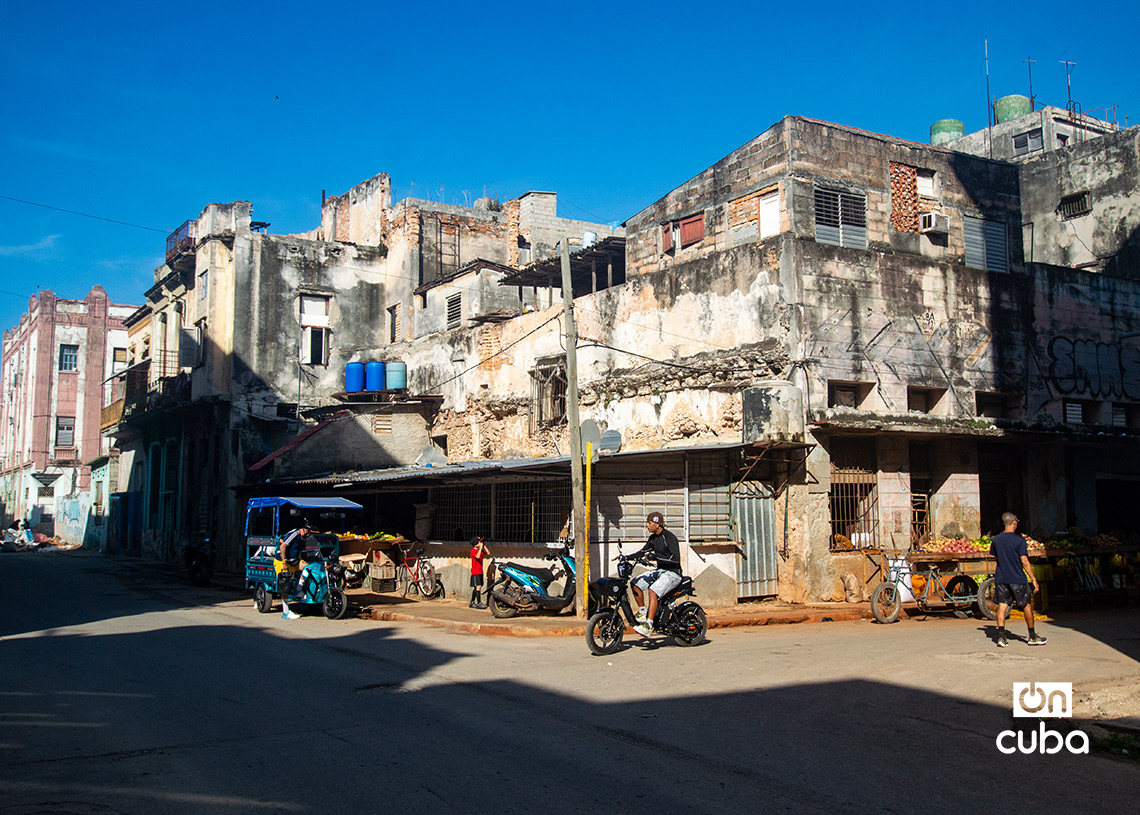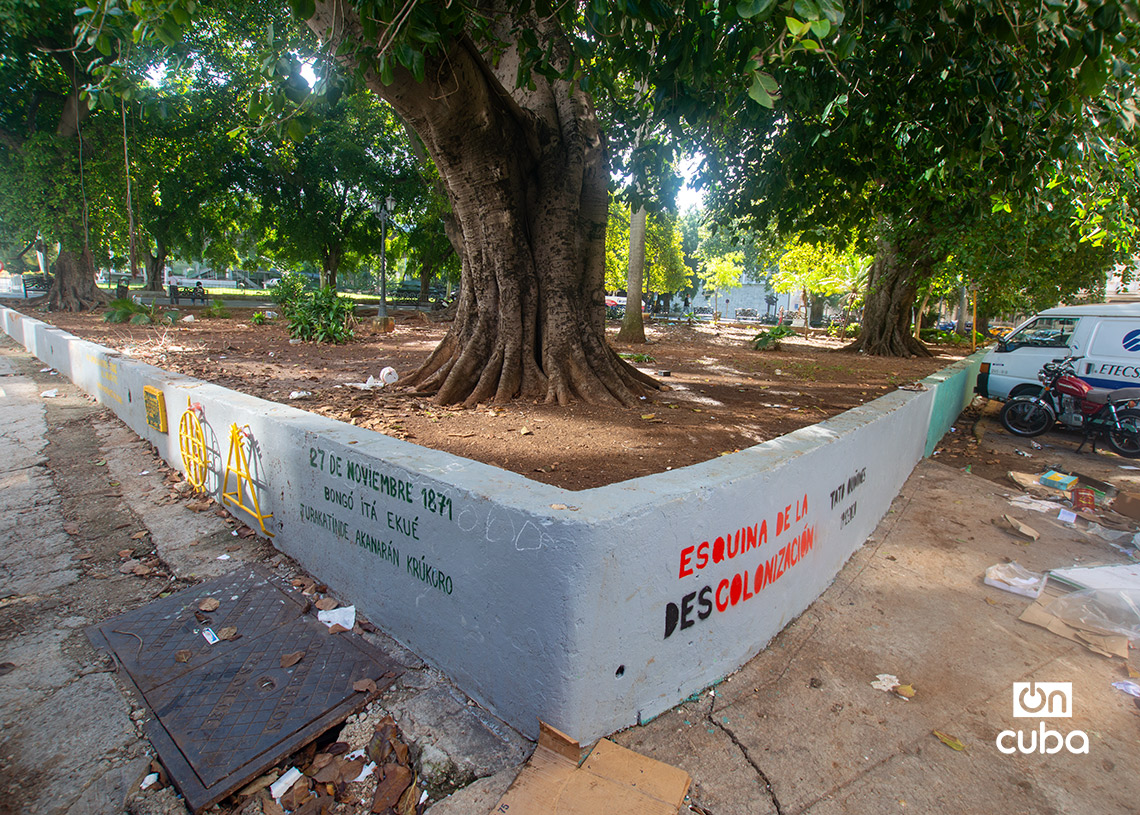
Although less extensive than others, Colón Street is one of the Havana arteries with the most history. Your journey draws an axis between Central Havana and Old Havana: connects the populous San Lázaro street with the no less busy Avenida de las Misiones, very close to the Paseo del Prado and the civic axis that makes up the old Presidential Palace and other monumental buildings.
Heart of the Colón neighborhood—named in honor of the famous navigator—at first glance it might seem like just another street in Havana, but its future condenses a good part of the city’s transformations, from the demolition of the walls to the current crisis.
In its origins, Columbus was part of the so-called extramural zone. For years it was known by other names – Calle de las Canteras, Calle de los Vidrios, Calle del Baluarte – reflecting the uses of the environment and the memory of the old fortifications that marked the border between the walled town and the new neighborhoods that emerged in the midst of the city’s expansion.
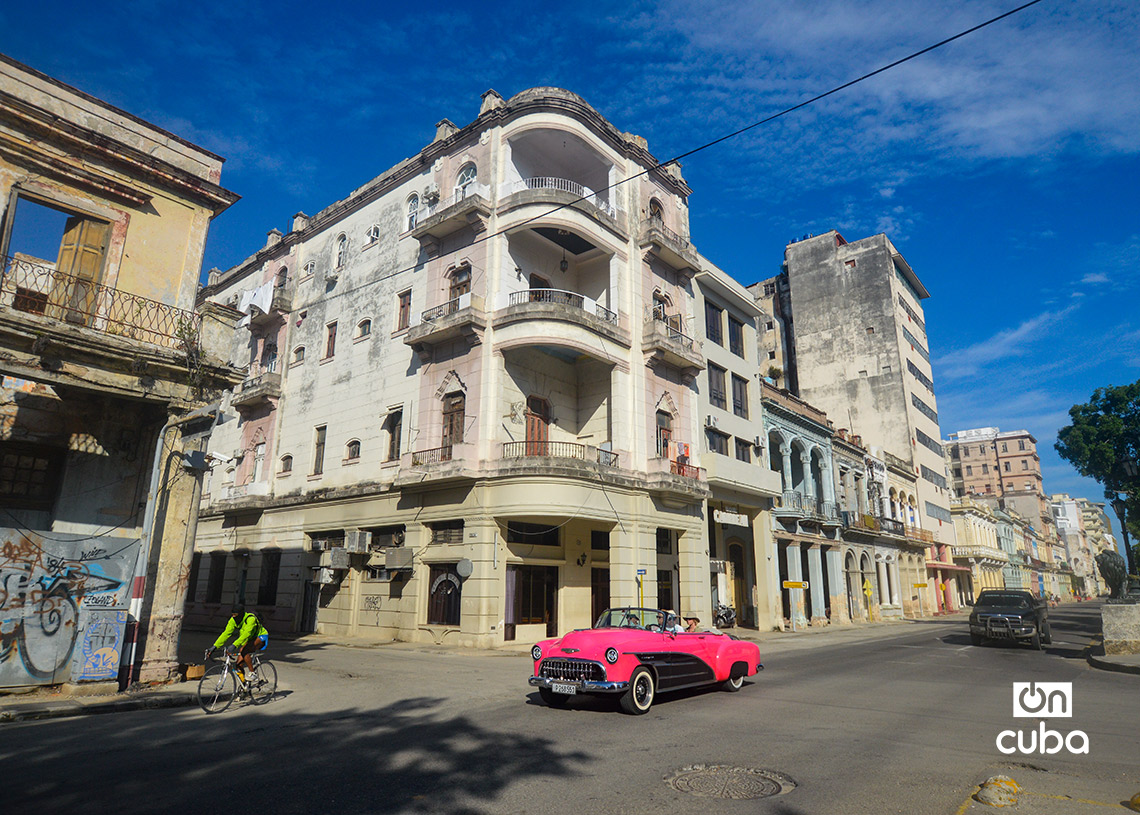
In the last century of the colony, the street experienced growth along withhe economic and demographic boom of Havana, with factories, guest houses and recreational spaces. Then, already in 20th century, new buildings replaced many of the old ones, in tune with the modernization that the capital was experiencing. The result was a denser and more monumental urban landscape, with buildings that projected an image of a cosmopolitan city.
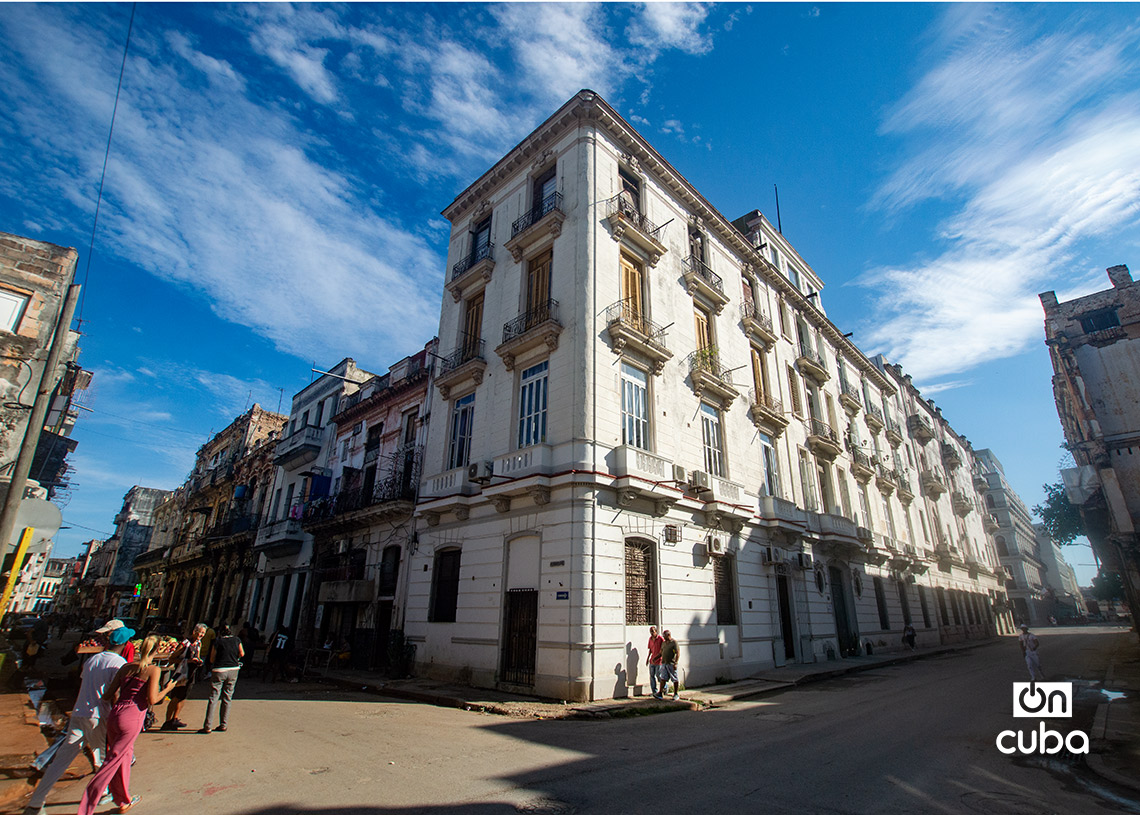
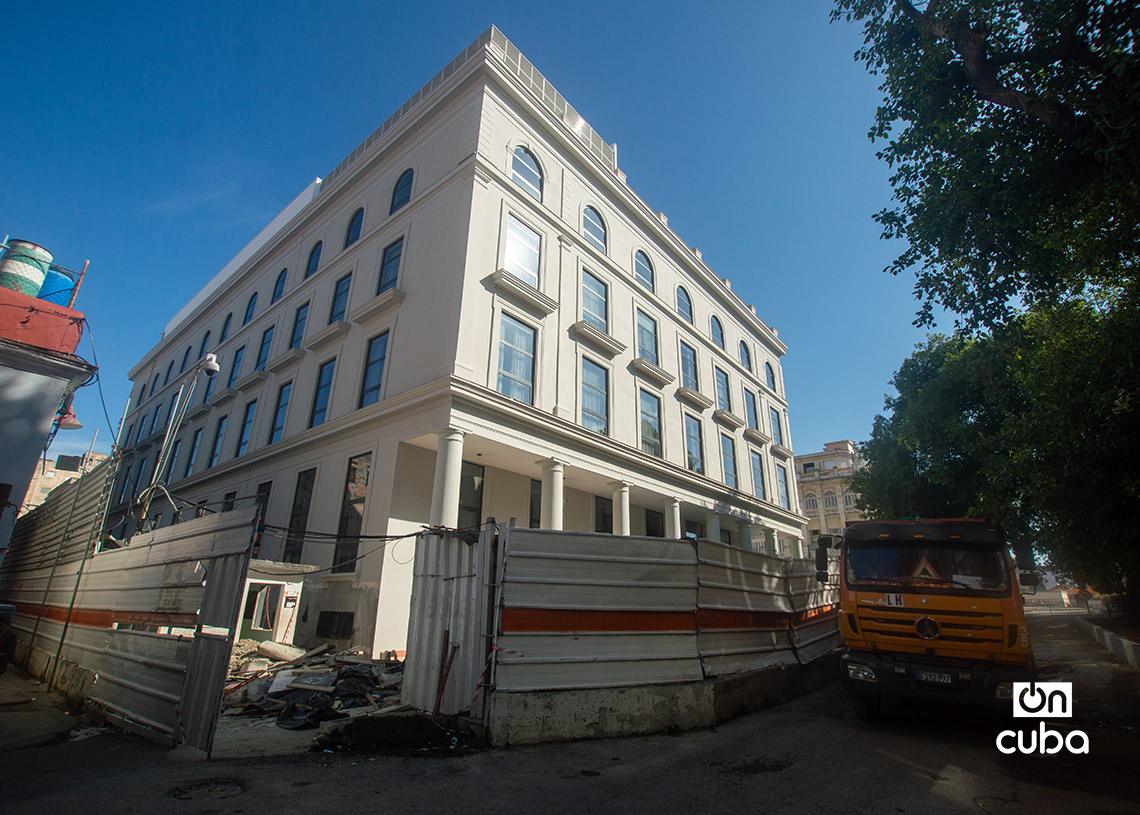
Among the buildings that mark the identity of Colón Street, the former Presidential Palace, now the Museum of the Revolution, stands out, whose eclectic dome became one of the most recognizable silhouettes of the Havana skyline of the 20th century. The presence of this building, next to the monument to the Granma yacht, anchors this road in the official political narrative and in the construction of a historical memory of the nation.
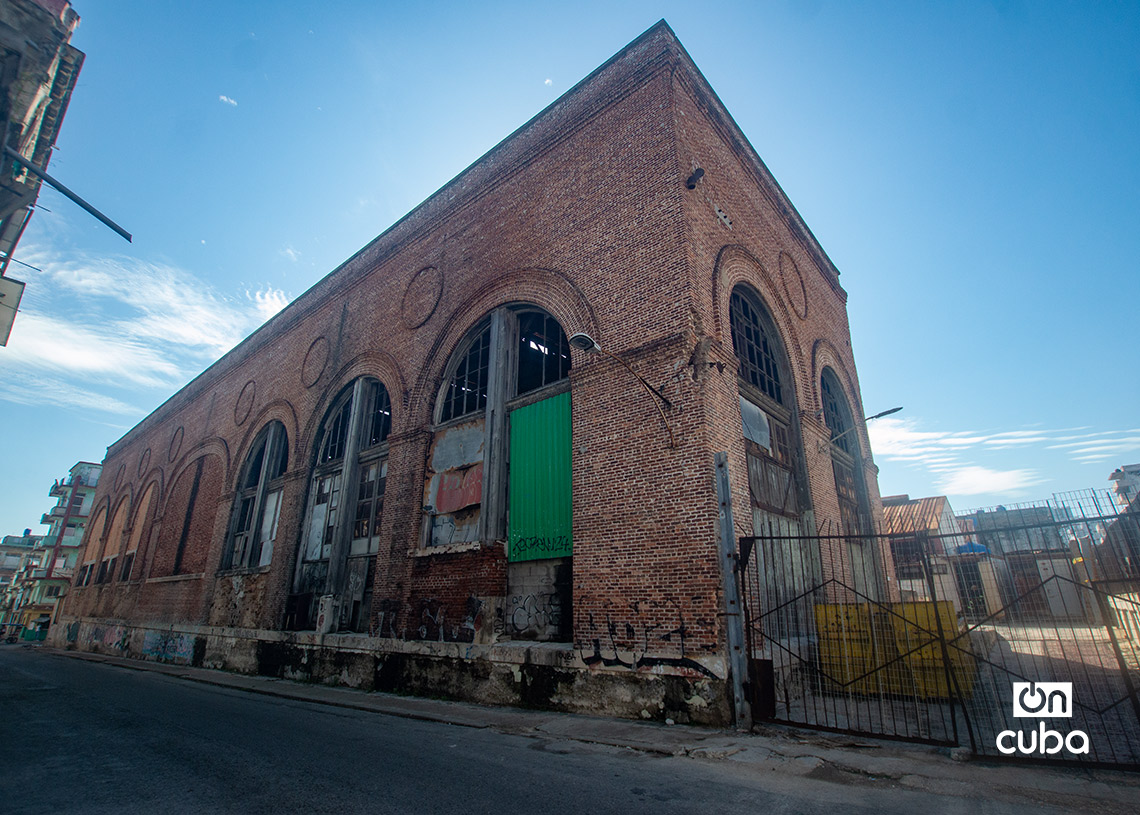
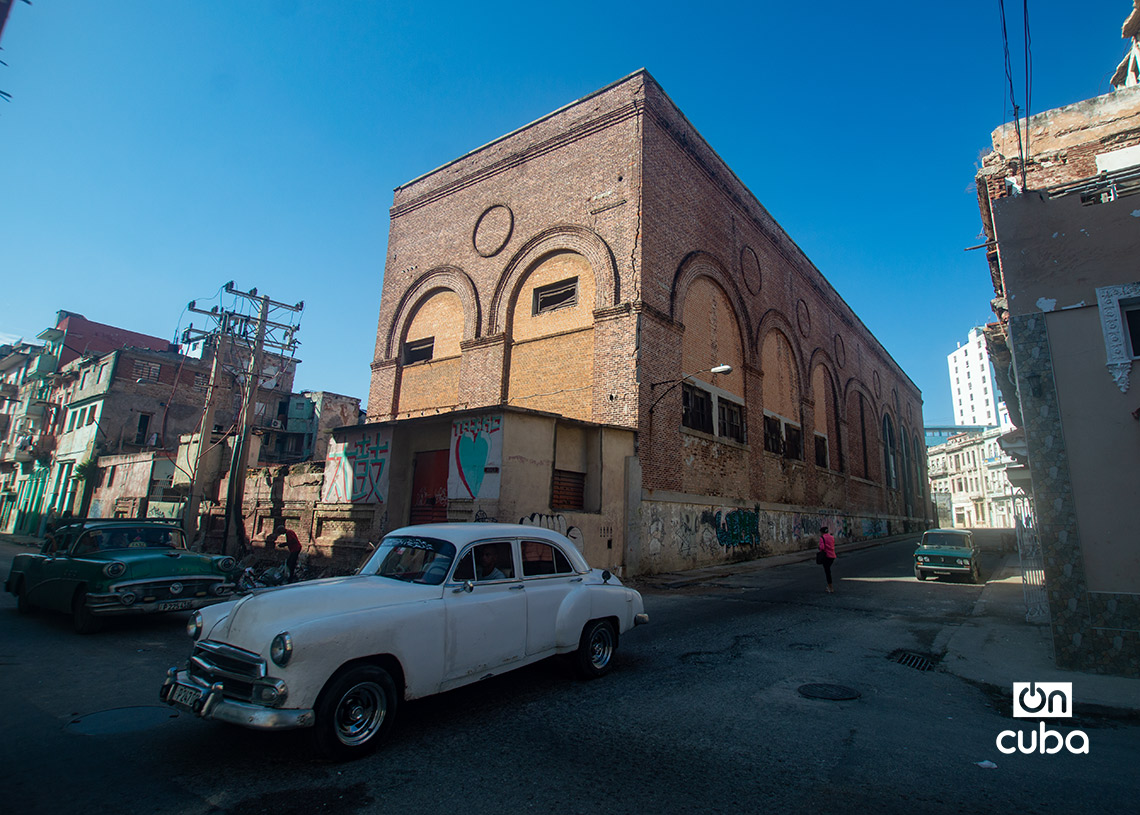
The old La Corona tobacco factory reminds us of the importance of tobacco and cultural life in the development of the area, with its imposing building with continuous portals and windows. Also in that environment, the Regis hotel and the Fausto cinema-theater complete a corridor where leisure, industry and lodging intersected, in a very Havana mix of noise, traffic and nighttime.
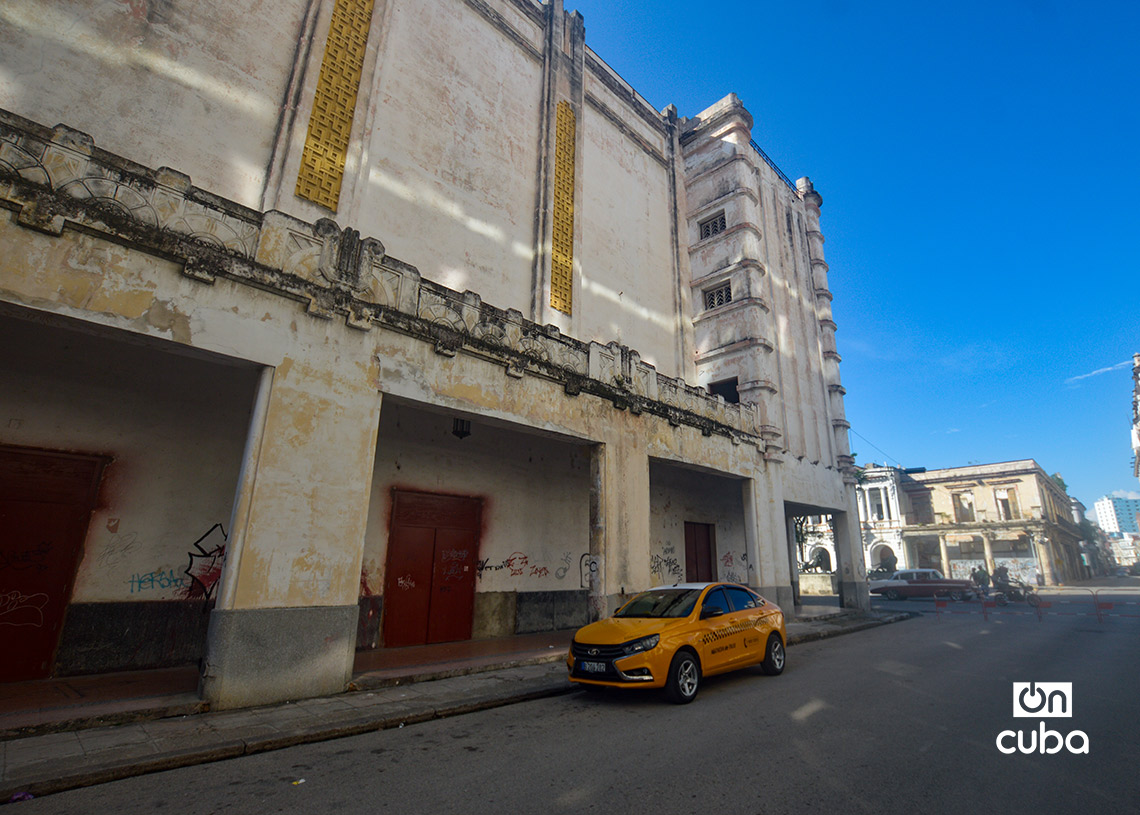
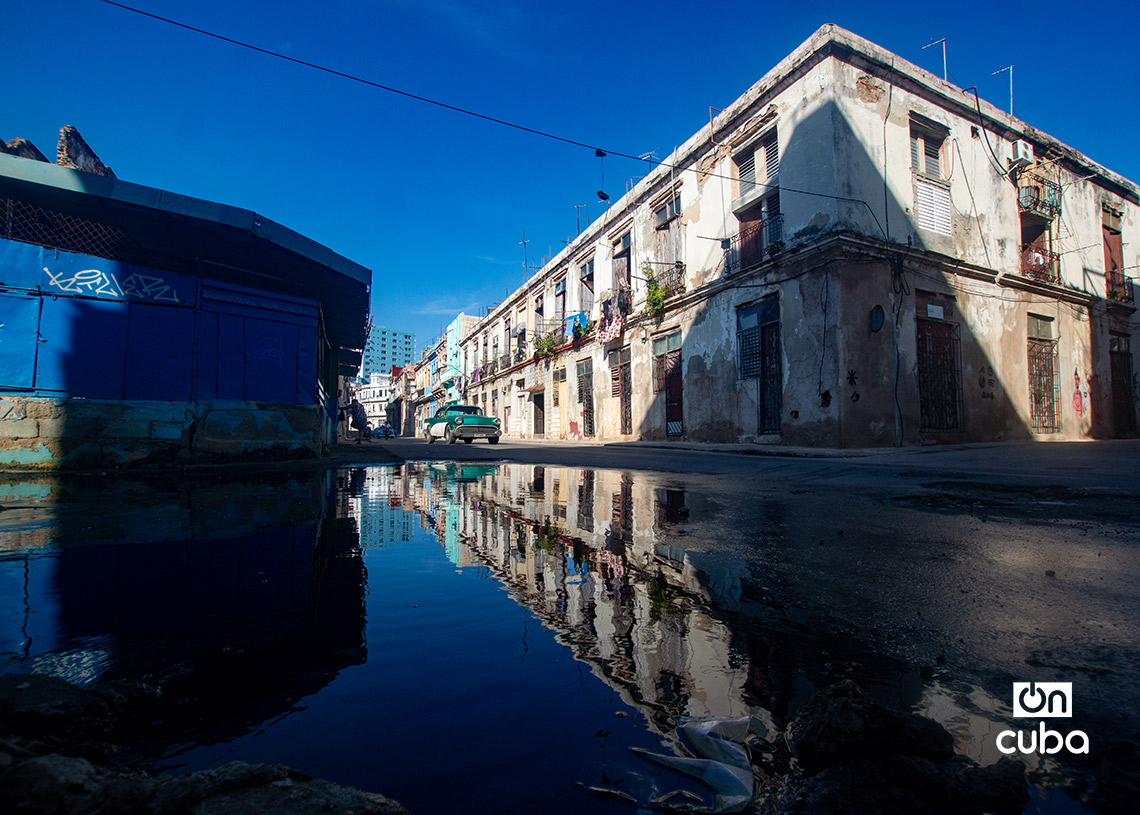
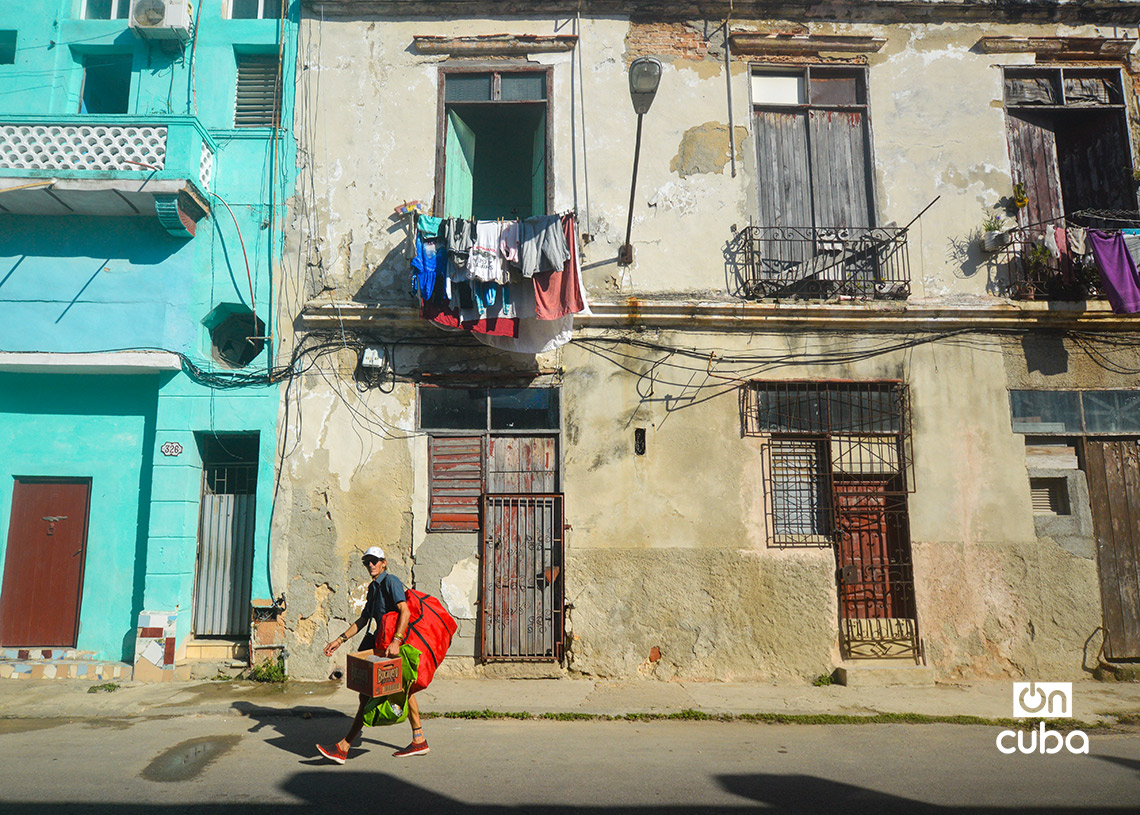
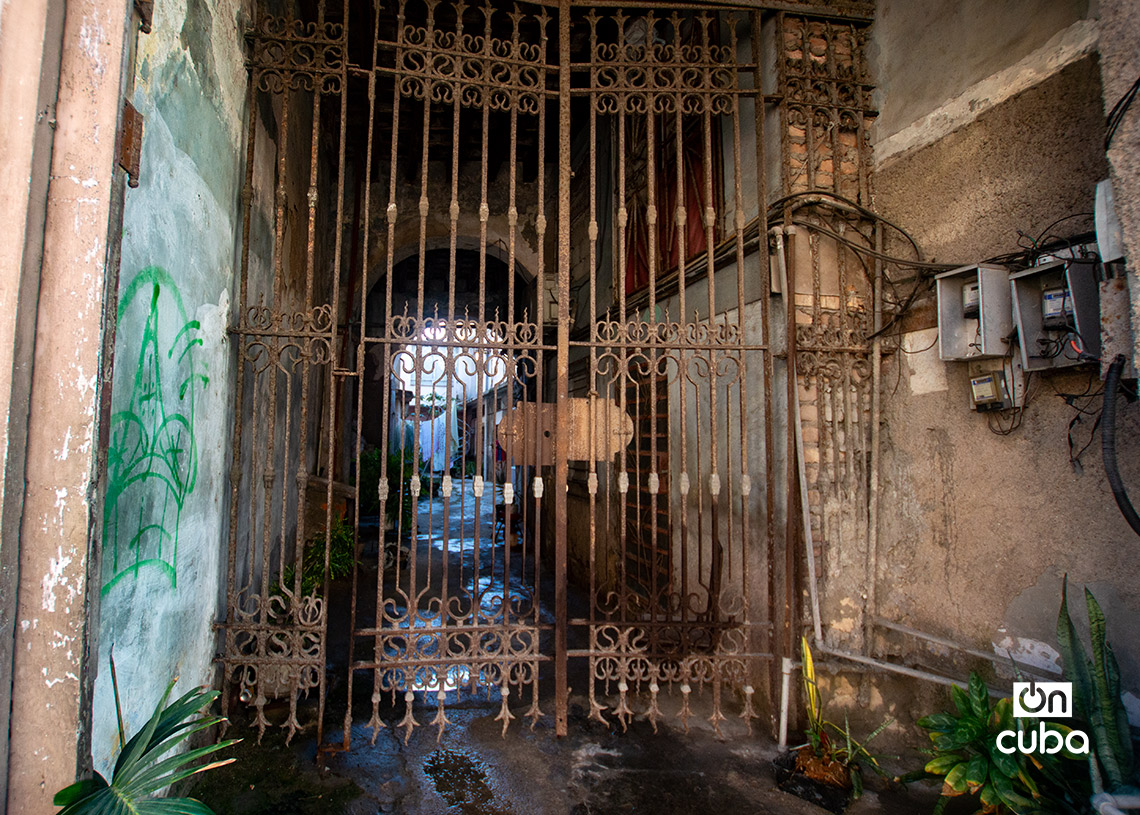
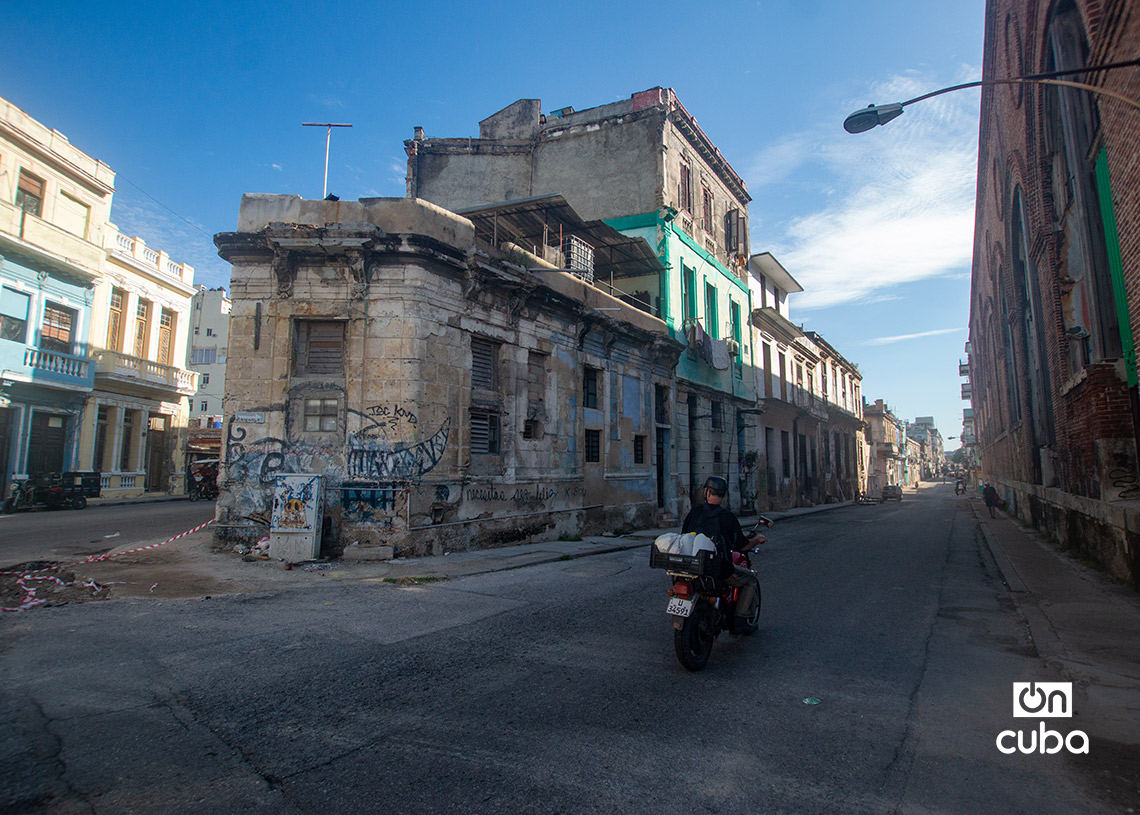
The current economic crisis has hit Colón Street squarely: the physical deterioration of many properties has accelerated, while shortages and inflation have reduced the room for maneuver for institutions and residents. Frequent blackouts, shortages of supplies and the drop in international tourism add pressure on the area, along with the city and the entire country.
In the midst of this scenario, this artery continues to be an axis of passage and memory. Between facades that demand restoration and spaces that seek to reinvent themselves, the street confirms the paradox of a Havana that preserves an exceptional heritage while trying to survive the deep economic crisis, as the images of photojournalist Otmaro Rodríguez show us.