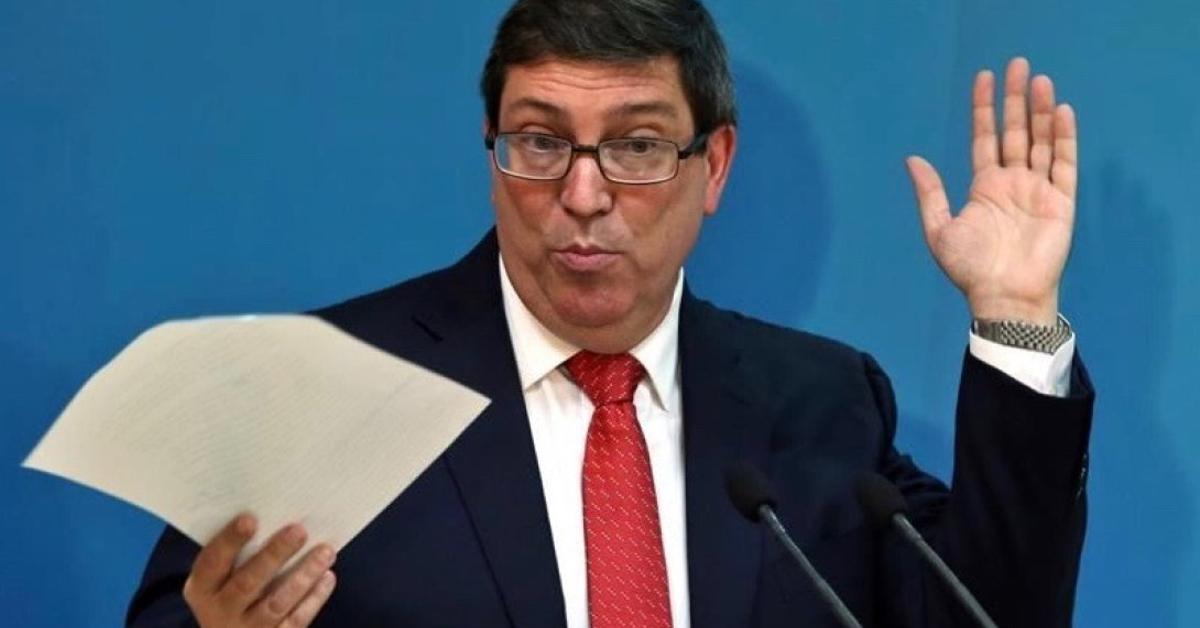
Havana/The rhetoric of confrontation between Havana and Washington rose in tone again this Friday, when the Cuban Foreign Minister, Bruno Rodríguez Parrilla, described the United States Secretary of State, Marco Rubio, as “disastrous”, and accused his Government of “trying to destroy and cause disaster” on the Island. The verbal exchange coincides with a new escalation of regional tensions, marked by the pressure of the Donald Trump Administration against Venezuela and by military movements in the Caribbean and the Eastern Pacific.
In a message published on social networks, Rodríguez maintained that Rubio “is not able to explain why his powerful Government has had to dedicate so many years and mobilize so many resources to try to destroy and cause disaster in a relatively small developing country with little natural wealth, and yet not manage to subdue or subdue it.” The chancellor resorted to epic language, common in Cuban diplomacy, stating that his interlocutor “fears the rebellious and undefeated example” of Cuba and its “unquestionable capacity” to achieve “true independence.”
The statements responded to previous statements by Rubio, who assured that any US Administration would like to see “a radical change” in Cuba and once again described the Island’s Government as “terrorist” and “incompetent.” “It’s a disaster. It’s not just because they are Marxists and terrorists. They are incompetent. They are incompetent people who destroyed that country,” said the head of US diplomacy.
Rodríguez replied that Washington has maintained for more than six decades a policy aimed at “depressing, dismantling and destroying the Cuban economy,” mobilizing its “huge economic and technological power” and its coercive capacity on a global scale. In another message, he accused Rubio of “lying” by stating that Havana does not cooperate with the United States on issues such as combating drug trafficking and terrorism, and assured that US agencies have benefited for years from that bilateral cooperation.
Ships loaded with petroleum products recently left Venezuelan ports escorted by the Navy
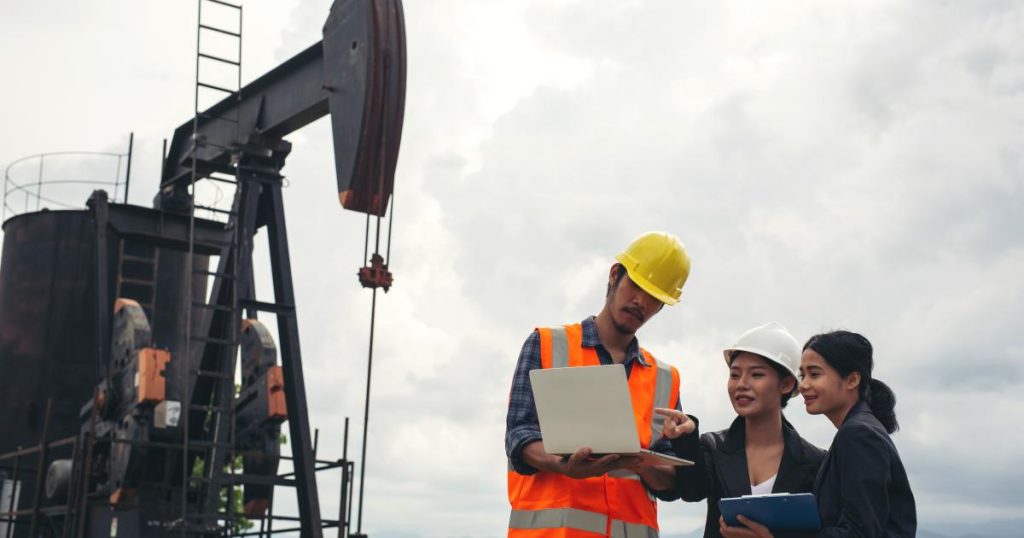
The verbal exchange coincides with the Trump Administration’s broader offensive in Latin America, particularly against Venezuela, one of Cuba’s main political allies. Washington accuses Venezuelan President Nicolás Maduro of leading a drug trafficking network, an accusation that Caracas rejects, and has increased threats against the South American country’s oil sector.
According to reports collected by international media and a summary of the New York Times spread in a Mexican newspaper close to Chavismoships loaded with petroleum products recently left Venezuelan ports escorted by the Bolivarian Navy. The vessels set sail from the José Refining Complex, in Anzoátegui, bound for China, and do not appear on the list of oil tankers sanctioned by the US Treasury Department, which demonstrates the continuity of exports despite the financial blockade.
Trump announced a “total blockade” against the sanctioned oil tankers, but the state-run PDVSA assured that it maintains operational capacity and technical support to maintain the country’s energy sovereignty. The Venezuelan vice president, Delcy Rodríguez, affirmed that the so-called Hydrocarbon Engine “maintains its uninterrupted and sovereign march,” and presented the defense of the sector as a matter of national survival.
“Lethal kinetic” operations left five people dead
The most delicate episode occurred on December 10, when soldiers from the United States Southern Command assaulted the Russian ship Skipperloaded with 1.9 million barrels of Venezuelan crude oil, and transported it to Houston. Trump then commented: “We’ll keep it, I guess.” Caracas requested an urgent meeting of the UN Security Council to denounce what it considers a violation of international law.
In parallel, the Southern Command announced two new attacks against vessels that it accused of transporting drugs in international waters in the eastern Pacific. According to the military command itself, the “lethal kinetic” operations left five people dead. According to counts published by regional media, at least 25 similar attacks have been recorded since September, with more than a hundred deaths.
The Venezuelan response has included worker mobilizations at PDVSA and Pequiven facilities, as well as a call for “national unity” in the face of what Chavismo describes as an attempt to appropriate its natural resources. Maduro stated that the country will close 2025 with GDP growth of 9%, while ECLAC estimated an increase of 6.5%, figures that are difficult to verify independently in a context of statistical opacity.
China and Russia closed ranks with Caracas. Beijing rejected the “unilateral harassment” of the United States and supported the Venezuelan request to the UN, while Moscow warned of the “unpredictable consequences” of unilateral decisions that affect international transportation. Both countries maintain strategic interests in Venezuela: China as the main external creditor and oil partner, and Russia as a military supplier and geopolitical ally.