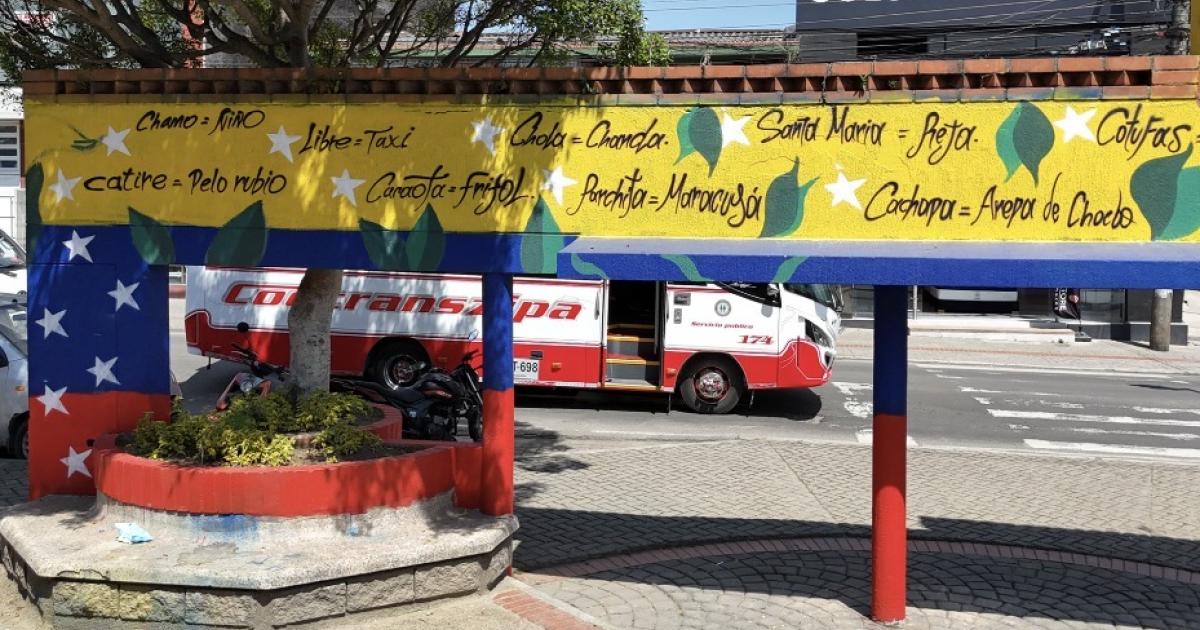
The Venezuelan migrant population, which currently exceeds 2.8 million people in the country.
Courtesy: Danish Refugee Council and Norwegian Refugee Council.
In Bogotá and Zipaquirá, urban art becomes a bridge of integration. On the occasion of International Migrant Day, this December 18, collective murals fill public spaces with color and messages of coexistence, remembering the cultural and social wealth that migration brings to the country.
The initiative is led by DNA Dignitya program of the CUA consortium, made up of Action Against Hunger, the Danish Refugee Council and the Norwegian Refugee Council.
Read also: Bizcocho the little dog that moved Colombia after animal abuse is now part of the Police canine team
“The creation of collective murals allows us to redefine public spaces and transmit messages of solidarity, coexistence and respect. We want to combat prejudice and xenophobia. In previous years we did it with culinary exchanges, and this year urban art will be our tool to commemorate International Migrant Day,” he explains. Carolina Robertocommunications coordinator for ADN Dignidad.
Training Programs
Beyond artistic expression, the program uses culture as a driver of social transformation. Cineforums, co-creation workshops and shared recipes have generated spaces for dialogue and reflection, strengthening integration and coexistence between migrants and local communities.
Migrants in Colombia
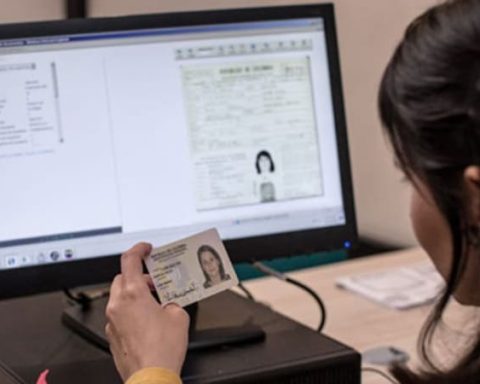
Since arriving in Colombia six years ago, the program has served more than 400,000 peoplebenefited 125,000 homes and trained about 10,000 participants in entrepreneurship, career guidance and financial education. Their work focuses on the Venezuelan migrant population, which currently exceeds 2.8 million of people in the country.
Of this total, more than 2.3 million have their status regularized or in the process of regularization, and 1.1 million They actively participate in the labor market, representing close to 5% of the national workforce.
Migrant testimonies
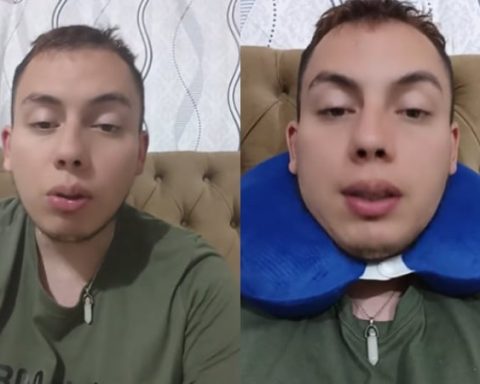
“The most difficult thing to get there, definitely, was leaving, leaving my life, leaving my family (…) I made the decision to leave for obvious reasons, the country’s situation, obviously, the economy, my mother died four years ago,” he said. Friedman Diazfrom the city of Valencia, Carabobo State.
Karla Maria Barrientoswas born in Punto Fijo, Falcón state: “On the thirteenth day of July in the year two thousand and fourteen, I decided to come, and little by little I was heading towards what my life was going to be here, in Bogotá, getting used to the new schedules, this climate, the cold water, sharing a kitchen, sharing a bathroom.”
Rosalba Cadenaoriginally from Venezuela, was born in the state of Apure: “Feeling like that rejection of knowing that you didn’t belong here, when you arrive for the first time, and well, making a new life in another country.”
This year, commemorative murals are being developed at the headquarters of Humanitarian Affairs of the Colombian Red Crossin the town of Los Mártires, Bogotá, and in the Zipaquirá Citizen Service Centerin alliance with the Victims’ Table and the Municipal Mayor’s Office.
Source: Integrated Information System