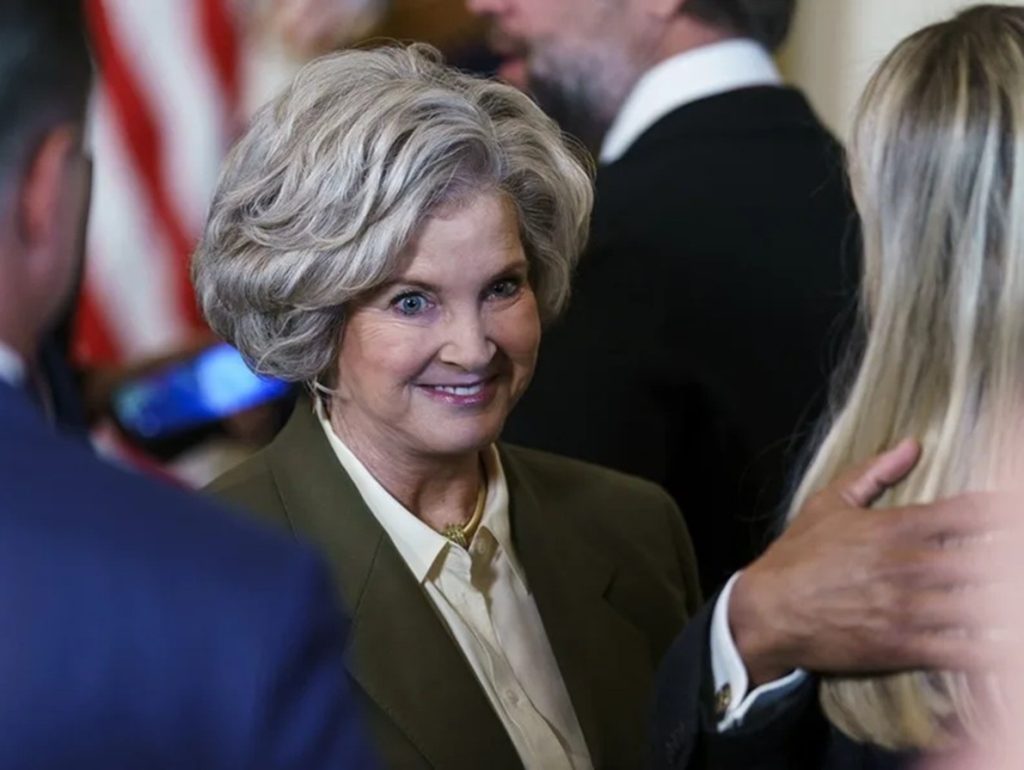
Havana/After several days of information vacuum, the authorities updated this Wednesday the numbers of deaths and infections due to the dengue and chikungunya epidemic that is ravaging Cuba. From the program Good Morning Magazinefrom Canal Caribe, the Vice Minister of Public Health, Carilda Peña, who already has a segment to talk about “confronting these arboviruses,” reported five more deaths, most of them under 18 years of age.
To cushion the blow, the official began her message by saying that “yesterday we consider to be favorable and indicates that we are closer to the stability and control of this phenomenon.” However, he then moved on to the cold numbers. He indicated that, so far, of the total number of deaths (52), 34 died from “complications associated with chikungunya,” while the rest died from dengue.
He stated that there are still 12 patients in “critical condition” –almost all minors–, 24 “serious”, although he noted that in recent days six people left the intensive care rooms.
It also reported that in the country there are 2,049 new cases of “non-specific febrile syndrome”, the first common symptom of both arboviruses.
It also reported that in the country there are 2,049 new cases of “nonspecific febrile syndrome”, the first common symptom of both arboviruses, of which the majority are also children and adolescents. Of them, 539 are chikungunya, although only 22 were confirmed by PCR, for a total of 47,003 infections due to this disease.
Although he said that the numbers indicate a sustained decline in the outbreak, with around 20% fewer casesHolguín and Las Tunas present an increase in infections, something that was attributed to the meteorological phenomena in the region. Regarding a possible end to the outbreak, he pointed out that there will still be active outbreaks on the Island in January, since the viruses are present in the 15 provinces and on the Isle of Youth.
The official gave a brief review of the oropouche, and assured that since September 26, no new patients have been detected.
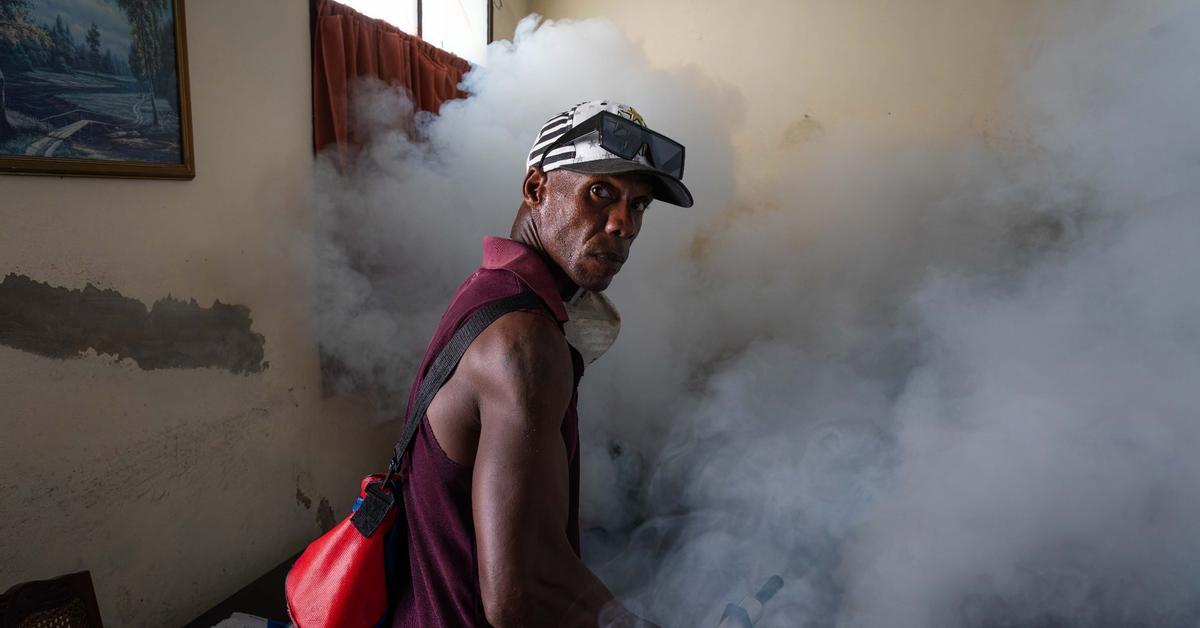
Regarding fumigation, he explained that on Tuesday not all of what was planned could be carried out due to the rains in some parts of the country, so only 89% of the original plan was carried out.
The Cuban Government recognized for the first time on November 12 that the country was suffering from an epidemic of chikungunya and dengue, despite the fact that the first cases were diagnosed in July and it was more than evident starting in September, when infections skyrocketed throughout the country.
The epidemic has found fertile ground in Cuba to spread due to the country’s serious economic crisis, which limits the capacity for prevention –mainly through massive fumigation against mosquitoes–, control –with test to confirm the type of disease – and care for the sick, due to lack of medicines and other health supplies. Due to these shortages, many families must obtain basic medical supplies on their own, while others have had to choose to keep the sick in their homes due to the precariousness of the health centers.
For this reason, the numbers of infected people are only underreported – recognized by the authorities themselves – because many patients do not go to medical centers, mainly due to the deterioration of public services on the Island.
Faced with this reality, activists and health professionals have begun to compile independent counts of deaths from arboviruses, compiling cases that never appear in official reports. For example, on December 2, the Cuban Conflict Observatory published in its most recent reportthat, until then, there were 87 deaths from dengue and chikungunya, well above the 52 that, until now, the Ministry of Public Health has notified.
Some data have also been aired from international bodies. The Pan American Health Organization (PAHO), which collects official Cuban figures, indicated last week that, from the beginning of the year and until the end of November, the number of total infections so far in 2025 due to this disease in Cuba amounted to 25,995.
In an assessment at the beginning of November, the country reflected a cumulative incidence of 183.43 cases per 100,000 inhabitants
Furthermore, the same PAHO revealed that, in just one month, the rate of chikungunya infections decreased doubled in Cuba. In an assessment at the beginning of November, the country reflected a cumulative incidence of 183.43 cases per 100,000 inhabitants, the highest in all of America this year. For the first week of December, the count amounted to 350.57, 91% more.
Against this backdrop, with a country in the middle of the “epidemic phase,” the authorities have begun to act and reported this Wednesday the progress of studies of the drug Jusvinza in patients with chikungunya. “In Havana, the study is being carried out in the post-acute stage of the disease, where we are evaluating the safety and therapeutic effect of Jusvinza in patients with joint symptoms, post-chikungunya,” explained Julio Baldomero Hernández, director of Clinical Research at the Center for Genetic Engineering and Biotechnology (CIGB), during a meeting of experts and scientists in the capital.
The doctor explained that 174 patients were included and noted that the study has “good expectations, with adequate adherence to the protocol and good acceptability by patients. There is a safety profile also demonstrated in the use of the medication.”