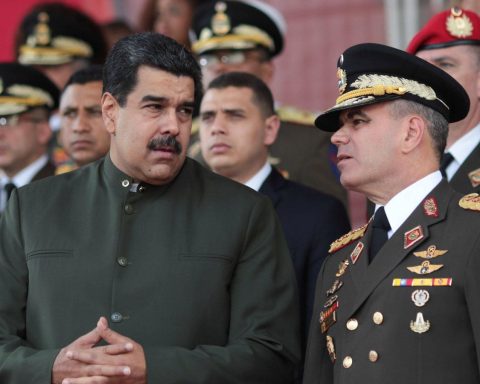
The President of the Republic, Nicolás Maduro, questioned this Monday the electoral result in Chile after the victory of the candidate José Antonio Kast, stating that the South American country now faces the challenge of having a Nazi president.
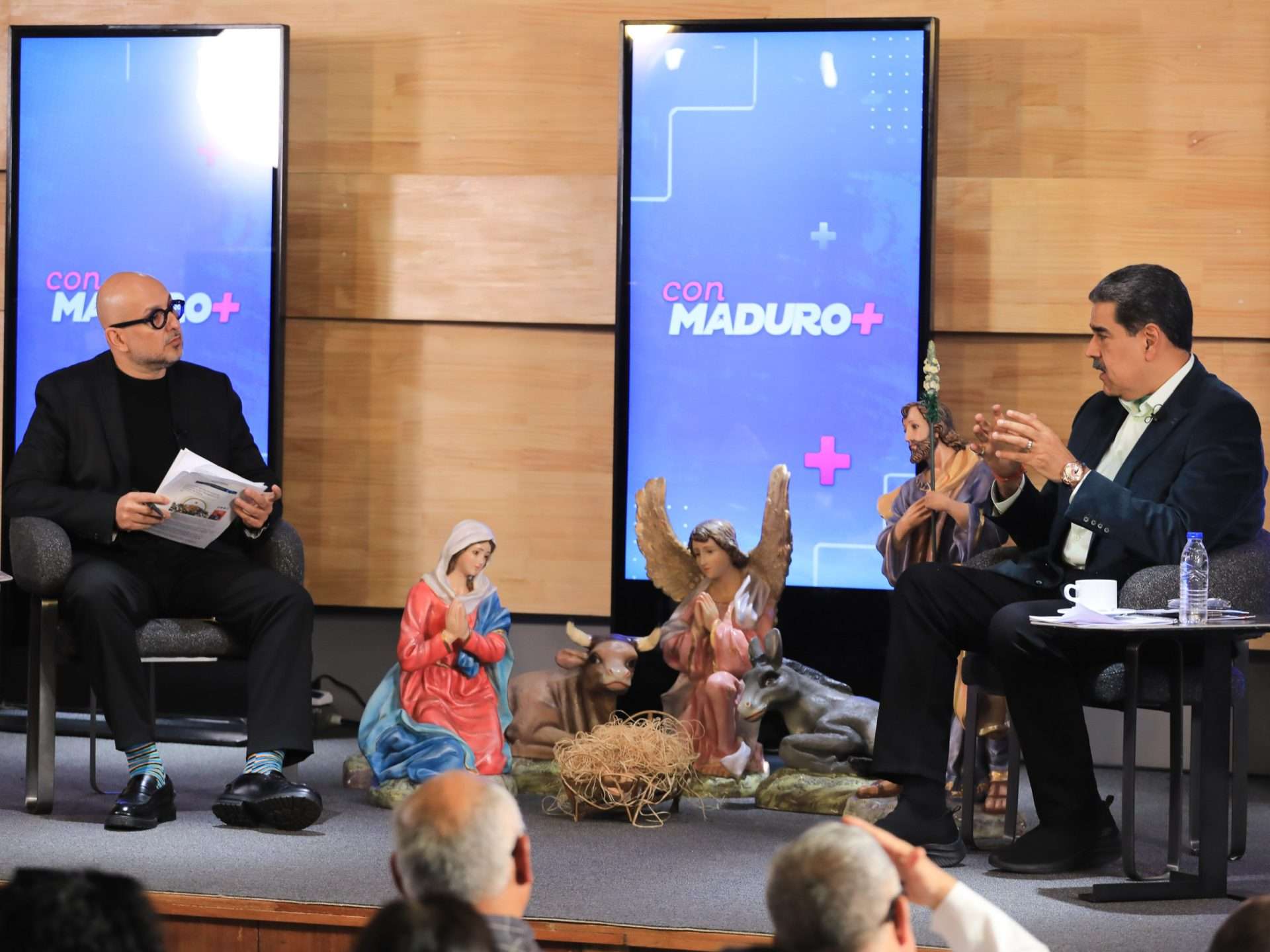
The statements were offered during the 99th edition of the program With Maduro+ where he attributed Kast’s rise to the erosion of the government of President Gabriel Boric, whom he blamed for having generated the political conditions for the turn to the right. “Mr. Boric’s so-called progressive process created the conditions for a Nazi to be in the La Moneda Palace in Chile today,” he said.
The president also addressed a direct message to the Chilean president-elect, warning about the treatment of the Venezuelan migrant community. “I tell Mr. Kast clearly: be careful and you are hurting Venezuelans. Venezuelan migration has rights, and the Chilean Constitution must guarantee them,” he stated.
Maduro criticizes Chilean progressivism and warns about the new government
During his intervention, Maduro insisted that the so-called Chilean progressivism paved the way for the return of the most radical right. “Progressivism placed the crossing light to end on the path to the right,” he noted.
The president also addressed Venezuelan citizens residing in Chile, whom he invited to return to the country. “To the Venezuelans who are in Chile, with humility I tell them to return to their homeland, they are counting on us,” he expressed.
He reiterated his usual warning against external aggression: “He who messes with Venezuela will dry up!”
Victory of Pinochetism
José Antonio Kast won the presidential elections in Chile this Sunday, in a process marked by high political polarization. His victory represents a shift to the right compared to the administration of Gabriel Boric, who came to power on a progressive platform.
The election generated diverse reactions in the region, especially due to Kast’s conservative positions on immigration, security and foreign policy issues, as well as the historical comparisons that have arisen around his figure within the Chilean political debate.