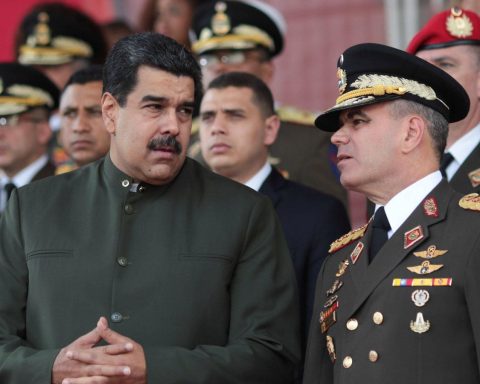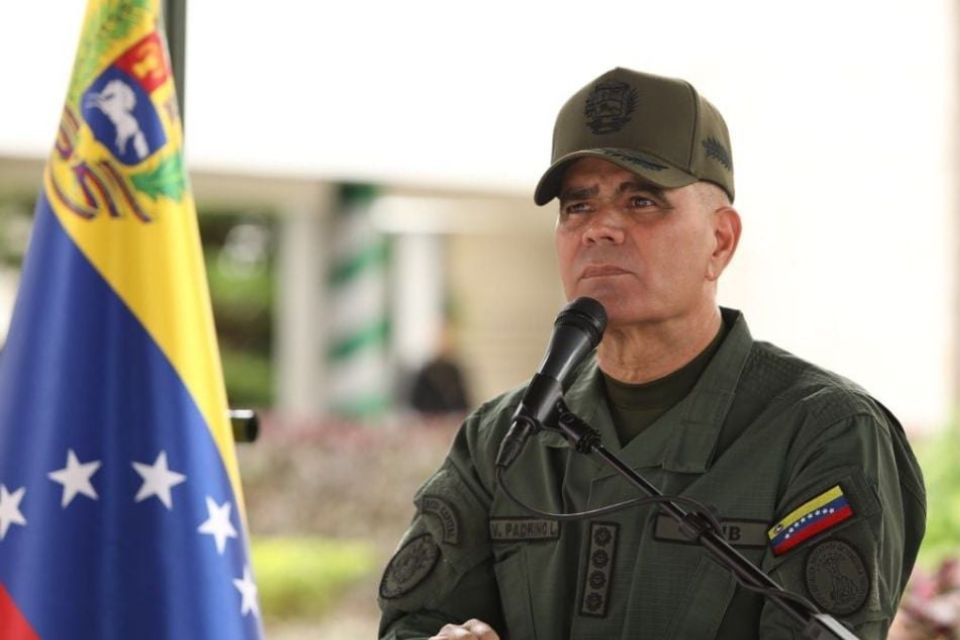
Padrino López highlighted the role of the Comprehensive Aerospace Defense Command (CODAI), which he pointed out as a “vanguard in the comprehensive defense of the nation,” thanks to the use of radars, missile systems, anti-aircraft artillery and aircraft.
The Minister of Defense, Vladimir Padrino López, stated this Sunday, December 14, that Venezuela has strengthened the operational autonomy of the Integrated Airspace Surveillance and Control System, in a context of growing tensions with the United States, a country that maintains a military deployment in the Caribbean under the argument of combating drug trafficking.
In a statement published on his Instagram account, Padrino López assured that the Bolivarian National Armed Forces (FAN) has reached “an admirable level of technological independence,” despite what he described as a “criminal economic blockade,” international sanctions and a “warlike escalation” by Washington.
According to the minister, these circumstances have not weakened the military institution, but rather have promoted the creation of its own means and the strengthening of national defensive power. “Far from being intimidating, these hostile circumstances have enhanced operational autonomy,” he said.
Padrino López highlighted the role of the Comprehensive Aerospace Defense Command (CODAI), which he pointed out as a “vanguard in the comprehensive defense of the nation”, thanks to the use of radars, missile systems, anti-aircraft artillery and aircraft, in coordination with the Bolivarian Military Aviation.
The statements come days after the minister denounced an alleged act of intimidation by the United States, following the overflight of F-18 fighter jets in the Gulf of Venezuela last Tuesday, December 9, according to records from the Flightradar24 monitoring system.
During an event for the 47th anniversary of CODAI, broadcast by Venezolana de Televisión (VTV), Padrino López assured that these types of actions will not break either the FAN or the Venezuelan people. “We have the capacity to react and defend our airspace,” he stated, while rejecting what he described as “psychological operations.”
*Journalism in Venezuela is carried out in a hostile environment for the press with dozens of legal instruments in place to punish the word, especially the laws “against hate”, “against fascism” and “against the blockade.” This content was written taking into consideration the threats and limits that, consequently, have been imposed on the dissemination of information from within the country.
Post Views: 28