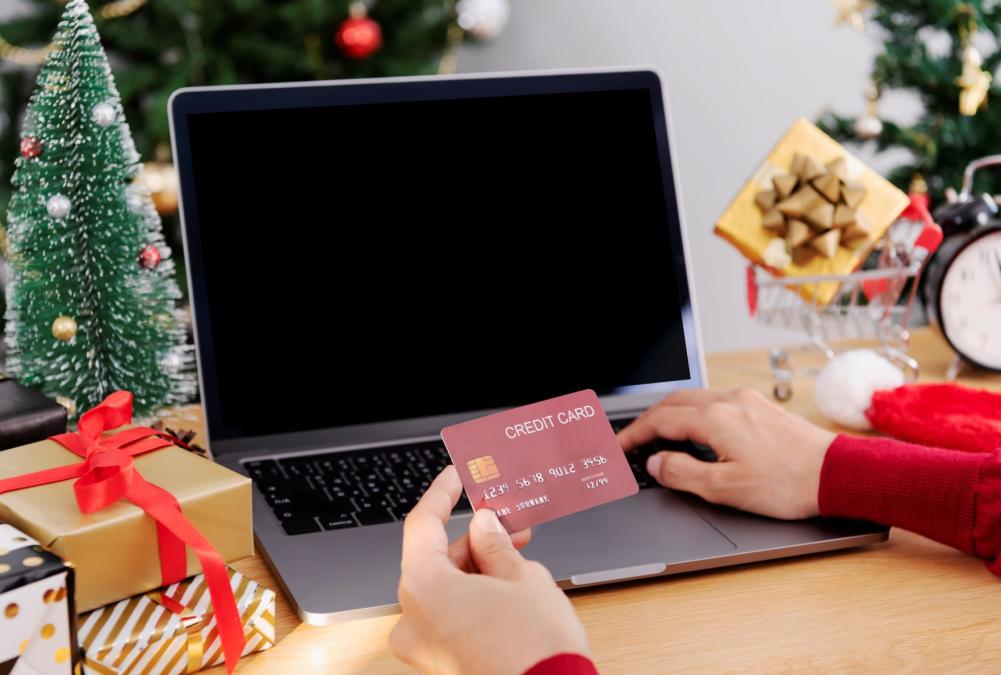
December is a month related to sharing, but also spending and scams. And the fact is that, as a result of the higher income that people have from gratificationthey become more vulnerable to criminals.
For this reason, the BCP Fraud Prevention Education leader, Luis Chávez, stated that the most common thing at this time of year are false offers.
“We all want to save a few dollars on tickets, toys or clothes. But these offers are precisely the ones where we should stop for a while and think if they will be real,” he commented. To determine the veracity, he indicated that the first thing is to analyze if these promotions come from an official site.
In addition, he recommended being careful with cloned pages of well-known brands, as well as application downloads, and fake links from sellers.
“We must see that it is published by the official profile of the page, make sure that it has the verification check and that the name matches the brand. If it takes you to a website, check the address and confirm that it is the official page of the company,” he commented.
For his part, the dean of the Faculty of Engineering at the Universidad Privada del Norte, Giancarlo Flores, also recommended that if you buy on platforms such as Marketplace, validate the seller’s history and the comments of other users, since profiles without interaction are usually a red flag.
“If you use digital wallets, make sure that the name that appears when scanning the QR matches the company name of the official business. If the money goes to an unknown personal account, stop the operation,” he added.
An important point is that sensitive data such as passwords, card numbers or SMS codes are not shared through chats or direct messages.