There are no magic solutions for electricity generation in Cuba.
Even with the recent synchronization of several of the thermoelectric units undergoing repairs days ago, the blackouts will continue to severely punish Cubans today.
The last of the blocks to join was I rented 6 this Thursdayso there are now only five units disconnected, out of the ten that there were just a few days ago.
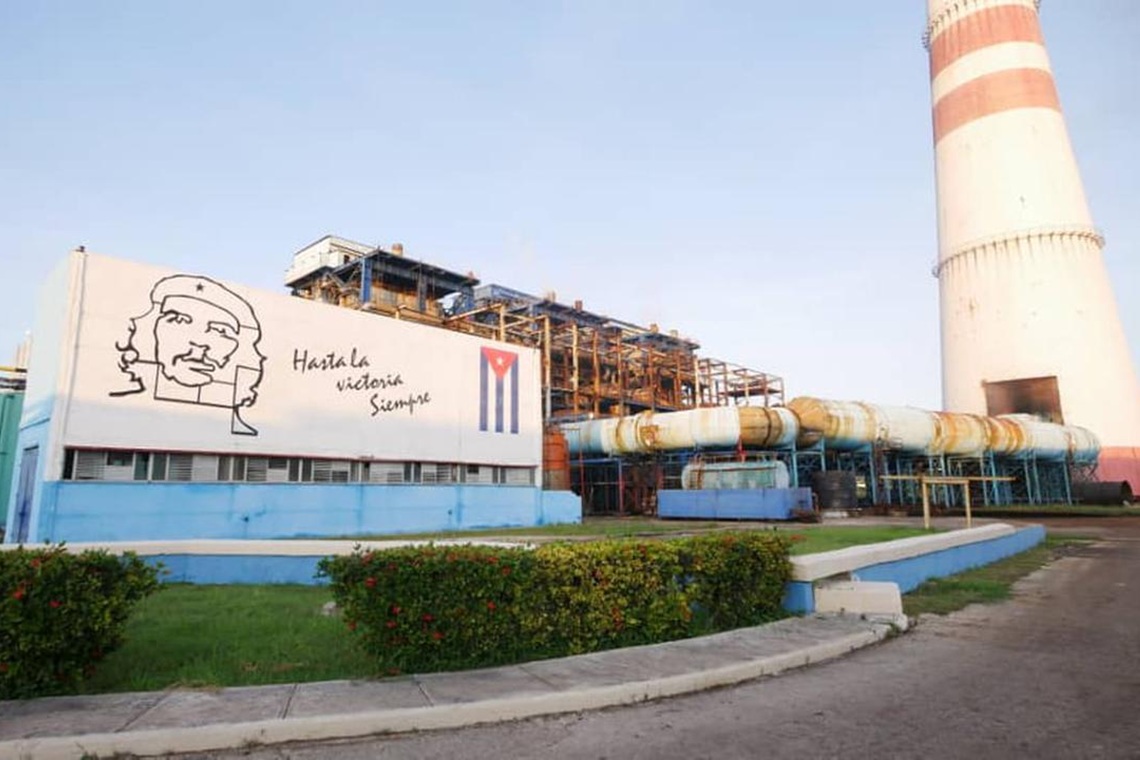
Those that remain without generating are Mariel 5, due to breakdowns, along with two units from Santa Cruz and 4 from Cienfuegos. All of them must be incorporated before the end of the year, according to the projections of the directors of the energy sector on the island.
The fifth block is Felton 2, damaged by a fire more than three years ago, and in which repair work is taking place at a different pace, although the authorities assure that it must be recovered in the long term.
Beyond this scenario, what does not subside is the lack of fuel, which continues to be around 1000 MW, while the limitations of the plants in operation remain very high. This Friday there are 568 MW out of service for this reason, according to the Electrical Union (UNE).
Today’s blackouts
After another early morning of blackouts, the impact at dawn today was 598 MW, while at noon the official forecast is 900 MW. These are lower records than those of previous days, when during those times it reached close to 1,500 MW.
At night that figure will increase to 1770 MW, similar to that recorded in yesterday’s night peak (1748 MW).
The reason for the increase is that while demand must rise in that hourly range to 3,300 MW according to the UNE, availability will remain unchanged with respect to what existed at dawn (1,560 MW), already without the contribution at that time from the new photovoltaic solar parks.
For the night, none of the disconnected thermal units are expected to enter, nor will the 99 distributed generation plants stopped without fuel.
If the effects of this cause are added to those of the lack of lubricants, then the number of MW that the motor batteries distributed throughout the island will stop producing amounts to 1,002.
All of this, as part of an energy crisis that has been going on for several years and that has suffered a significant worsening in 2025. And if for next year The authorities have estimated a “slightly better” outlookhave made it clear that the electrical situation will continue to be “difficult” and the blackouts will continue.