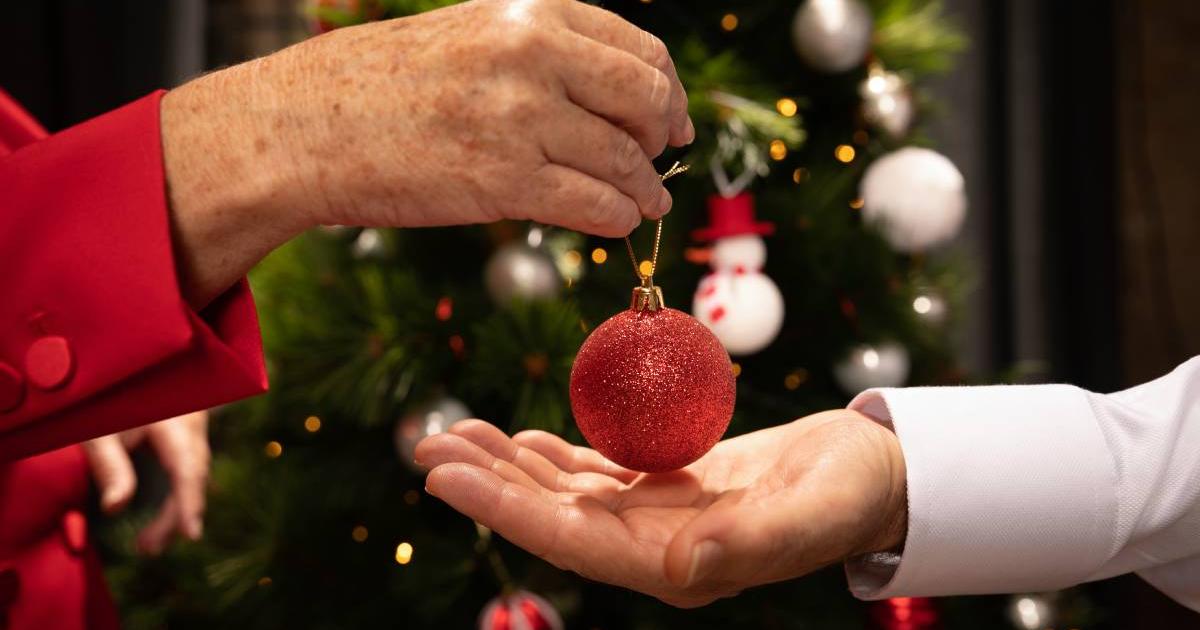
Christmas, every December 24, mixes history and traditions; It is more than the birth of Jesus, with customs that are still celebrated.
Christmas is one of the most important celebrations in the world, marked in Colombia by lights, gifts, family gatherings and nativity scenes. However, its historical and cultural origin is more complex than many believe.
The origin of the date
There is no clear evidence in the New Testament about the exact date of Jesus’ birth. Some historians suggest that it could have occurred in spring or autumn, based on the activity of shepherds with their flocks. Even so, December 25 was adopted as the official date in 221 AD, spread by Sextus Julius Africanus.
Pagan roots: Saturnalia and the solstice
Before Christianization, the Romans They celebrated Saturnalia, a festival in honor of Saturn, god of the sun, agriculture and fire. The holiday coincided with the winter solstice, marking the return of longer days and the rebirth of light. During this celebration, banquets, rituals and the exchange of gifts were held. The early Christians adopted the date of December 25 to replace these pagan festivals with the birth of Jesus, adapting traditions without eliminating their cultural essence.
You might be interested in: Bogotá shines with the Christmas Route 2025, the best places to enjoy with the family this season.
Santa Claus and the origins of gifts
The character of Santa Claus It has roots dating back to Nimrod, an ancient god related to Saturn, and Saint Nicholas, known as “Merry Nick” or “Old Nick.” Historically, gifts were given to children and poor people during Saturnalia, a custom that was later incorporated into the modern christmasdisconnected from its original religious meaning. The Three Wise Men, who offered gold, incense and myrrh to the baby Jesus, represent the original intention of making offerings to Christ, something that today is diluted in the tradition of exchanging gifts.
Influence of other cultures
In addition to Rome, Other civilizations had solar and fire deities, such as Vulcan in Egypt, Cronus in Greece or Tammuz in Babylon. These cultures also They linked sacrifices, rituals and offerings to children with the celebration of the solstice and the fertility of the land. Over time, Christmas absorbed elements of these practices, becoming a family and cultural holiday rather than a strictly religious one.
Read also: Paranormal phenomenon in the sky of Bogotá? This is what was really seen
Christmas today in Colombia
Currently, Christmas in Colombia mixes religion, culture and entertainment. Although many celebrate the birth of Jesus, the time is also characterized by lights, family dinners, festivals, music and gift exchange, reflecting the historical and social heritage of the festival.
Although it is traditionally associated with Christian faith, Christmas It has a pagan and cultural origin that has evolved over the centuries. The current celebration combines ancient rituals, religious traditions and modern customs, reminding us that many of the practices we enjoy today have roots much older than we imagine.