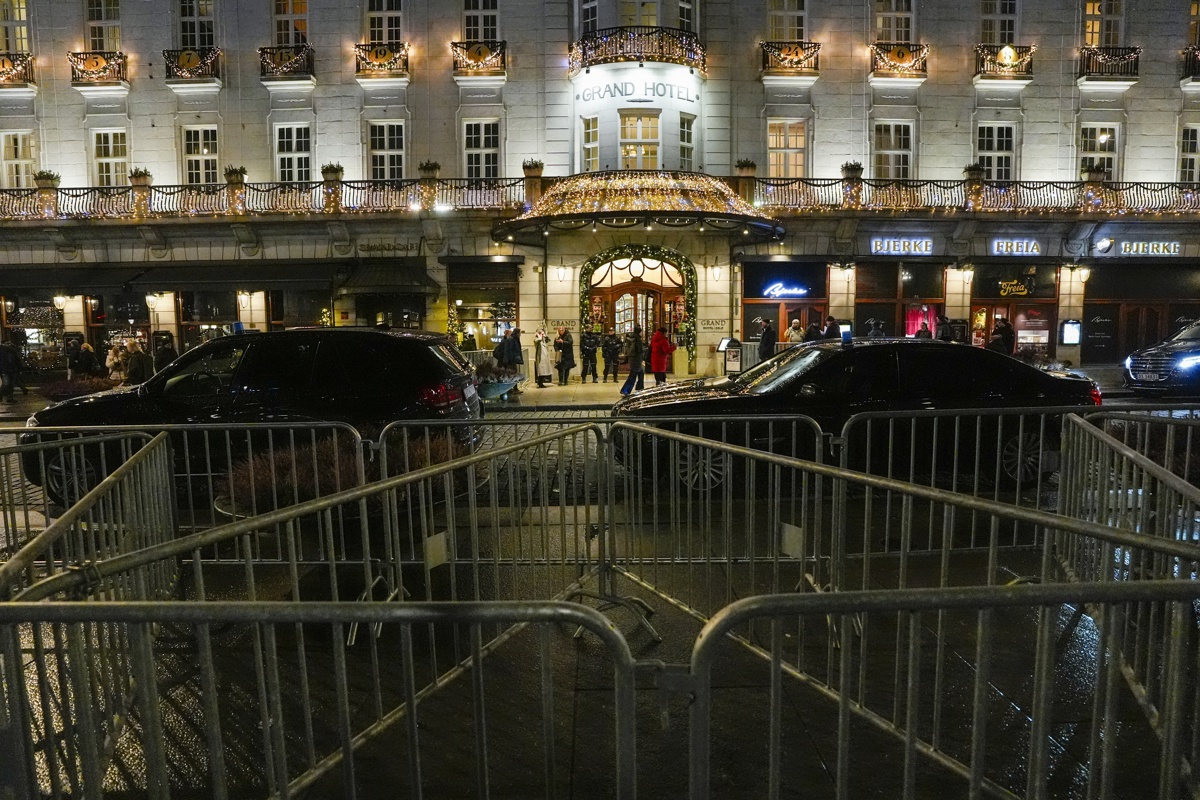
The context in which the Nobel Peace Prize was announced to María Corina Machado considerably intensified its geopolitical relevance. María Corina Machado received the news while hiding inside Venezuela. This situation has continued since February 2025, within the framework of a campaign of state repression.
The escalation of repression also forced the exile of Edmundo González Urrutia, the unified electoral figure of the opposition, who is in Spain. The award acts, in this context, as a litmus test of the Nicolás Maduro regime’s willingness to face widespread international condemnation.
Scenario 1: confirmation of the dictatorship
The award generates two high-risk scenarios that the official leadership must evaluate. The first scenario is that the regime decides to prevent María Corina Machado from attending Oslo, prohibiting her departure for the December 10 ceremony. A more drastic action would be his arrest before the scheduled date.
If any of these actions occur, it would automatically confirm the “dictatorship” label that has been indirectly imposed by the Nobel Committee. This would reinforce existing global condemnations and could intensify international sanctions.
There is a historical precedent that serves as a warning: Aung San Suu Kyi in Myanmar. She won the award in the late 1990s while incarcerated and unable to come out to receive the award in person. The creation of a new “empty chair” precedent in Oslo would become the ultimate symbol of Venezuelan authoritarian repression.
Scenario 2: The unrivaled global platform
The second scenario, equally risky for the regime, means allowing María Corina Machado to attend the ceremony in Oslo. If allowed to leave, Machado will gain an unrivaled global platform to expose the country’s crisis. His acceptance speech will immediately become the Venezuelan political statement with the greatest global reach in years.
This high-level speech would consolidate the narrative of resistance and reinforce the international demand for respect for the 2024 electoral results. The possible attendance of María Corina Machado on December 10 therefore becomes a high-voltage diplomatic negotiation.
Analysts point out that the political cost of repression, symbolized by the “empty chair,” could be greater for the regime. This cost could exceed that of allowing María Corina Machado a brief window of global legitimation of her leadership.
Pressure from the international community
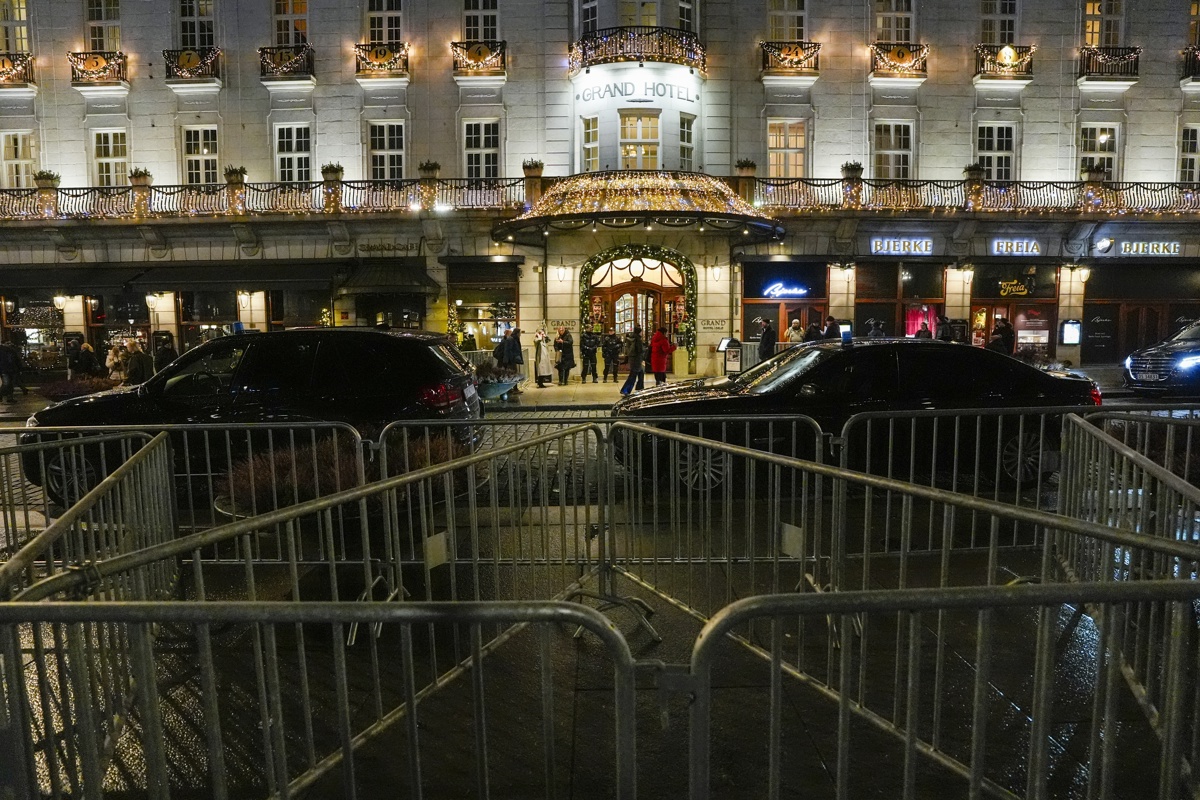
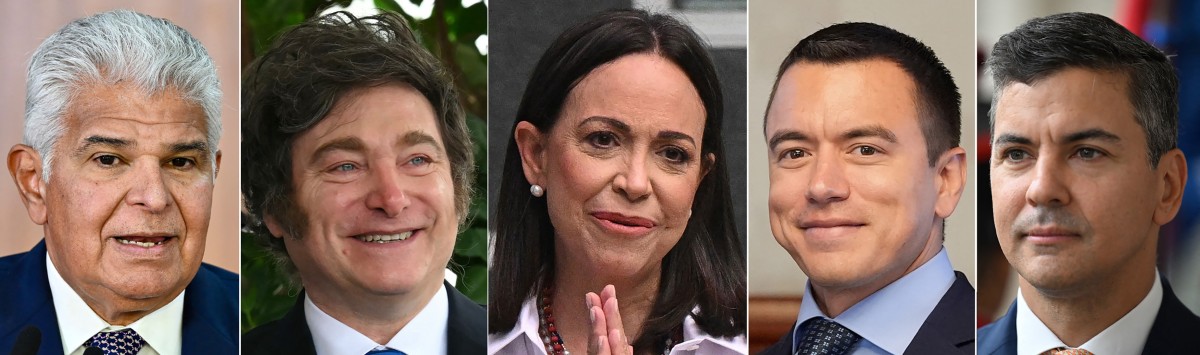
The convergence of Latin American presidents in Oslo to accompany Machado on December 10 transforms the ceremony. The event becomes a powerful event of multilateral and diplomatic pressure. This is the clearest manifestation of explicit regional support.
This support seeks to directly influence the Venezuelan political landscape, strengthening the international position of the opposition. The threat of the “empty chair” remains the most powerful symbol that the regime could generate with its actions. If you are prevented from attending, the absence will serve as graphic testimony of the repression.
This would amplify the Nobel Committee’s message more forcefully than any formal condemnation or diplomatic statement. The outcome of María Corina Machado’s attendance in Oslo will be a defining moment for the Venezuelan conflict.