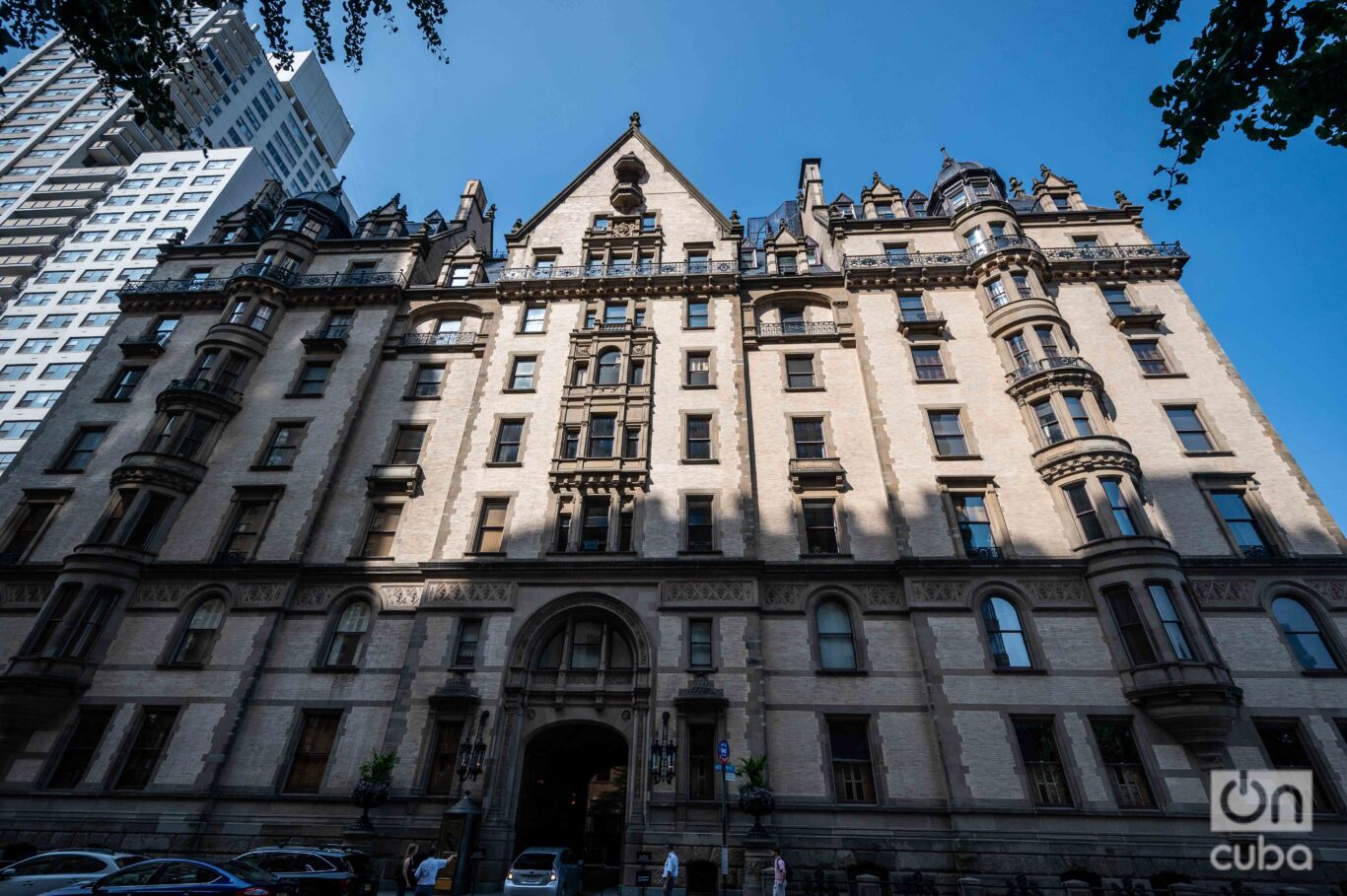
I walked especially to that corner that I had seen so many times in photos and documentaries: 72nd Street and Central Park West, in New York. From afar the gabled roofs of the imposing Dakota stood out, bathed in midday light while everything else was in shadow. Opened in 1884, this apartment building went from being famous for its architecture to becoming a global symbol after John Lennon was murdered at its doors.
I stopped in front of the arch of the building, that medium-rise Gothic-style building. John and Yoko lived there, on the seventh floor. The apartment — about 6,000 square feet — had views of West 72nd Street and Central Park. Lennon was fascinated by New York and, especially, by the location of the Dakota: being right next to the park, close to shops, restaurants and the daily life that the city offers without asking permission. Somehow, that mix of old elegance and urban disorder reminded him of Liverpool.
I didn’t realize it then, but this year 2025 marks 45 years since that cold Monday, December 8, 1980 when, at 10:50 at night, the former beatle He fell mortally wounded just a few meters from the place where I was standing.
I wasn’t there that night—it was two months before he was born—but I sense the feeling that must have been felt in the city: something in the world stopped ringing forever.
That day had been long and bright for Lennon. In the morning, photographer Annie Leibovitz photographed him hugging Yoko, naked, in an image that would later become iconic. In the afternoon he gave his last interview and, late at night, they both went to the Record Plant studios to mix “Walking on Thin Ice.” It wasn’t an extraordinary day, but it had that discreet glow that involuntary farewells usually have.
At five in the afternoon, as they left the Dakota heading to the studio, a silent young man was waiting for them with a record in his hand: Mark David Chapman. He handed him a copy of Double Fantasy. Lennon, who signed generously even in the dark, calmly signed his signature. “Is that all you want?” he asked. Chapman nodded. Amateur photographer Paul Goresh, also a fan of the former beatlecaptured the scene without imagining that he was freezing the prologue of a crime.
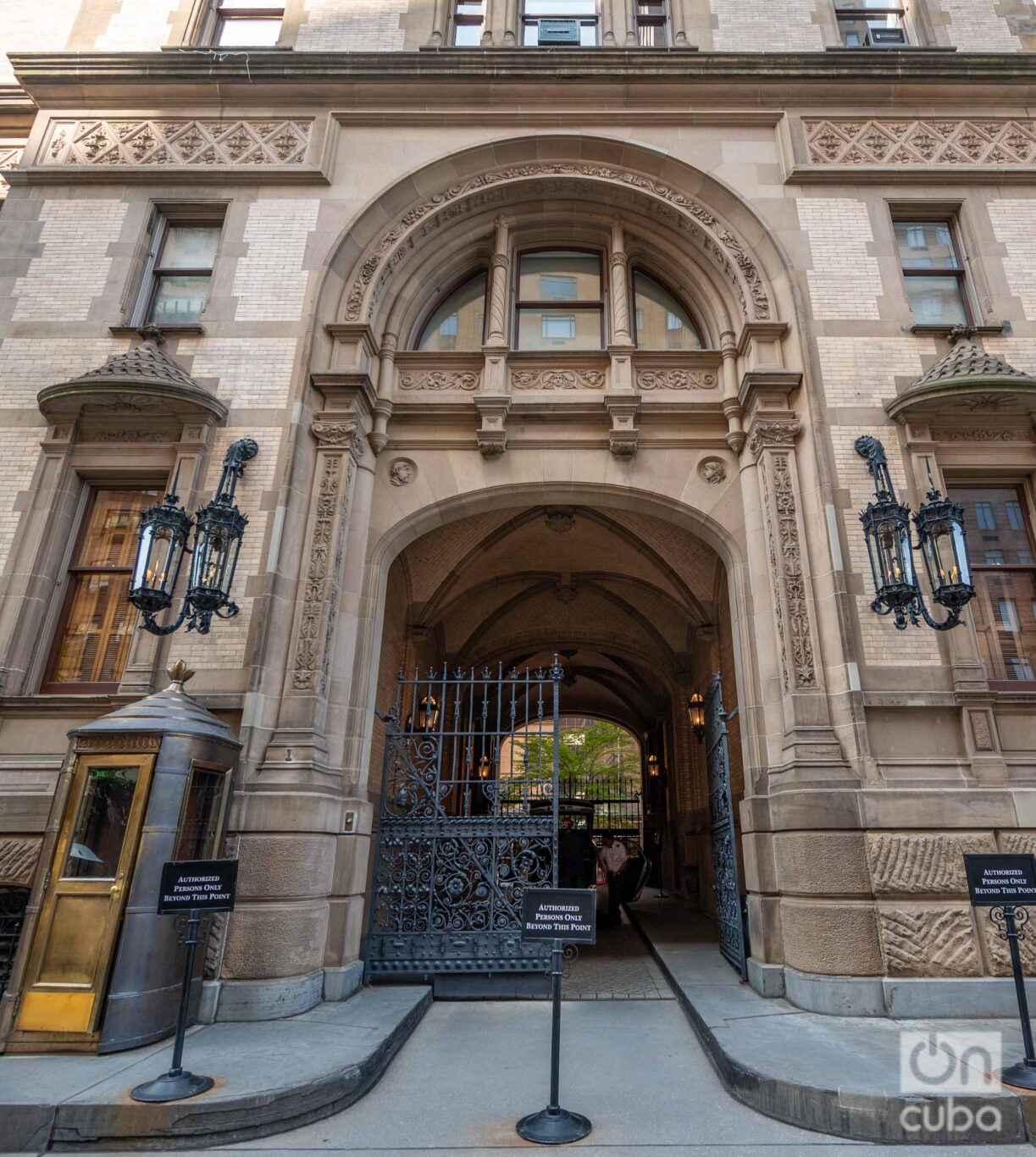
By then, Chapman had already decided to kill his idol. He had traveled from Hawaii for that purpose, hesitated, decided again and finally stayed waiting under the arch of the Dakota. The twisted devotion of certain fanatics is fertile ground for darkness; That night both forces coincided in the same shadow.
After ten thirty, Lennon and Yoko returned from the studio. He wanted to arrive in time to say goodnight to Sean, his five-year-old son. That loving rush—so intimate, so human—made them get out of the limousine in the middle of the street instead of directly entering the inner courtyard, which was much safer. Outside, doorman José Sanjenís Perdomo and a taxi driver saw Chapman in the dark. Nothing seemed out of place. New York is a city where shadows rarely attract attention.
Yoko walked forward. Lennon was a few steps behind.
Chapman stepped forward and fired five shots from a .38 Special caliber revolver. Four bullets passed through the musician’s back and shoulder; a fifth ended up embedded in a window. Lennon managed to climb five steps towards the safety zone and uttered:
—They shot me.
Then he collapsed.
Janitor Jay Hastings ran over to him, took off his glasses, covered him with his uniform, and called the police. Outside, Perdomo grabbed Chapman’s gun. The killer, surprisingly calm, took off his coat, sat on the sidewalk and waited. He had in his hand a copy of The Catcher in the Rye. On the inside cover he had written: “To Holden Caulfield. From Holden Caulfield. This is my statement.” Sometimes nonsense needs to disguise itself as literature.
The police arrived within minutes. Chapman, evenly, said, “Yes, I just shot John Lennon.” Officers Bill Gamble and James Moran loaded the musician into the back of the patrol car and took him to Roosevelt Hospital. Lennon arrived without a pulse. For twenty minutes, doctors tried to revive him: they opened his chest, did manual cardiac massage. But the hollow-point bullets had shattered vital vessels and organs. At 11:15 p.m., Dr. Stephan Lynn pronounced him dead. He was barely 40 years old.
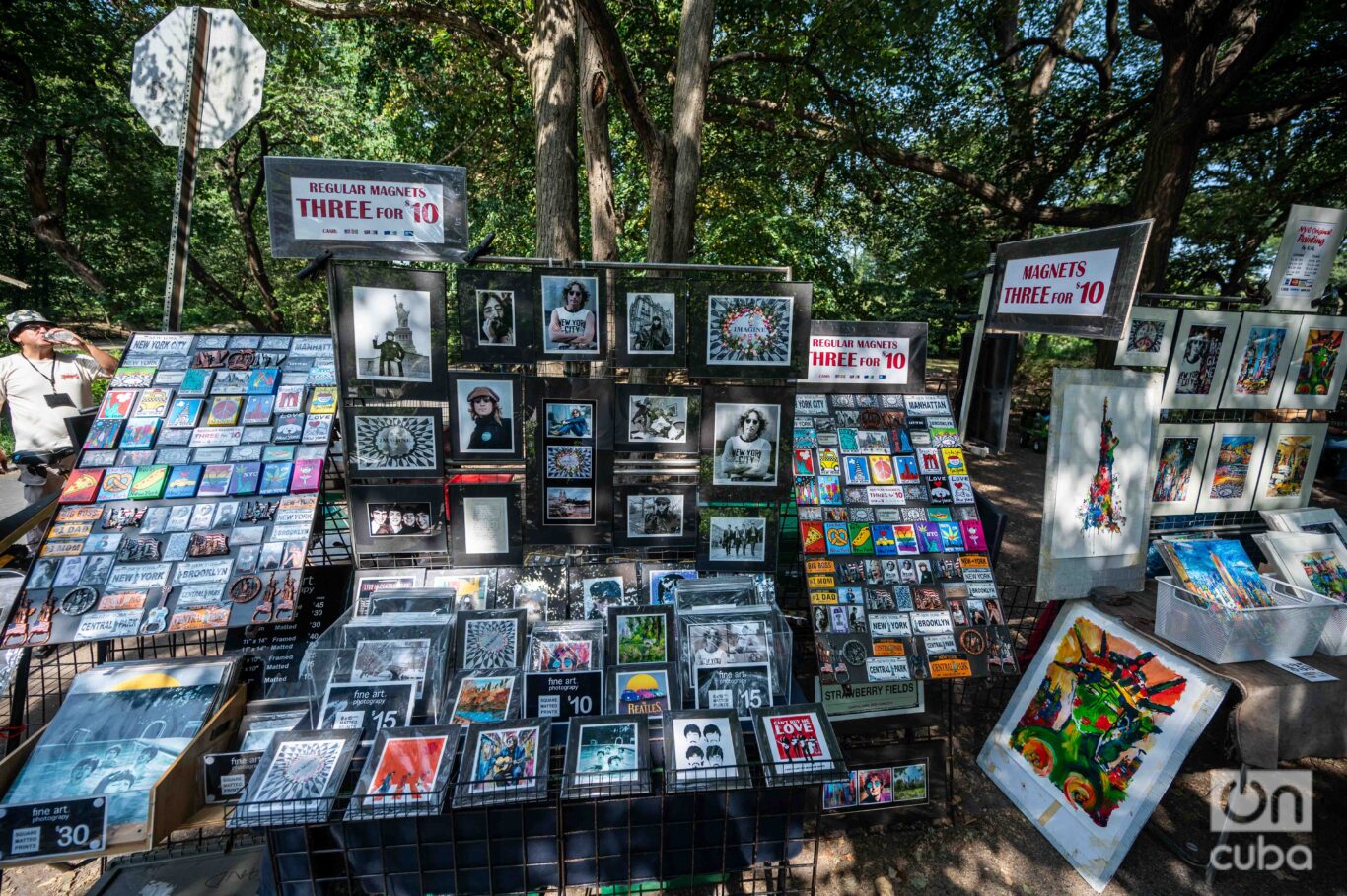
The news spread like silent thunder. In front of the hospital and in front of the Dakota, people began to gather with candles, radios, vinyl records, and guitars. In London, Buenos Aires, Tokyo: in every corner where someone had ever sung “Imagine”, an improvised vigil was born.
On American television, Howard Cosell interrupted a soccer game to report what had happened. Walter Cronkite confirmed it at 11:20. Paul McCartney, surprised by journalists at the door of his Sussex home, could only say: “It’s a bummer, isn’t it?” Ringo flew from the Bahamas to accompany Yoko. George Harrison wrote “All Those Years Ago.” The entire world seemed to stop its pace, as if it too had been shot.
“There is no funeral for John… John loved and prayed for the human race. Please pray for the same. Do not give in to despair,” Ono asked after learning that two fans – a teenager in Florida and a 30-year-old man in Utah – had committed suicide. Lennon was cremated on December 10 and his ashes were scattered in Central Park. But the tribute became global: on December 14, millions of people observed ten minutes of silence. About 225 thousand gathered in Central Park alone.
Chapman was sentenced to life in prison. Since 2000, he has been denied parole thirteen times. It is still there, and will probably continue to be.
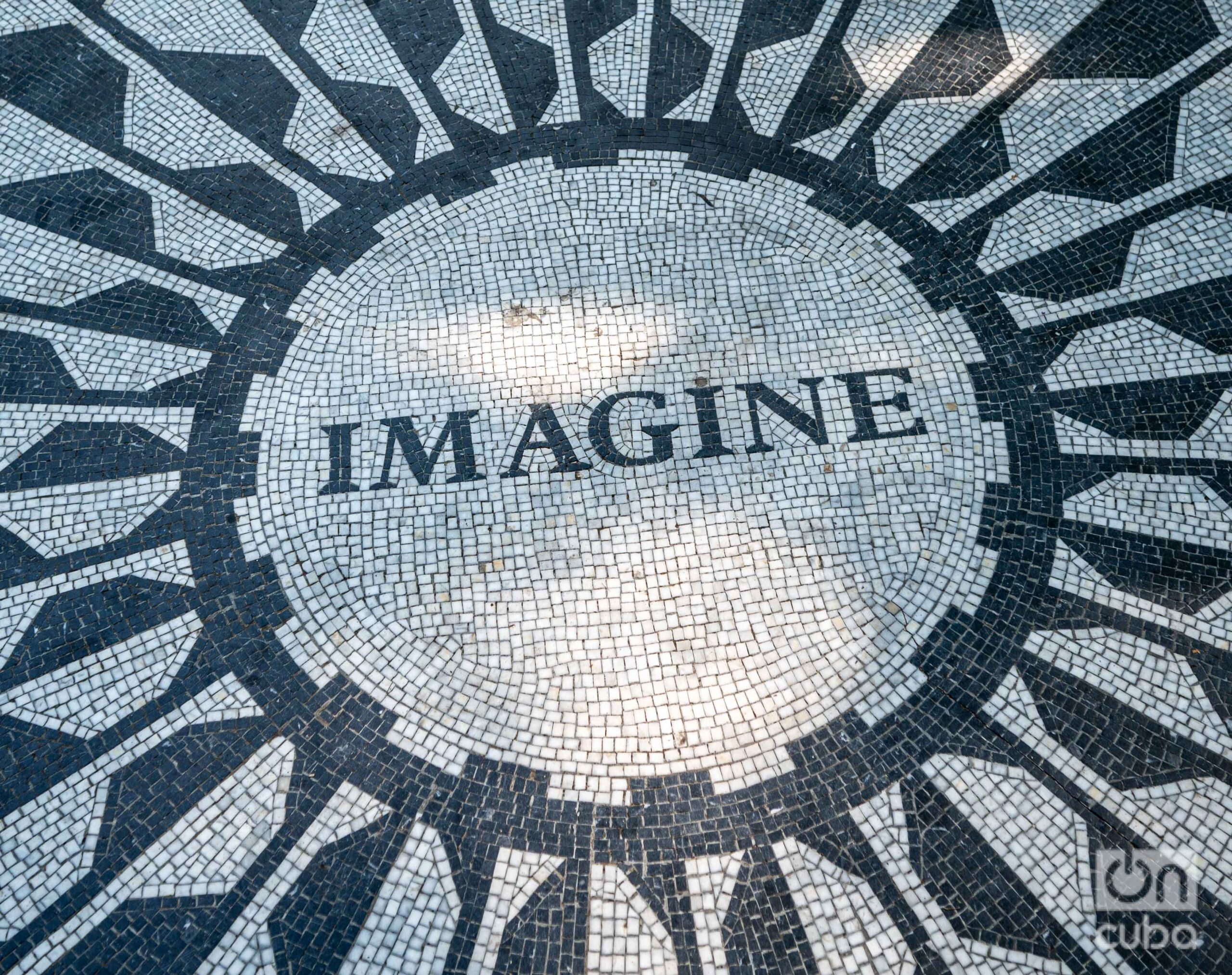
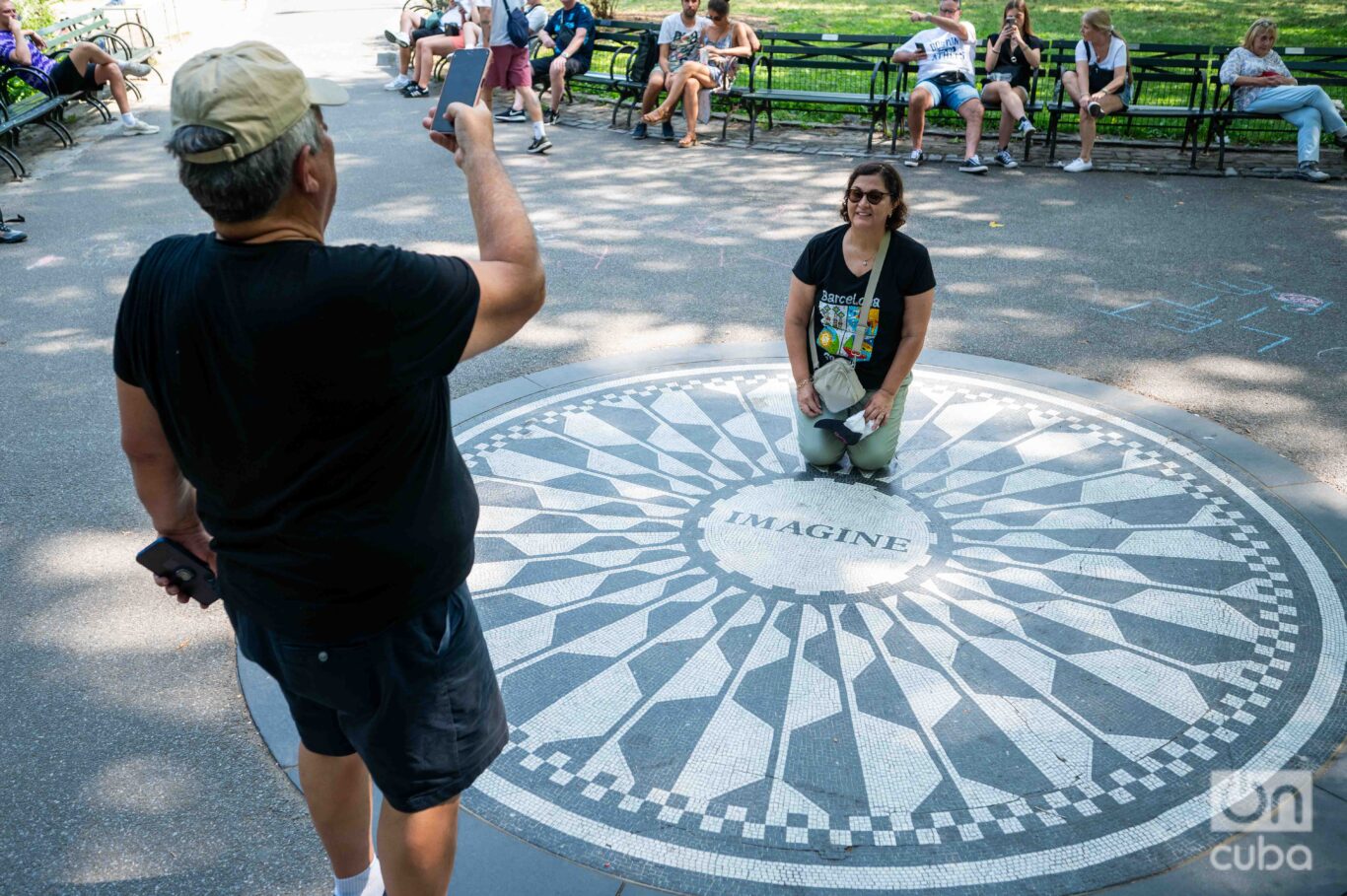
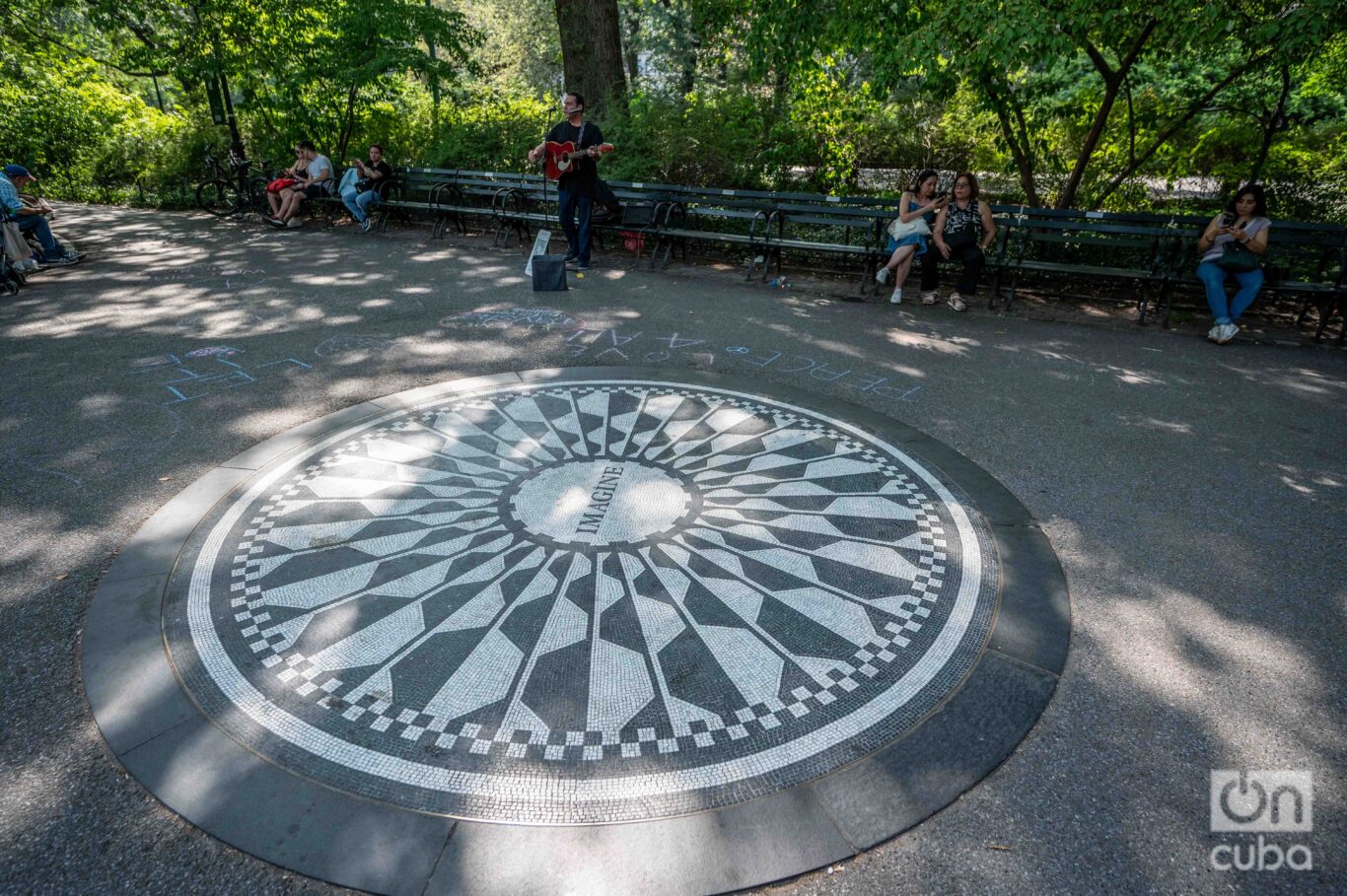
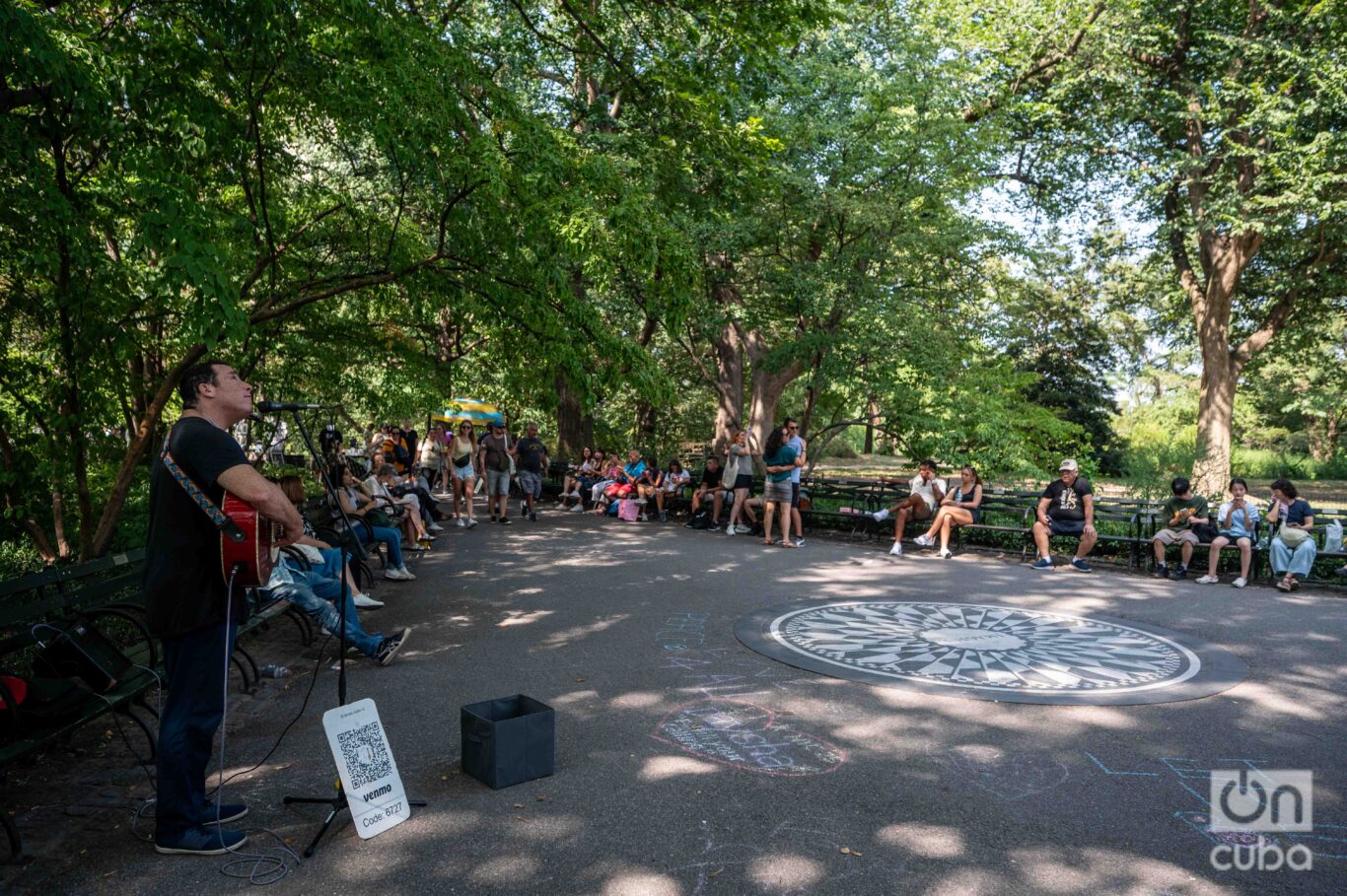
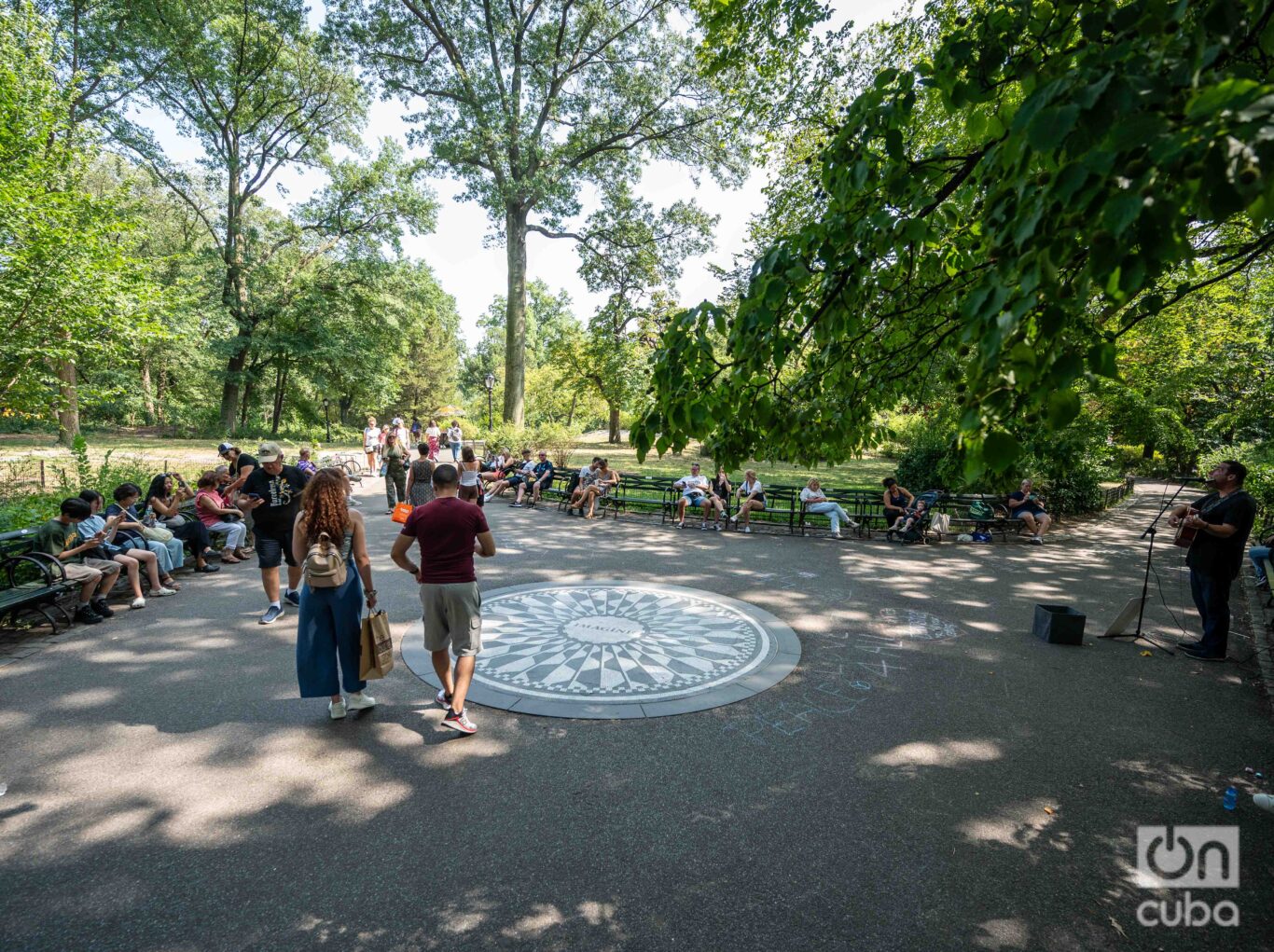
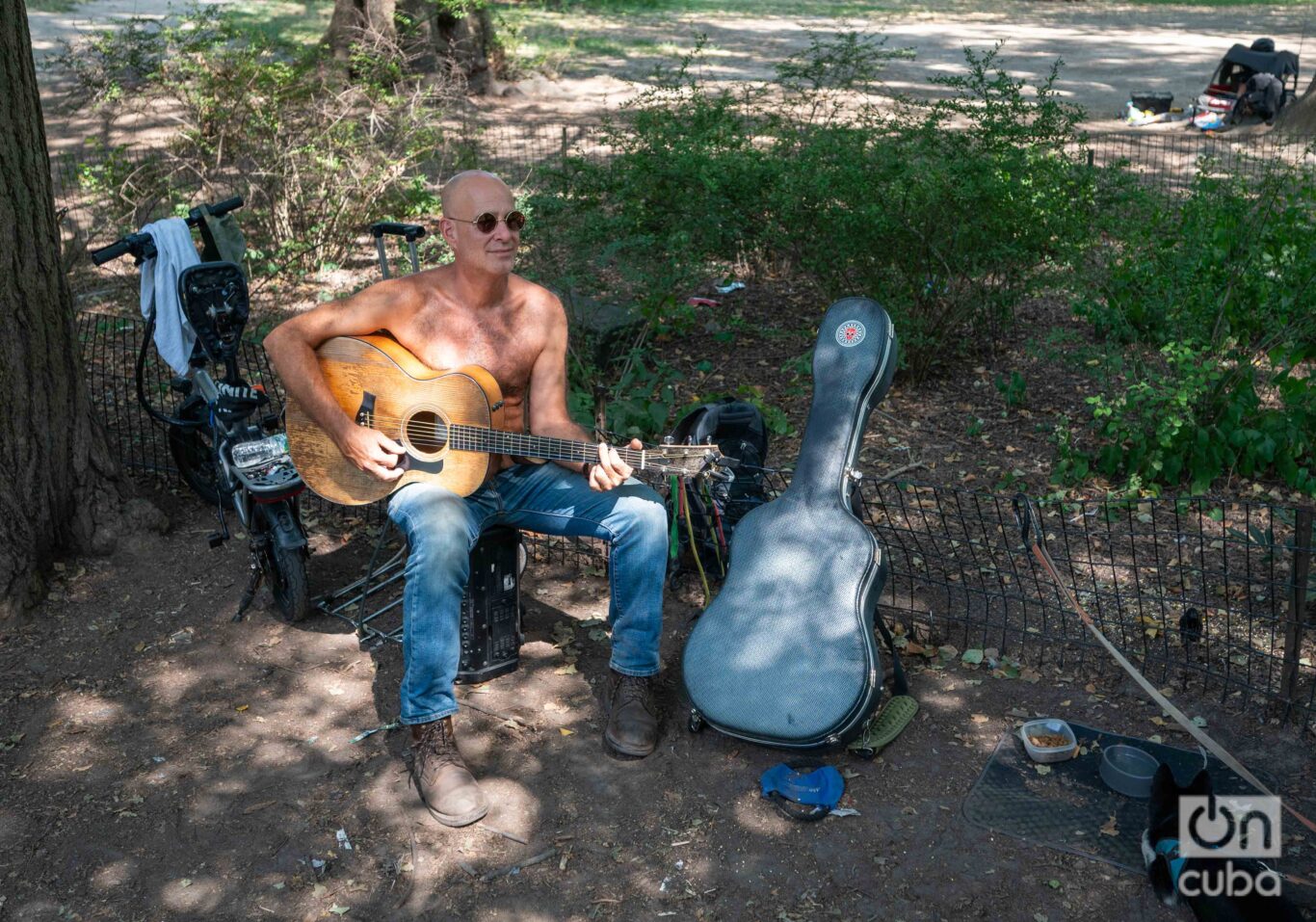
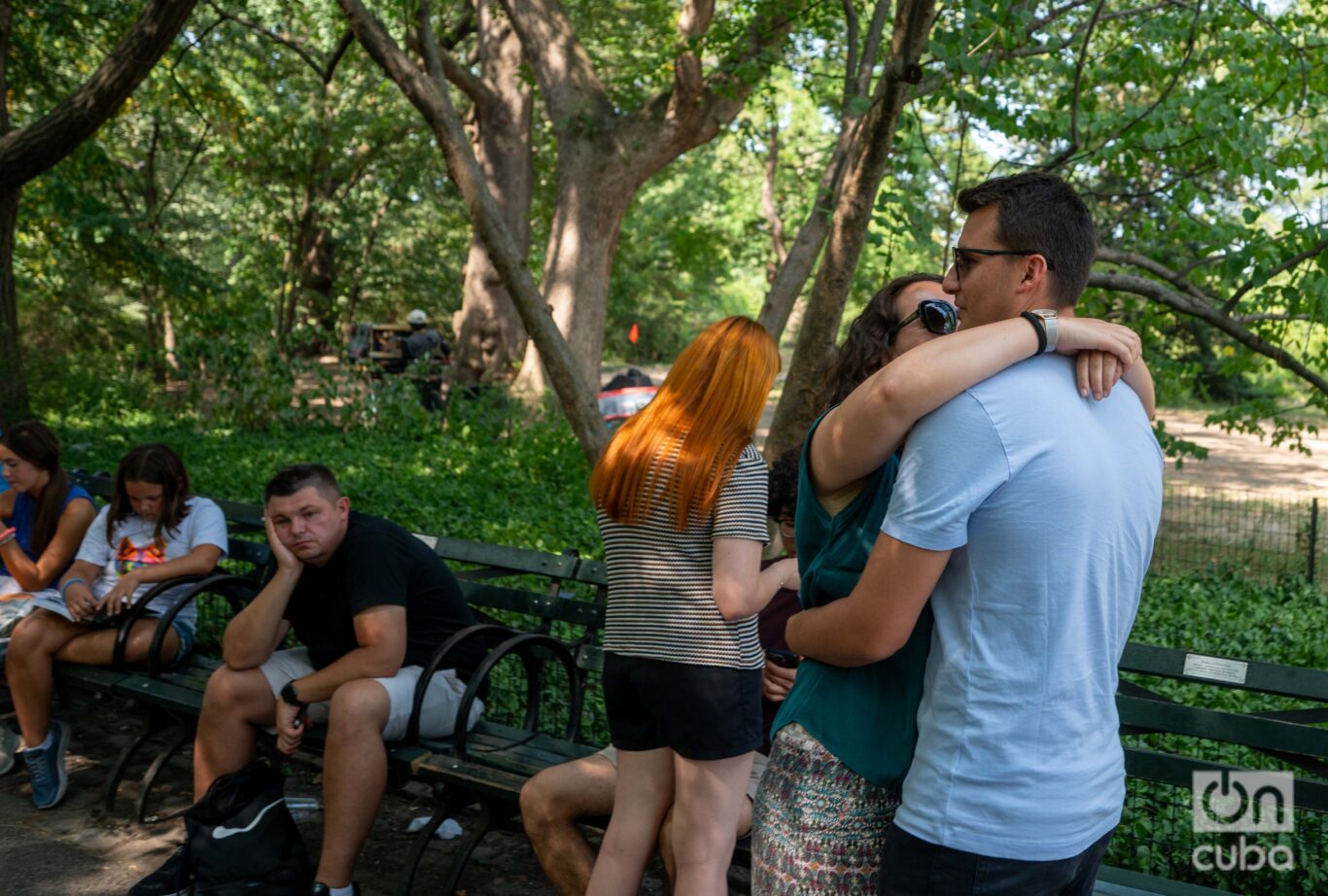
Across 72nd Street, inside the park, is Strawberry Fields, the garden that since 1981 has been named after that dream song that Lennon wrote evoking his childhood. It is one of the most visited sites in New York. Many tourists go straight there without even passing through the Dakota. In the center is the mosaic with the word “Imagine”. Some take selfies; others—those who know the weight of silence—place their hands on the tiles as if touching an altar without gods. It was in that place where Yoko Ono scattered John’s ashes.
Something simple and brutal happens: Lennon went out that night in a hurry to give his son a kiss. He didn’t know that the entire world was about to be orphaned by him. Forty-five years later, the city continues to carry that echo.
Since that night, New York—and perhaps much of the world—never sounded the same again. It is a silence that even today, 45 years later, continues to mark the rhythm of memory.