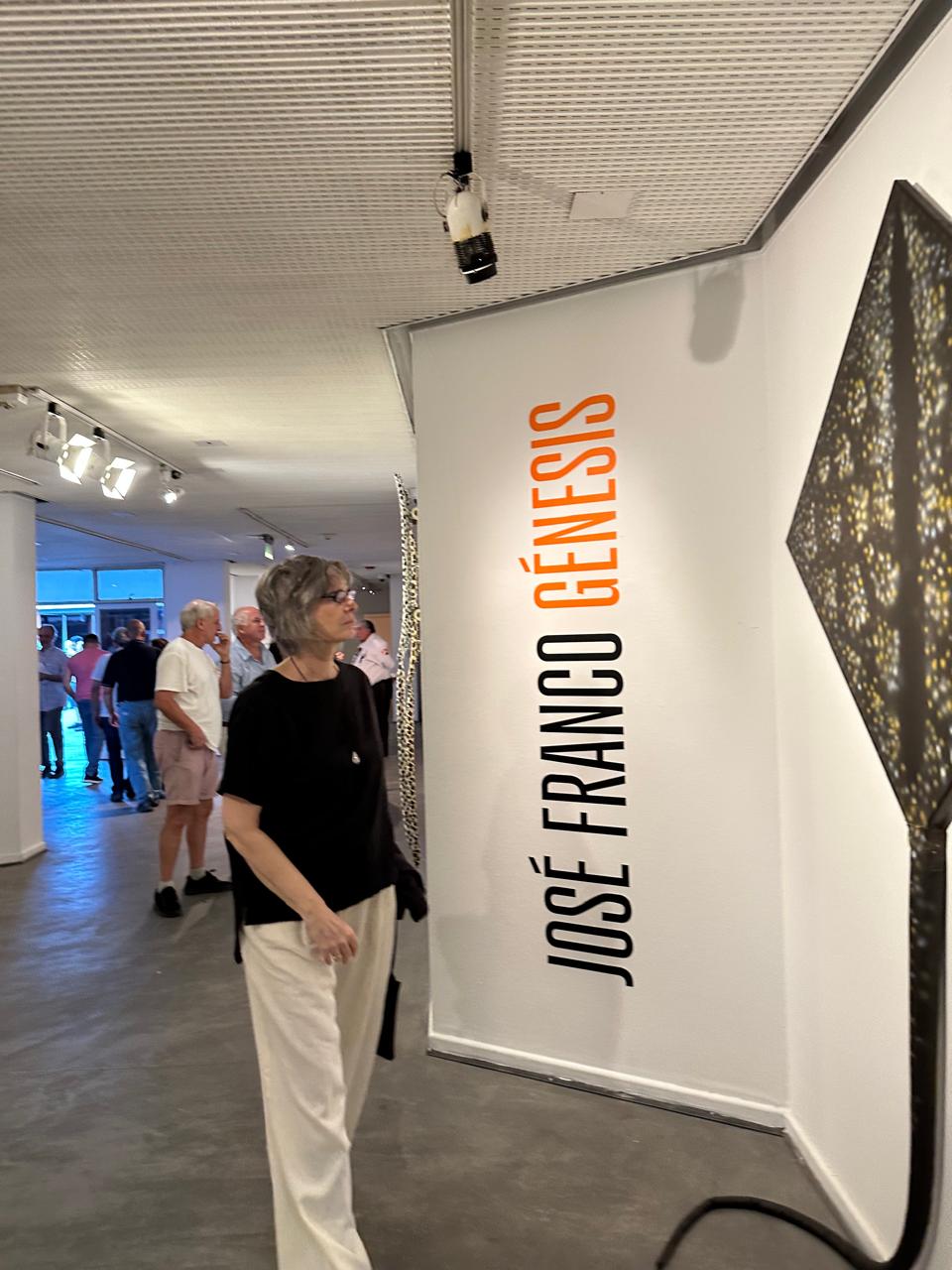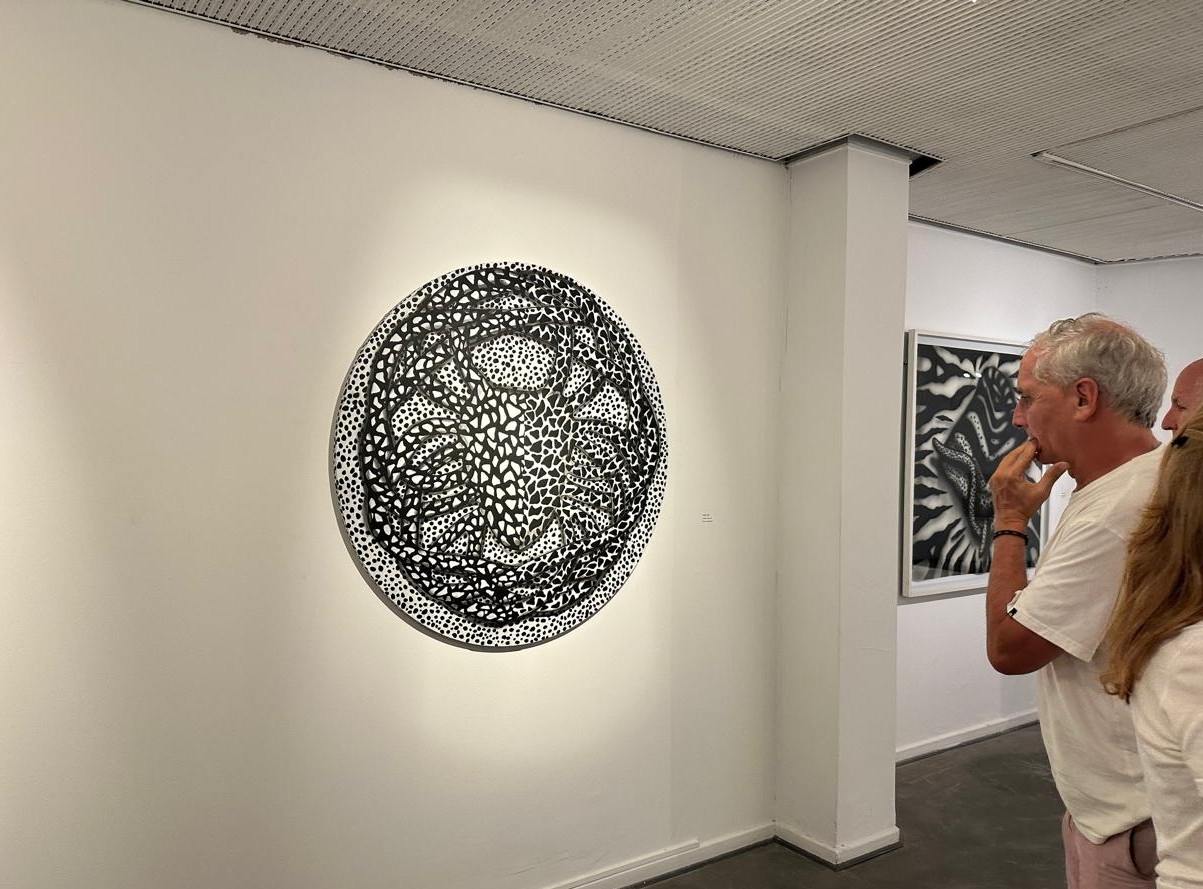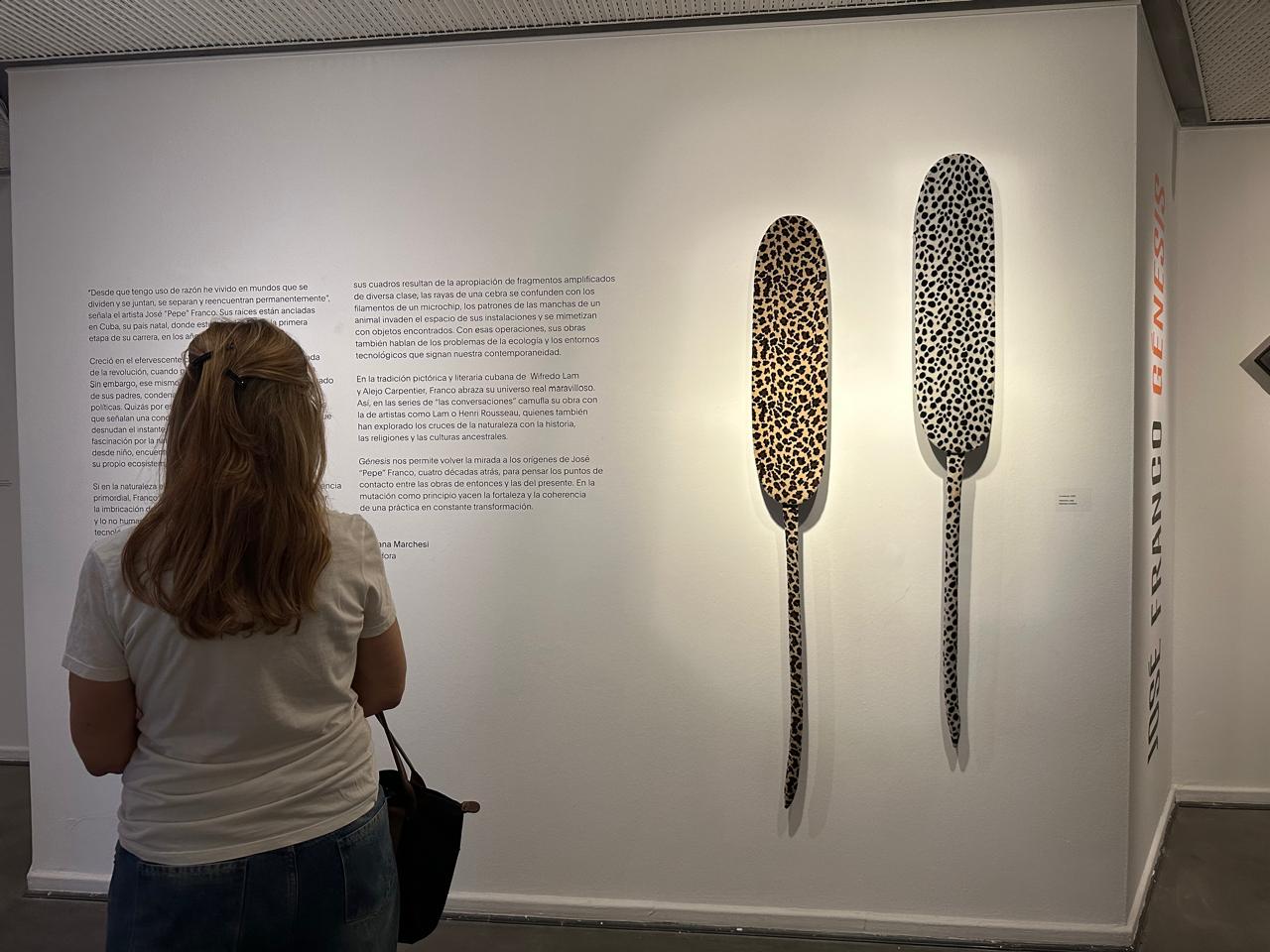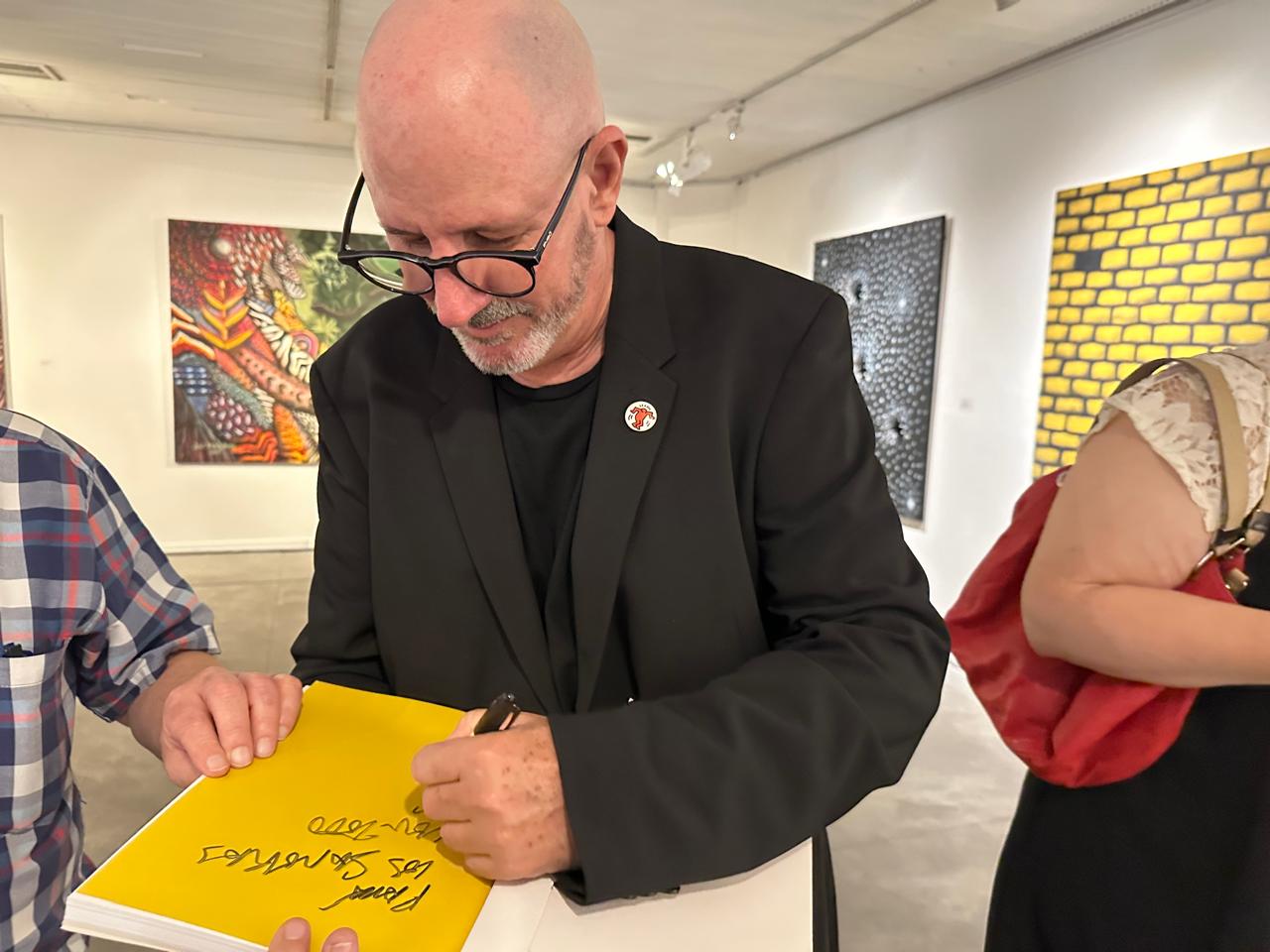
José “Pepe” Franco exposes in a big way. The National Museum of Fine Arts of Argentina has given you the rooms on the second floor until January 18, 2026, to show Genesisa selection of installations, drawings and paintings from three decades, with which it aims to reveal the essence of its poetics from its origins to today.
Mariana Marchesi, artistic coordinator of the MNBA, who assumed the curatorship, started from pieces made in the 80s to reach 2025, a moment in which, although the artist’s discourse remains essentially the same, he adds more contemporary resources to his work, such as electronics.
Pepe, a graduate of Ena and Isa, became known in Havana in the 80s as part of the 4X4 collective. It was a time of updating Cuban plastic arts, which was opening up to broader horizons. In 1991 he won the prestigious Guggenheim scholarship, for which he remained in New York for a year. He then moved to Argentina, where he resides to this day.
Busy, in the middle of the process of assembling the works, we tackled it.
In June 2021 I interviewed you for this same space. On that occasion you told me:
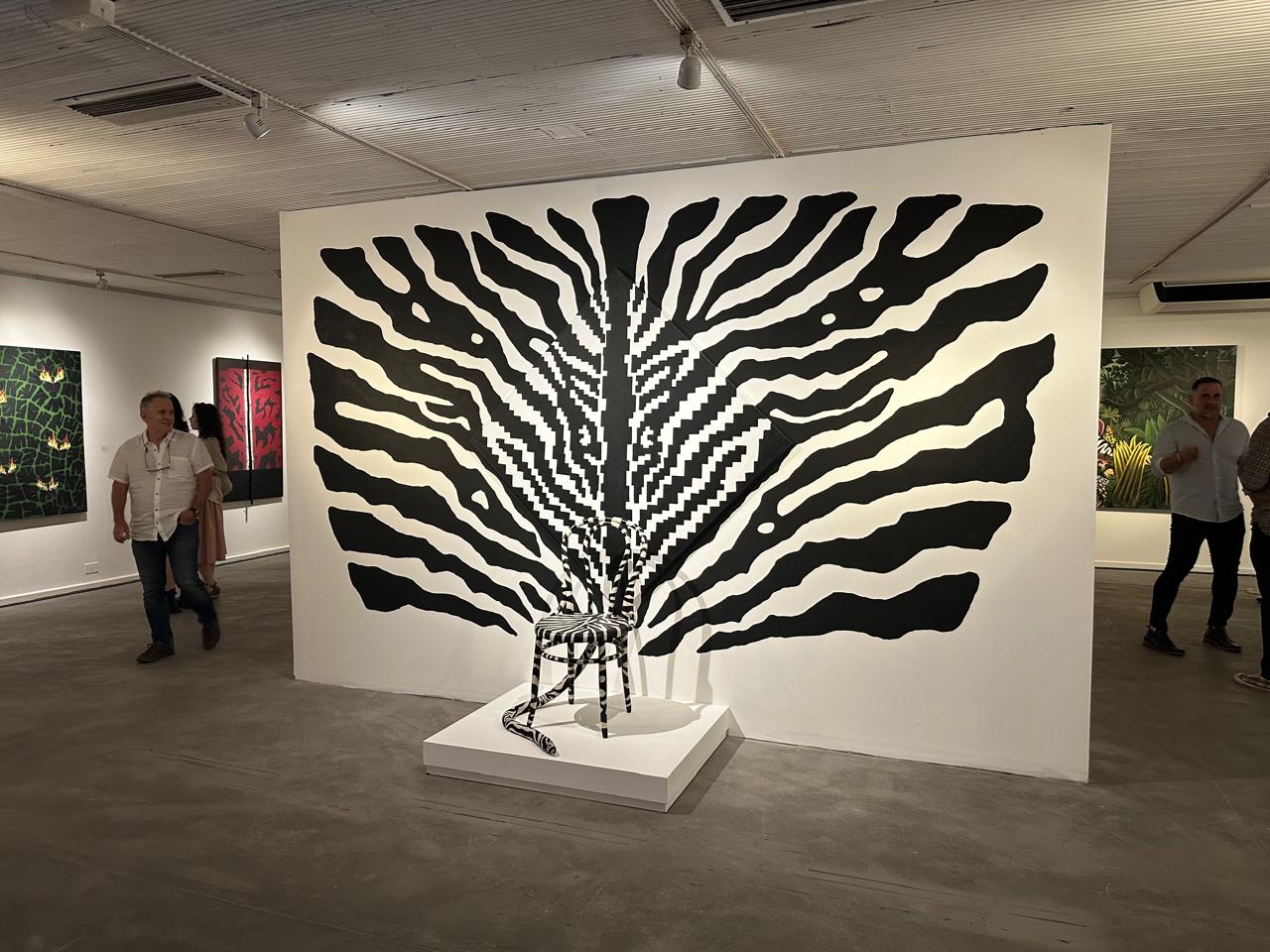
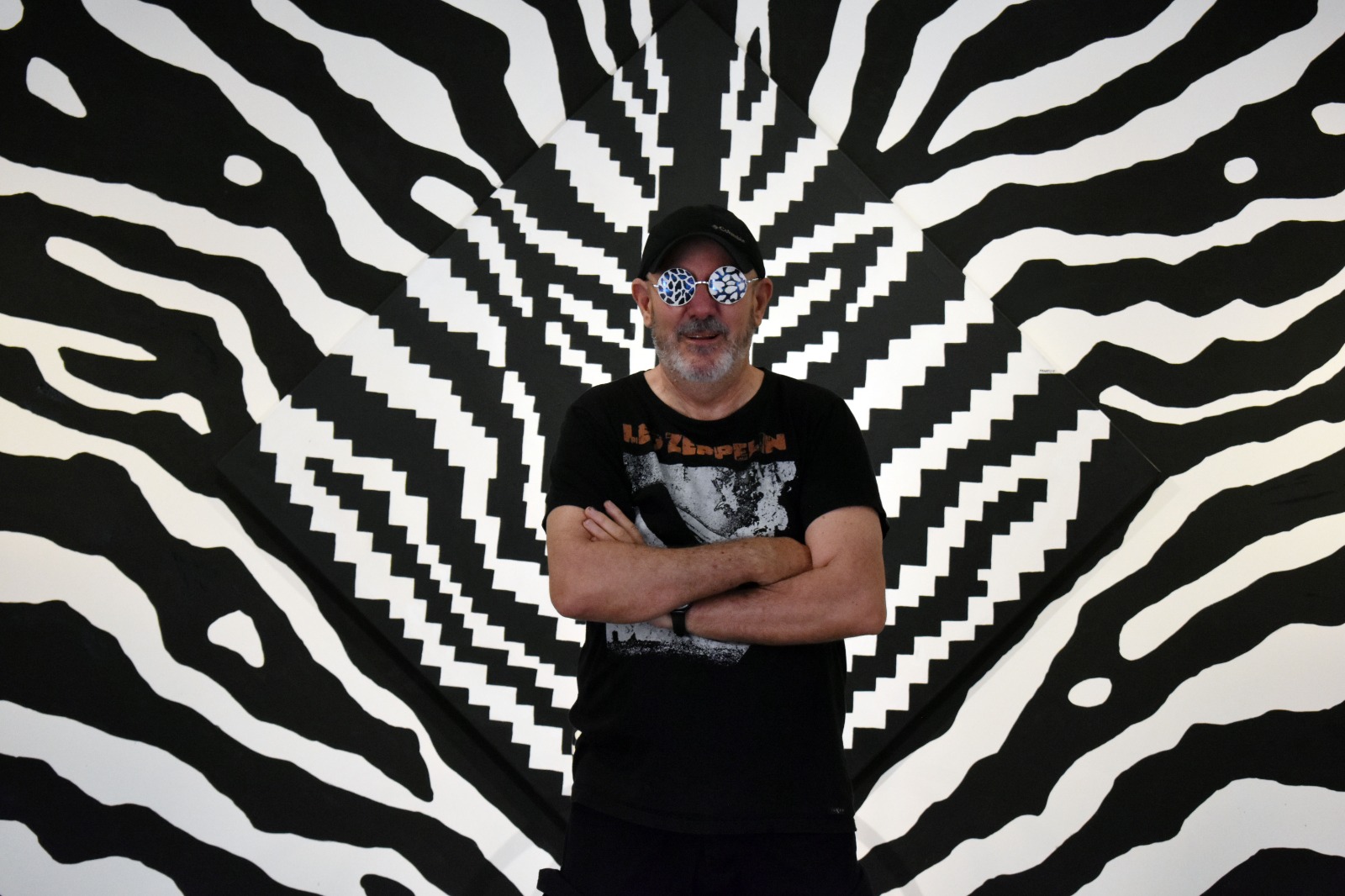
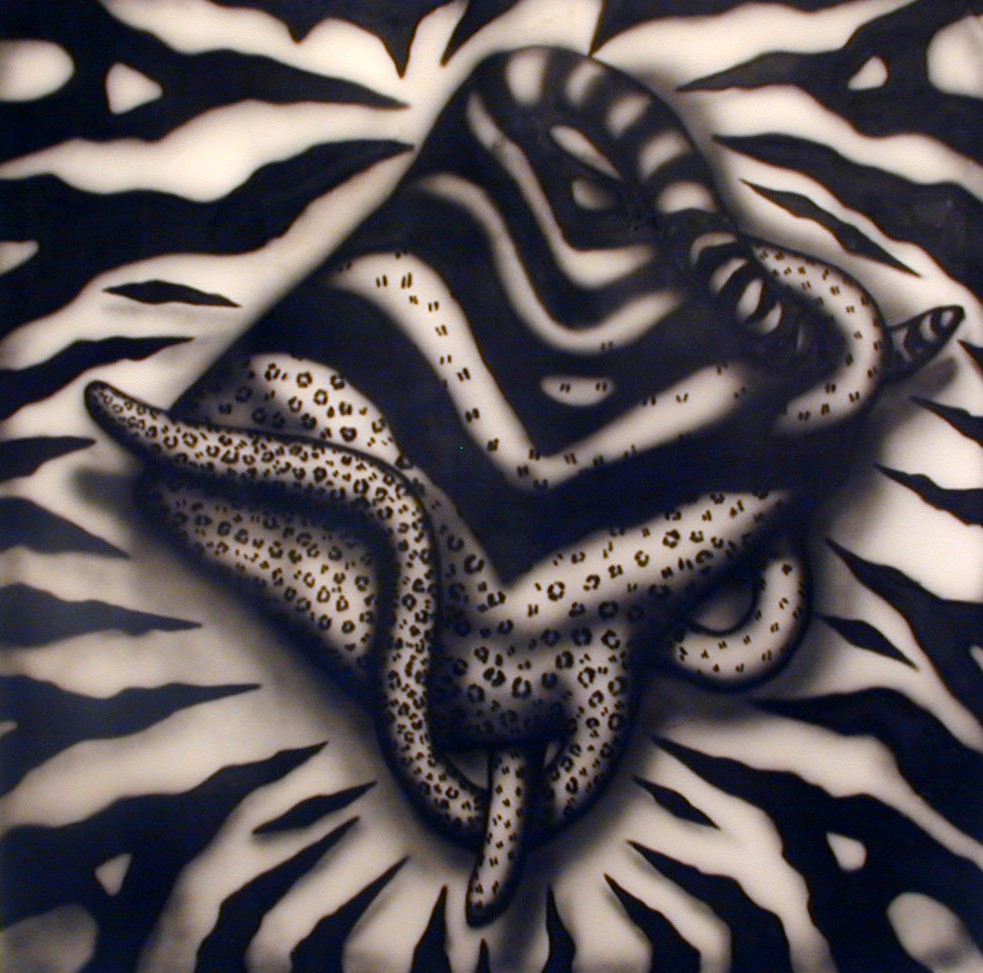
“My work is based on the analysis of man’s relationship with nature, as an admirer and as a contrary. I am a rare species in Cuban art in general. My interest first began with natural beauty and its patterns. I began making a series of almost abstract works, which were based on natural details, such as textures of fish, zebras, any animal that caught my attention.”
What has happened in your work since then?
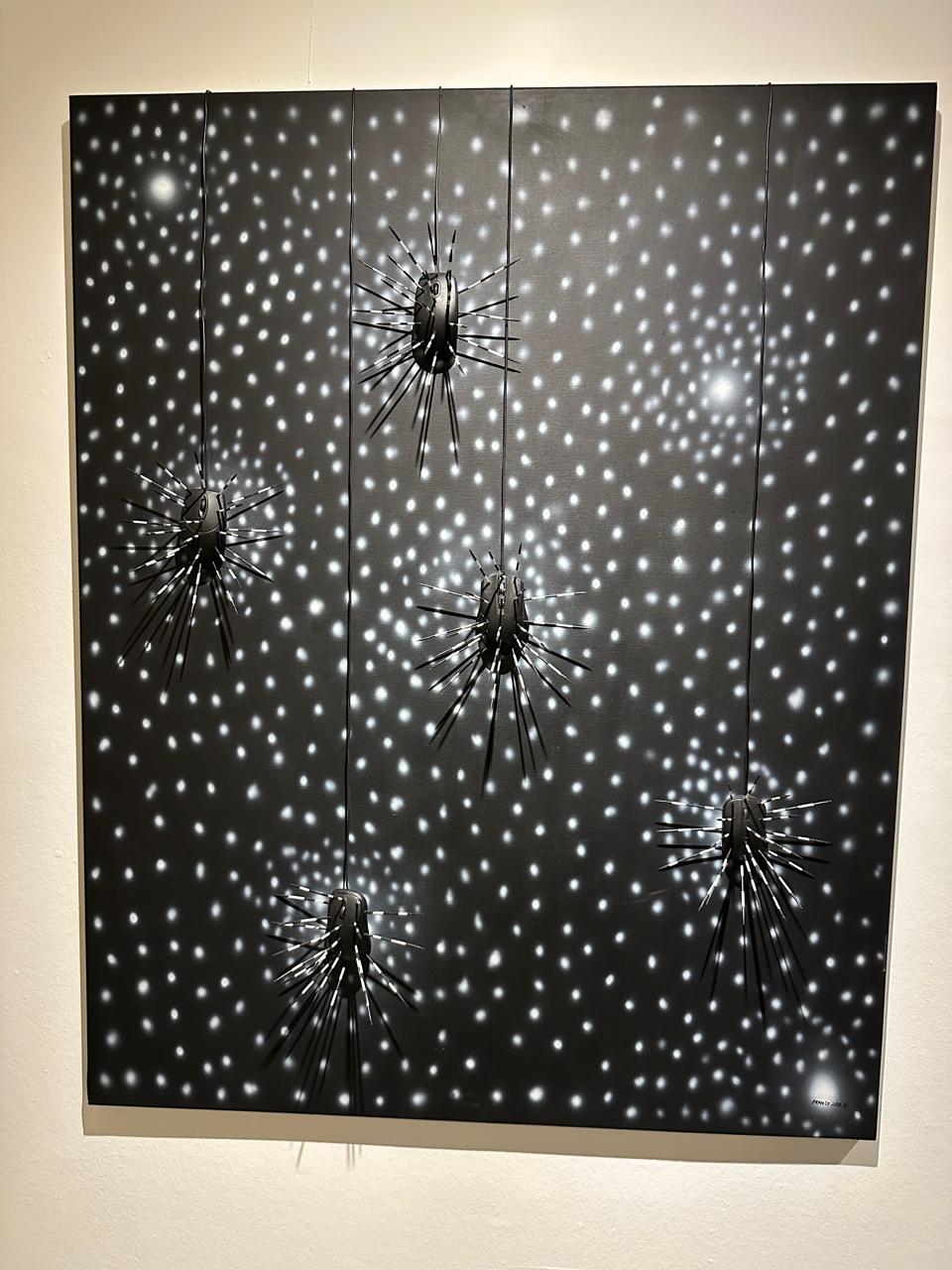
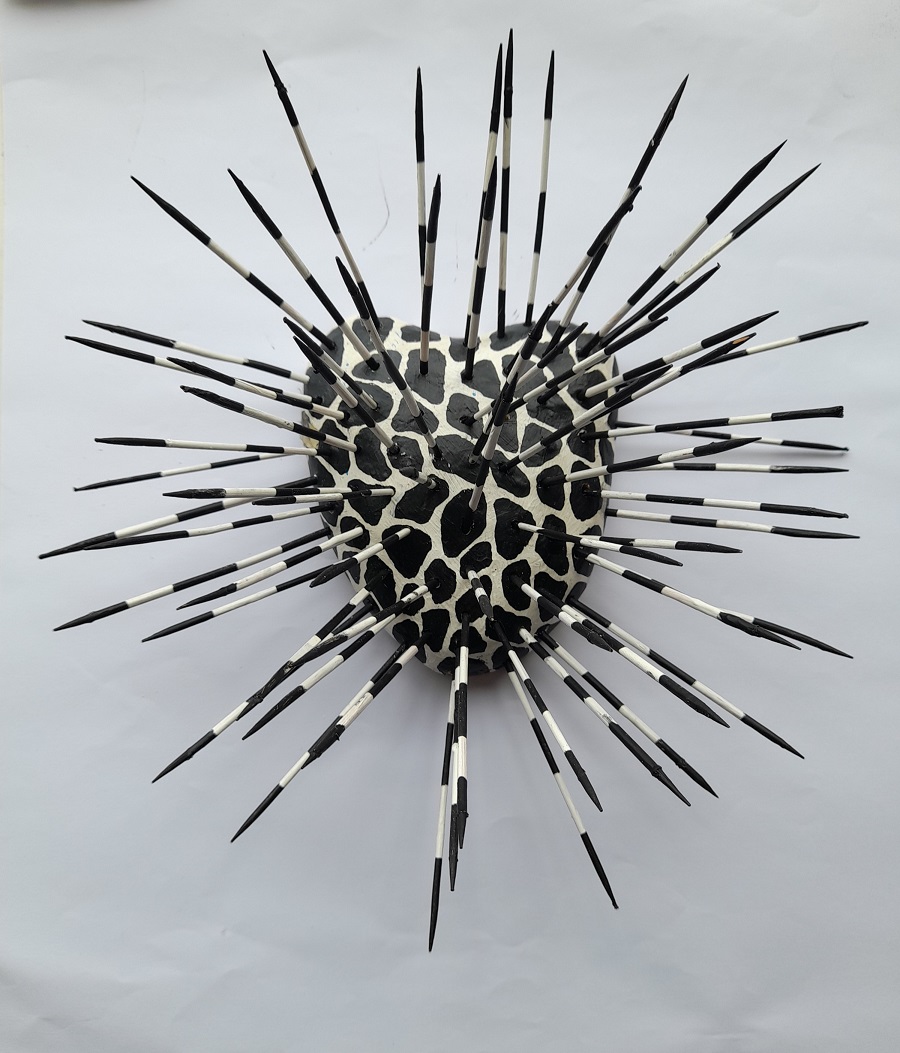
The first thing that happened was the pandemic. We thought the world was going to end, and that, I think, changed all of our minds and made us reflect on our lives and our work. Incredibly, a few months before the pandemic he had begun to make a series of objects that had spikes, and some videos that are on YouTube where he raised problems of coexistence. One of these is called Don’t come near me; other, The animal heart is a lonely hunter, and things like that related to ecological disasters, treated in a poetic way, which then dialogued with the pandemic.
Is this exhibition at the Museum of Fine Arts of Buenos Aires the most complete you have done so far? Can we talk about a retrospective?
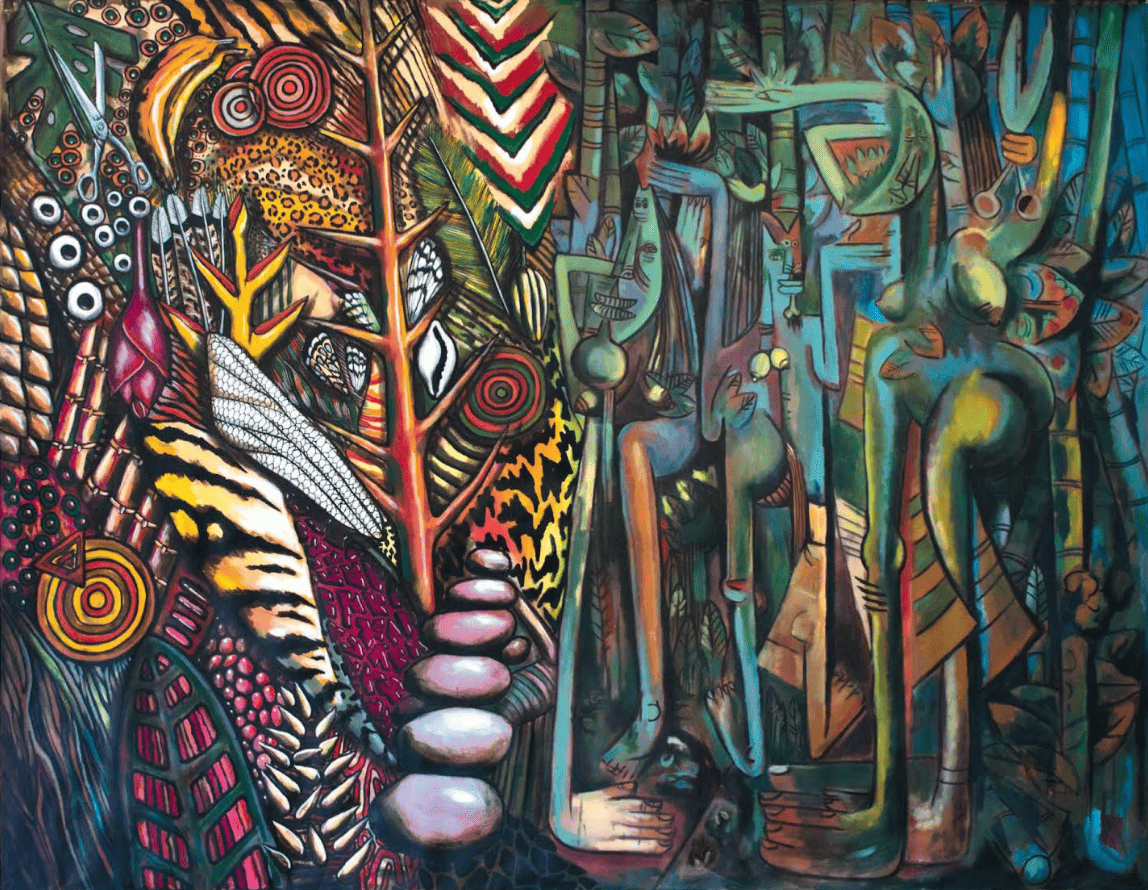
I had been thinking about it for years. It is not a retrospective, but rather an anthological exhibition, in which I exhibit works from the 80s, 90s and 2000s related to each other. You know, that thing about the writer always writing the same book, but translated into plastic. In the middle there are many alternative paths, that’s why it’s the title Genesis. We try to look for works that marked my beginning as a painter and that over the years have remained the basis of my research, textures, objects and ideas.
Do you exhibit unknown areas of your work?
Completely unknown, no; but works that have never been shown in Buenos Aires. I recreated two installations that I had made in 1992 at the Cavin Morris Gallery in New York, when I exhibited the results of my work with the Guggenheim fellowship research.
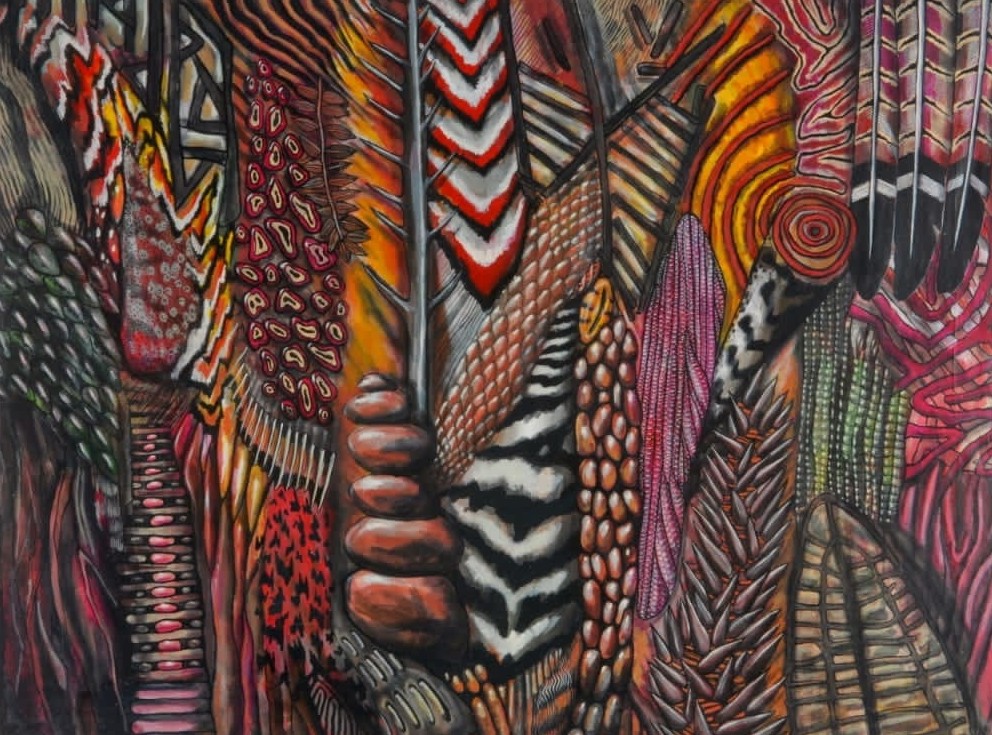
You have remained faithful to your initial poetics, with the logical updates that the passage of time and aesthetic mutations impose. I don’t think I asked you then if you recognized, in the beginning, influences from optical art. I’m thinking of Victor Vasarely.
I have maintained a coherent line of work, only now I use some things from technology, such as drawing digital sketches or making videos, but the basics remain. That’s another thing that the pandemic brought. I am a teacher, and I had to retrain, teach virtual classes and learn to use a graphics tablet or edit videos.
I never looked for references in optical art, although some paintings coincidentally present an optical effect. Vasarely has work with zebras that I really like, but it is more realistic. Op art is not a pictorial movement that I especially like, as I do with Pop, which uses objects and enlarges images.
How to establish your artistic genealogy? Which artists, Cuban and foreign, did you start from in the beginning? Already in adulthood, what artists motivate you now? Which of them do you think your work dialogues with?
The artists of the 80s were influenced by American pop as a movement: Jasper Johns,
Rauschenberg, Andy Warhol, Keith Haring, Weselman, Lichtenstein… I took the pop idea of using an object and enlarging it, but in this case, instead of cans or commercial products, they were elements of nature; Also coming from that movement is the resource of gluing elements to the canvas or having them come out of it, as Oldenburg, Johns and Rauschenberg did.
I think the same artists continue to motivate me. I like all works that work with elements of everyday life. I couldn’t tell you a specific name. Perhaps, Anselm Kiefer, although he has a very different poetics.
Your generation is scattered around the world. From the group 4×4, of which you were part, Finalé lives in Cuba; Gustavo Acosta, in the USA; Carlos García, in Mexico, and you, in Argentina. Are you aware of the development of their respective works? Does the idea of exhibiting together again seduce you? I can think of a title for that hypothetical sample: Those from then, the same?
The title is good. Now, with Instagram and WhatsApp, we are very connected, and, of course, one is aware of what the other is doing. We have met physically too. 4×4 was a stage; I don’t know what it would be like to do a reissue.
Regarding the projection of your work, do you consider yourself a well-known or recognized artist?
That question would have to be answered by someone else. I am happy with being able to work, and having a friend tell me “I like your work,” or not.
Does creation have an anguishing side for you or, being you a guy with excellent humor, is it a playful exercise?
I always try to have fun in life, even though reality is often hard. Creation has never had a distressing side for me. I used to worry when I didn’t paint for a long time, or that I couldn’t think of anything, but suddenly an idea or an object appears that triggers interesting things. When I walk, I look at what people throw in the street, and many of those things give me ideas. For example, I collected a bunch of mouses broken, and I had them hanging around the workshop for a while until the light bulb came on.
When is there a retrospective of yours at the National Museum of Fine Arts in Havana?
The museum has some of my works, but for a retrospective it would be better to wait until I turn 80. That way I would have more works.
You have lived from and in art. Can you imagine spending your vital time doing something else?
The truth is, I don’t see myself doing anything else. Lately I’ve been trying to play the harmonica, just in case. There is always the possibility of playing on the subway and putting on a hat so they can give me money. Maybe a manager from the record industry stops by and discovers me.
Is that bullshit?
What do you believe?
That: Genesisan anthological exhibition by Pepe Franco.
Where: National Museum of Fine Arts. Av. del Libertador 1473, Autonomous City of Buenos Aires, Argentina.
When: from 12/4/25 to 1/18/26. From Tuesday to Friday from 11:00 a.m. to 8:00 p.m.; Saturdays and Sundays from 10:00 to 20:00. Closed Monday.
How much: Free entry.
Photos from the exhibition: