Havana/The Cuban Government, aware of its current vulnerability, is reacting with unusual speed. Hours after Hugo’s letter was published The Chicken Carvajal –former head of Venezuelan intelligence– in which he accuses the Chavista regime and the Island of having designed a drug trafficking strategy against the United States, Havana called a press conference to clarify that “Cuba is neither a producer nor a transit country for drugs.”
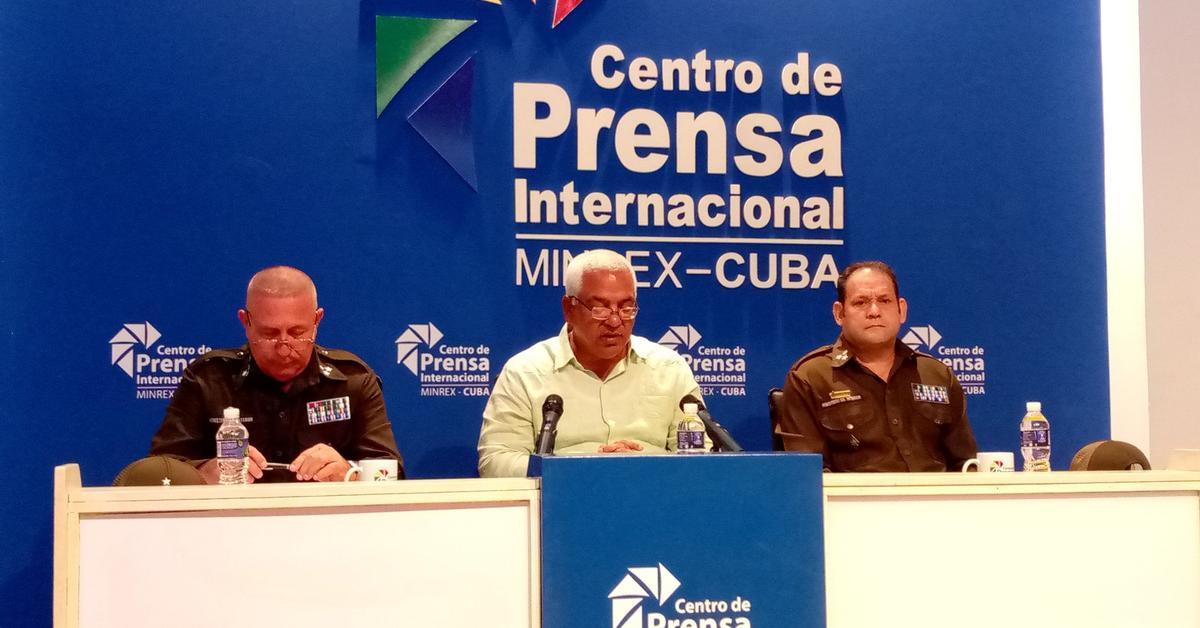
The officials of the Ministry of the Interior and Justice gathered this Thursday at the International Press Center offered an image of control, but the timing of the appearance revealed the political urgency. The Carvajal’s letterdirected at Donald Trump, details two decades of narcoterrorism operations, cooperation with guerrillas, electoral manipulation and a close relationship with the Cuban intelligence services. In one of his most forceful statements, the former general maintains that “this plan was suggested by the Cuban regime to Chávez in the mid-2000s,” in reference to the use of drugs as a geopolitical weapon.
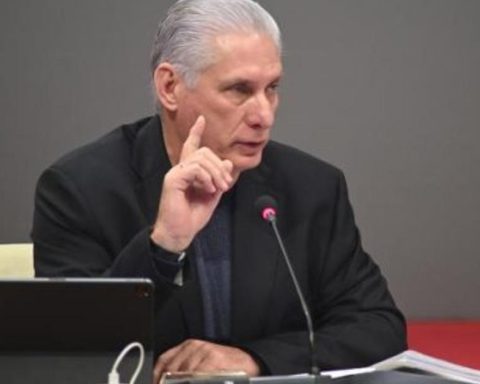
The presence of the Minister of Justice, Oscar Silvera Martínez, First Colonel Ibey Carballo and Colonel Juan Carlos Poey marked the exceptional nature of the press conference. Havana generally avoids giving public explanations about internal security, but this time the complicated domestic crisis, as well as the US military deployment in the Caribbean, are pressing the accelerators of the oldest dictatorship in the West.
Poey, head of the Interior’s anti-drug body, described the United States military presence in the area as “a serious threat to the security and sovereignty of Cuba.” And he added an argument that tried to turn the tables: “The synthetic drugs that circulate in Cuba today come mostly from the United States.”
Carvajal claims that Cuban intelligence showed him “their networks within US naval bases and thousands of spies sent over decades.”
To soften the tone, Carballo, second chief of the Border Guard Troops, emphasized cooperation with Washington: “We exchange information in real time with the US Coast Guard. We give them position, course and characteristics of the drug vessels.”
Carvajal’s letter, addressed to Trump from a US prison, does not limit itself to describing crimes. It directly places Cuba as a key actor in the construction of the so-called Suns cartel, assures that the Island provided strategic advice, and affirms that Cuban intelligence showed it “its networks within US naval bases and thousands of spies sent for decades.”
He also assures that criminal groups such as the Aragua Train were formed “by orders of Chávez and then Maduro, with coordinated support from the Ministry of the Interior and security forces,” and that part of these operations were sent abroad. Although Cuba is not mentioned as a participant in these gangs, it does appear as an advisor and ally of the structure that created them.
The publication of the text coincides with an increase in US military pressure in the Caribbean. Washington has directly linked Venezuelan President Nicolás Maduro to drug trafficking and has offered a valuable reward for his capture. Its military presence near Venezuela has been considerably reinforced, with lethal attacks against drug traffickers’ boats, threats to extend them on land and imposing the total closure of Venezuelan airspace. In this context, any reference to Cuba’s role takes on additional weight.
In its conference, the Ministry of the Interior reported that more than two tons of drugs have been “seized” in Cuba so far this year, although without detailing routes, networks or those responsible. The authorities recognize an increase in consumption – especially among young people – but do not publish complete statistics. The internal response continues to focus on quick trials, long sentences and exemplary punishments.
It mentions the use of armed groups such as the FARC, the ELN and the Lebanese Hezbollah in coordinated operations with Caracas and Havana, as well as the export of manipulable electoral technology to other countries through the Smartmatic company.
Silvera insisted that the Cuban position is “preventive” and allows the Island “to be neither a producer nor a transit country.” However, he did not offer any explanation as to why the Government now decided to make a public statement on the issue, nor did he directly mention Carvajal’s accusations.
The speed with which the conference was organized, the presence of high-ranking officials and the insistence on cooperation with the United States suggest that the Government’s priority was not to inform Cuban citizens, but rather to respond to the international impact of the testimony of the former head of Chavista intelligence.
Carvajal not only points to Havana as an advisor to the cartel directed by the Venezuelan leadership, but also affirms that North American diplomats and officials would have collaborated with Caracas and that Russia installed a listening post on the Venezuelan island of La Orchila with the knowledge of Cuba. These allegations expand the case far beyond drug trafficking and place the Island within a network of operations that, if confirmed, would have military, diplomatic and national security implications for Washington.
The document also mentions the use of armed groups such as the FARC, the ELN and the Lebanese Hezbollah in coordinated operations with Caracas and Havana, as well as the export of manipulable electoral technology to other countries – including the United States – through the company Smartmatic. Although the official conference avoided addressing any of these points, the coincidence with the accusations underlines the seriousness of the moment.
The accusation that Cuba is directly related to an organization officially classified as terrorist places the regime on extremely delicate ground, just when tension is growing in the Caribbean and when Havana depends on any economic, financial or immigration relief to try to get out of the worst economic crisis since 1959.