“In the Front we have already withdrawn from the demonstrations,” declared Baltazar Valdez, one of the leaders of the peasant organization, to the newspaper Reform.
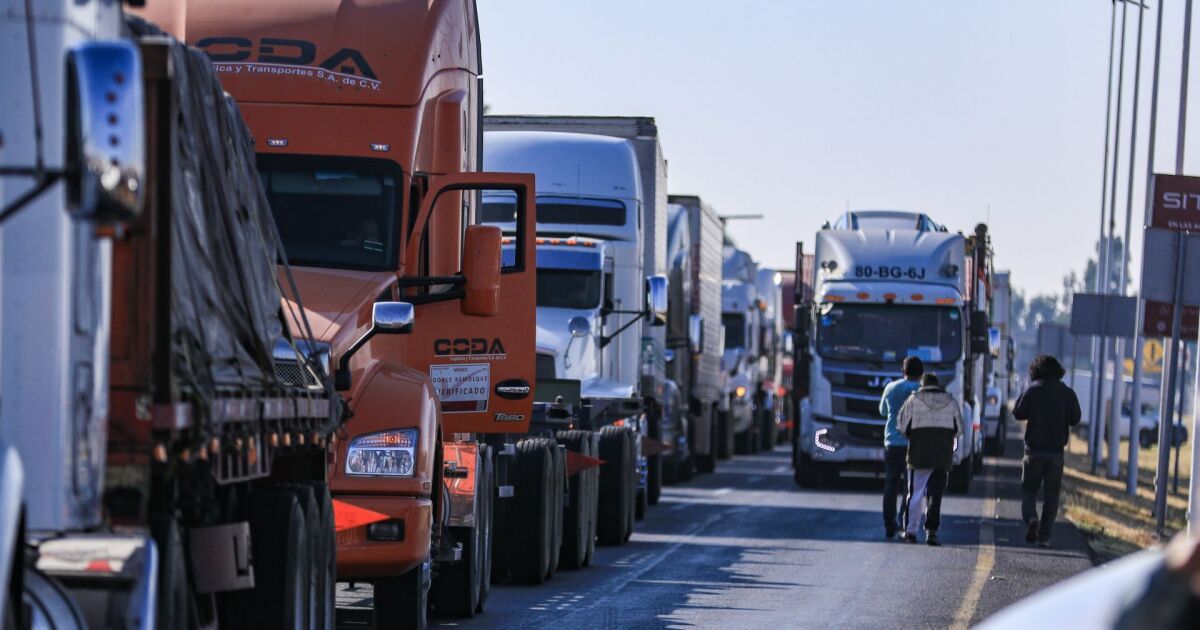
The demonstrations on the roads and customs, which began on November 24, ceased after the farmers reached agreements with the authorities.
On Thursday they met with the Ministry of the Interior, where they agreed that late payments of compensatory wheat prices would be released and to open a dialogue table with the Ministry of Agriculture to follow up on the issue.
According to the Front, another agreement was that another aspect will be worked on with the Ministry of Economy: that the national price of basic grains is not subject to international markets.
The farmers began to remove the blockades from that meeting, they maintained a guard on the northern border until addressing the issue of the new Water Law.
This Saturday morning they confirmed that the protests were ending, after the previous night Ricardo Monreal, coordinator of the Morena deputies, announced that the new law will maintain the inheritance and transmission of water concessions, one of the main demands of the farmers.
Monreal reported through a video on social networks that the prediction of the General Water Law and the National Water Law will have about 50 adjustments. He assured that the aim is to avoid the illegal sale, hoarding and theft of water, but that it will be done respecting the ejidatarios, community members, small landowners and the industry. And, above all, human consumption.
“It is the most important thing about this initiative: taking care of water for everyone. It will be a good legal instrument,” he declared.
The blockades were lifted although the transporters were not entirely satisfied with the agreements. They were promised the creation of a Specialized Prosecutor’s Office for Highway Crimes; close irregular accesses and place security cameras along the roads.
Subsequently, the issuance of laminated licenses will be reviewed. Transport leader David Estévez said that it was also agreed that municipal and ministerial police should not attend to the safety of transporters.