The National Electric Energy Agency (Aneel) announced this Friday (28) that the tariff flag in December went from red at level 1, in November, to yellow in December.
This means that the person stops paying R$4.46 for every 100 kilowatt-hours (KW/h) consumed and starts paying R$1.885.
According to Aneel, with the arrival of the rainy season in the country, the rain forecast for December is higher than the rains that occurred in November, in most parts of the country.
“However, this rainfall expectation is, in general, below its historical average for this month of the year. Given slightly more favorable energy generation conditions, it was possible to change from red flag level 1 to yellow. Therefore, the activation of thermoelectric plants continues to be essential to meet demand”, informed the Agency.
Aneel added “that solar generation is intermittent and does not provide energy continuously, especially at night and at times of highest consumption”. The reduction occurs after the adoption of the red flag level 1 in October and November.
In August and September, Aneel had activated the level 2 red flag, with an additional R$7.87 per 100 kWh.
>>Agência Brasil explains: how tariff flags work
Extra costs
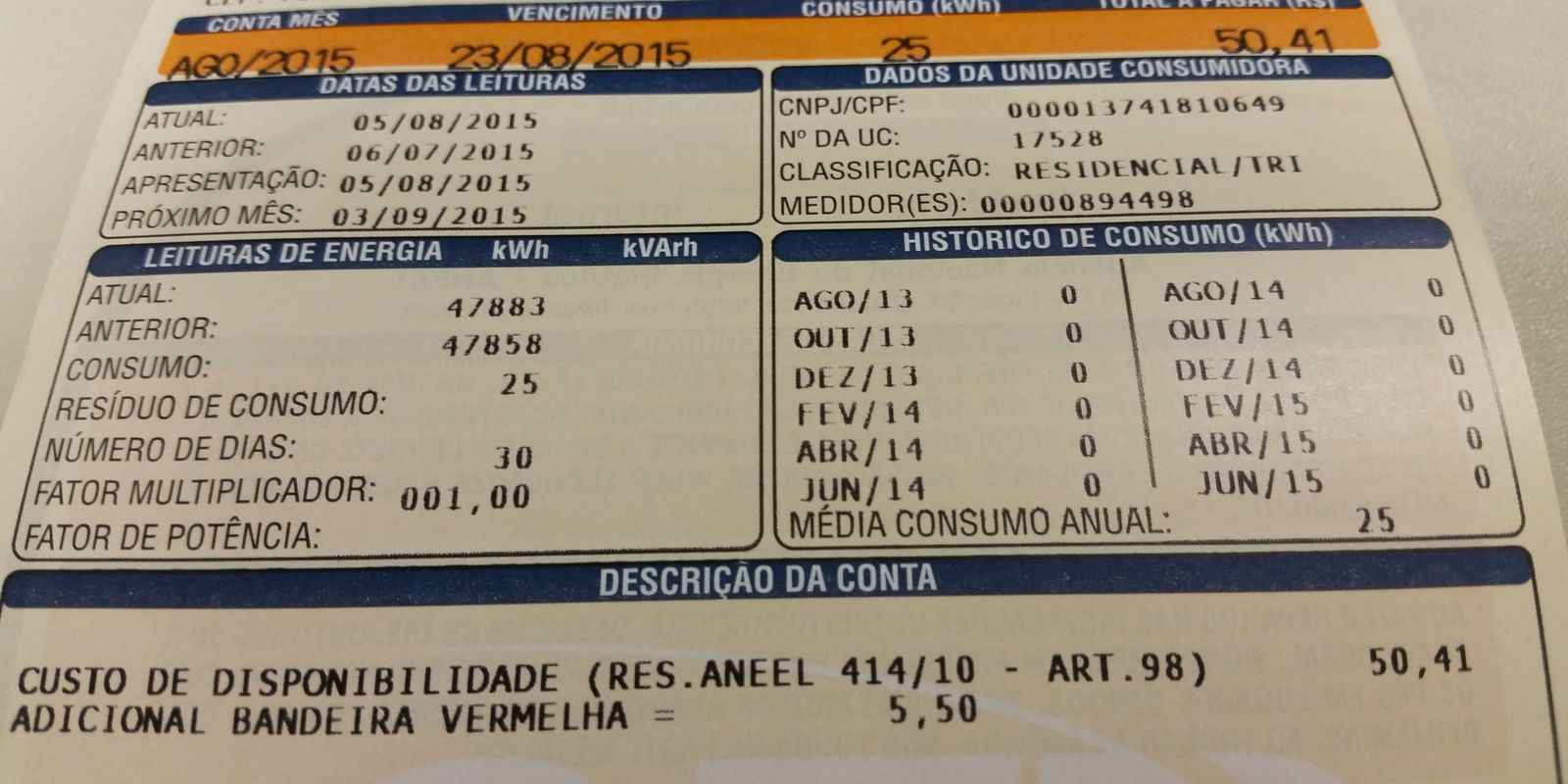
Created in 2015 by Aneel, the tariff flag system reflects the variable costs of generating electricity. Divided into colors, the flags indicate how much it is costing the National Interconnected System (SIN) to generate the energy used in homes, commercial establishments and industries.
When the electricity bill is calculated using the green flag, there is no increase. When the red or yellow flags are applied, the bill increases for every 100 kilowatt-hours (kWh) consumed.