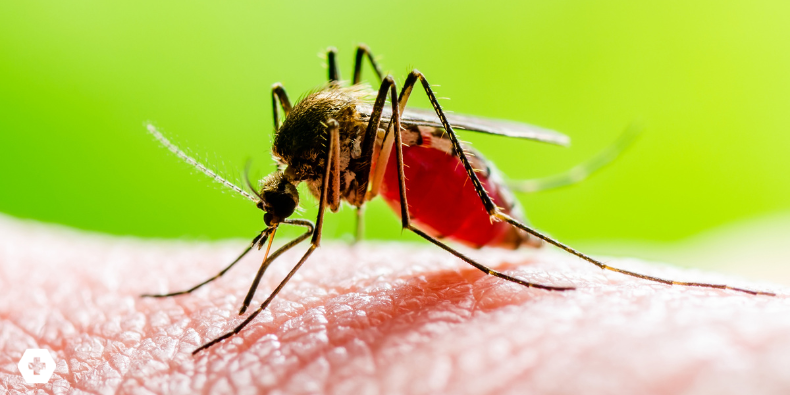
Santo Domingo. – Exactly 11 years ago, we did not see his face. This viral disease transmitted by Aedes aegypti mosquitoes and Aedes albopitusthe same demons that transmit dengue and Zika, we have it again with us.
He debuted on stage epidemiological Dominican Republic with a large outbreak in 2014, when the country faced a massive epidemic that affected half a million people in a few months.
It was, at that time, the largest outbreak in Latin America, thanks to that ineffable virus that was first detected in Saint Martin in 2013 and spread rapidly throughout the region.
At that time, the Dominican health system was pressured by the magnitude of cases, with overcrowded hospitals and high demand for primary care.
And, as a reminder, the Dominican Society of Pediatrics planted weapons against this ferocious epidemic that had no qualms in age and hit boys, girls and adolescents with a bat.
You may be interested in reading: Three cases of chikungunya detected in the Dominican Republic
Between 2014 and 2015 it had a rate close to 30 percent of the population it affected, with an uncomfortable impact on absenteeism from work, pressure on the health system and costs in fumigation and prevention campaigns.
Since then its sun did not shine on us, but it was there, lurking like a man under the unfaithful woman’s window, as a regional threat.
The Ministry of Health confirmed three cases in the country, all from Cuba, arrived through travelers from the neighboring Caribbean nation, where the outbreak is practically uncontrolled.
Preparation and vigilance are key to avoiding new epidemics. Today, although the cases are imported, the memory of the 2014 outbreak remains a reminder of vulnerability to viruses.