In Cuba, recovery becomes more difficult: there are no basic medications such as paracetamol and many patients “have no choice but to endure.”
MIAMI, United States. – The joint pain that persists after chikungunya is not “a temporary discomfort,” but rather a condition of post-viral arthritis that can last for months and limit daily life. This was warned by the “Ramón González Coro” Gynecobstetric Teaching Hospitalfrom Havana, in a note published on its official Facebook profile, just when Cuba faces an outbreak of chikungunya that has already spread to 14 provinces and aggravates a health system devastated by the shortage of medicines, equipment and basic resources.
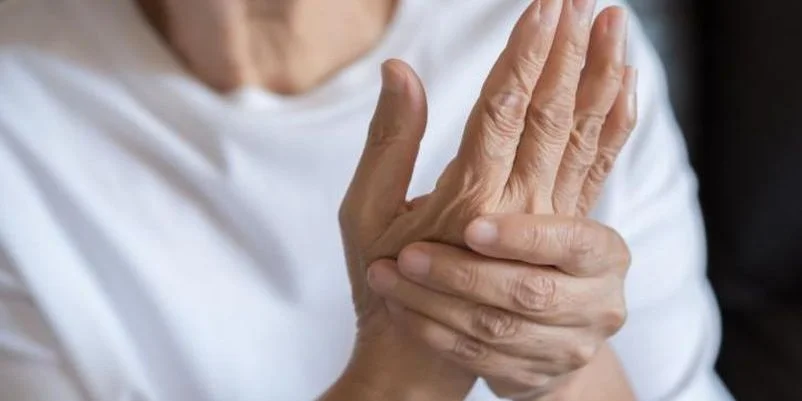
According to the report signed by Dr. Loysel Peláez Morales, from González Coro, “joint pain in the hands after chikungunya infection corresponds to a picture of postviral arthritis,” with persistent inflammation of small joints and tendons. The hospital describes symptoms such as morning stiffness, a sensation of swollen fingers and functional limitation that partially improves during the day, and explains that these symptoms are related to the activity of the immune system even after the febrile phase has passed.
The center warns that residual inflammation can last for weeks or months, with alternating periods of improvement and worsening, and that in some cases tenosynovitis and transient compression of the median nerve appear, with manifestations similar to carpal tunnel syndrome. Specialists recommend paying special attention to marked swelling, recurrent fever or loss of muscle strength, and seeking medical advice in the event of these warning signs to rule out complications and ensure adequate follow-up.
According to the González Coro note, “clinical management includes non-steroidal anti-inflammatories, gentle physiotherapy and the use of night splints”, while corticosteroids are reserved for cases of disabling pain. The text adds that “supplements such as B complex vitamins and Omega-3 fatty acids can contribute to recovery” and that rheumatology evaluation is necessary if the inflammation persists for more than eight weeks.
The recommendations are aligned with the guides of the World Health Organization (WHO) for the management of chikungunya. This organization insists that there is no specific antiviral to treat the disease and that treatment is mainly symptomatic: rest, good hydration and analgesics such as paracetamol, reserving non-steroidal anti-inflammatory drugs (NSAIDs) for phases in which dengue has been ruled out, due to the risk of hemorrhage.
The United States Centers for Disease Control and Prevention (CDC) match in which the approach is limited to “rest, fluids and analgesics and antipyretics”, without antiviral treatment or specific cure.
However, in Cuba recovery becomes more difficult: there are no basic medications such as paracetamol and many patients “have no choice but to endure” the pain on an empty stomach, according to the AFP agency. The same medium collects testimonies from patients who cannot even buy chicken and who face the disease without painkillers, in the midst of piles of uncollected garbage due to lack of fuel and a drastic drop in fumigation campaigns due to a shortage of foreign currency.
In this context, the official recommendation of NSAIDs, B complex vitamins and Omega-3 collides with the reality of a country where the shortage of commonly used drugs has become chronic and where many of these products are only found at prohibitive prices in the informal market or in foreign currency stores.
A national outbreak in the midst of a health crisis
The González Coro’s call comes in the midst of an arbovirus outbreak that the Ministry of Public Health (MINSAP) itself describes as a “complex epidemiological scenario.” In a recent updatethe national director of Epidemiology, Francisco Durán, reported that increases in febrile cases are observed in 68 municipalities of the country, with dengue present in almost all provinces and “confirmed transmission” of chikungunya in 14 provinces.
The MINSAP recognize that chikungunya has become the arbovirus that most worries the population, and that its expansion has been favored by summer population movement, adverse environmental conditions and, above all, the difficulties in applying traditional vector control measures.
The national head of Surveillance and Vector Control, Dr. Madelaine Rivera, admitted in the Round Table that the country has a limited number of fumigation equipment (“bazookas”), which are not produced in Cuba and depend on imports that are currently held back by the economic crisis and external restrictions, which has deteriorated the available technological park.
An evaluation of the International Federation of Red Cross and Red Crescent Societies on the outbreak of dengue, chikungunya and Oropouche in Cuba describes “a rapid increase” in suspected cases throughout the country and points out a “particularly critical” situation in Matanzas and the eastern provinces of Granma, Santiago de Cuba and Guantánamo. The document identifies “critical gaps” in the availability of fumigation equipment, mosquito nets and vector control supplies, as well as low levels of community awareness and weak surveillance systems at the local level.
In this scenario, MINSAP’s emphasis on the fact that “the majority of people recover completely within three months after infection” and that only “a small group” evolves into chronic forms, as stated by infectious disease specialist Daniel González Rubio in the Round Tablecontrasts with international evidence that places the burden of chronic disease in much higher ranges.
Rheumatic sequelae and a system without resources to treat them
The note from the Ramón González Coro Hospital confirms that the Cuban health system is beginning to openly recognize these consequences. By describing symptoms of tenosynovitis, compression of the median nerve and disabling pain, the hospital is in line with what scientific literature calls “chronic chikungunya disease,” which can last for years and can be confused with rheumatoid arthritis.
However, neither the González Coro statement nor the official authorities address in detail how the treatments they recommend will be guaranteed, in practice. The PAHO guide For the clinical management of chikungunya, it suggests that, once dengue has been ruled out, NSAIDs, physiotherapy and, in severe inflammatory forms, even corticosteroids in controlled doses can be used, always under specialized supervision.
But the same PAHO emphasizes that the disease can leave patients “severely disabled” by pain, stiffness and joint swelling, with a direct impact on work and tasks of daily living.