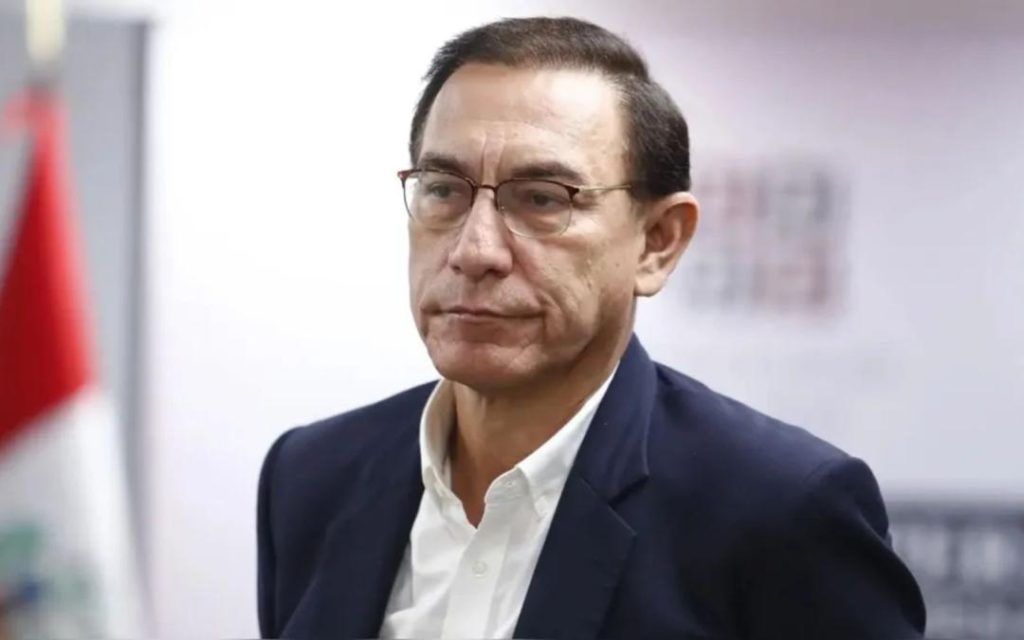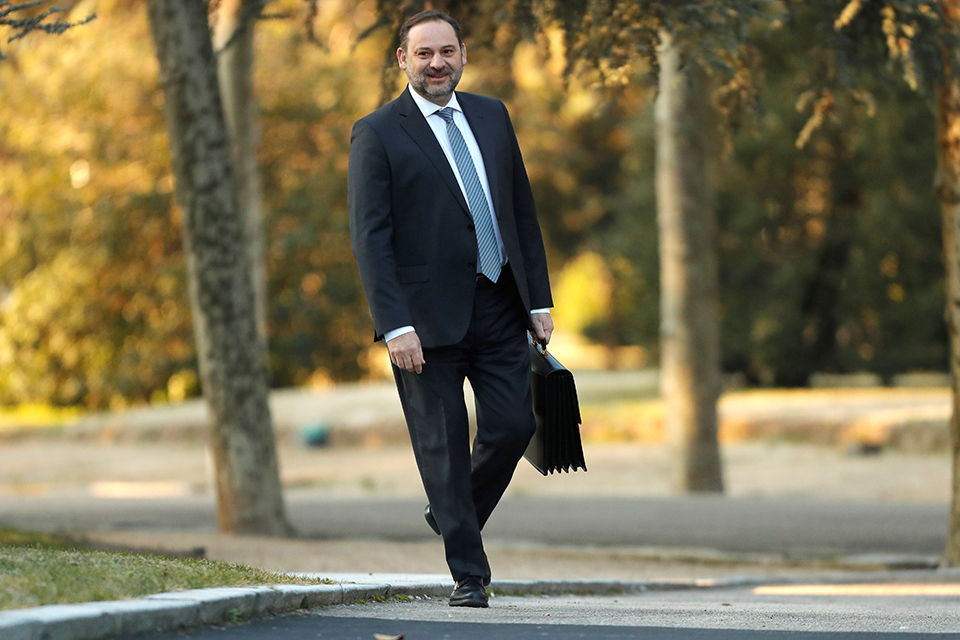
According to the document presented by the Prosecutor’s Office on November 19, 24 years in prison was requested for Ábalos and 19 and a half years for Koldo García. For Víctor de Aldama he asked for seven years
This Thursday, November 27, a Spanish judge agreed to the provisional imprisonment of José Luis Ábalos, former Minister of Transport and former close collaborator of the President of the Government, Pedro Sánchez, who is being investigated for an alleged case of corruption.
His former assistant, Koldo García, also involved in this complex case that investigates the irregular sales of masks to administrations during the Covid-19 pandemic, must also be placed in provisional prison to avoid the risk of escape, as specified by the magistrate in a statement.
“In addition to there being more than enough evidence of the possible commission of serious criminal acts, the possible risk that these accused could escape the action of justice is, at this time, extreme,” explains the note, referring to Ábalos, who was relieved of his position as minister in 2021 but is still a deputy, and García.
At the beginning of the month, Supreme Court Judge Leopoldo Puente had already requested that both, as well as the businessman Víctor de Aldama, be sent to trial for the commission of the possible crimes of integration into a criminal organization, bribery, use of privileged information, influence peddling and embezzlement.
In its indictment, made public on November 19, the Prosecutor’s Office requested 24 years in prison for Ábalos and 19 and a half years for Koldo García. For Víctor de Aldama he asked for seven years.
The Public Prosecutor’s Office denounced in its letter the “aim for enrichment” of the three investigated, who had concluded a “criminal agreement”, in which “each of them assumed a diverse and complementary role.”
The three, adds the Prosecutor’s Office, took advantage of the position occupied by Ábalos within the Spanish government to “favor (…) contracting with the Public Administration whenever there was an opportunity, by companies whose interests Víctor de Aldama would capture and promote.”
This complex investigation, with multiple aspects, also indirectly affected the former number three of the Spanish Socialist Workers Party (PSOE), Santos Cerdán, who succeeded Ábalos in this key position, and who is also being investigated for corruption.
After five months in provisional prison, Cerdán was released on parole last week.
A name that is not foreign to Venezuela
In June of this year, Venezuela’s name came up again in the corruption scandal in Spain, known as the “Koldo case” involving former Transport Minister José Luis Ábalos, advisor Koldo García and businessman Víctor de Aldama.
According to a report from the Central Operational Unit (UCO) of the Civil Guard in which it refers to an audio from April 9, 2019, the then advisor to the Minister of Transport, Koldo García Izaguirre, asked him to call Pedro Sánchez to close a deal.
OK to the conversation between Koldo and Ábalosthe former Minister of Transportation would receive a commission of 500 thousand euros per month if he managed to arrange a meeting between the president of the Spanish government, Pedro Sánchez, and Juan Guaidó, then leader of the Venezuelan opposition and “interim president of Venezuela.”
In October of last year, the President of the Spanish Government, Pedro Sánchez, offered “apologies to the citizens” for the corruption scandal in the so-called “Koldo case.”
“It is a case of corruption that I regret and apologize to the citizens, we acted from the beginning,” Sánchez highlighted in the Spanish Congress for said case, which in addition to Ábalos involves Koldo García and the businessman Víctor de Aldama; all involved in the so-called “Delcygate” of January 2020 when Vice President Delcy Rodríguez arrived at Barajas airport due to the ban on entering the Schengen area due to sanctions.
With RFI information
*Journalism in Venezuela is carried out in a hostile environment for the press with dozens of legal instruments in place to punish the word, especially the laws “against hate”, “against fascism” and “against the blockade.” This content was written taking into consideration the threats and limits that, consequently, have been imposed on the dissemination of information from within the country.
Post Views: 177