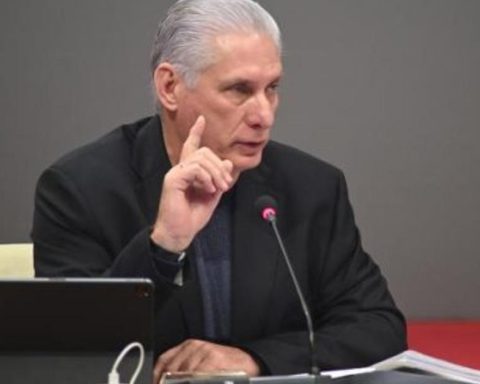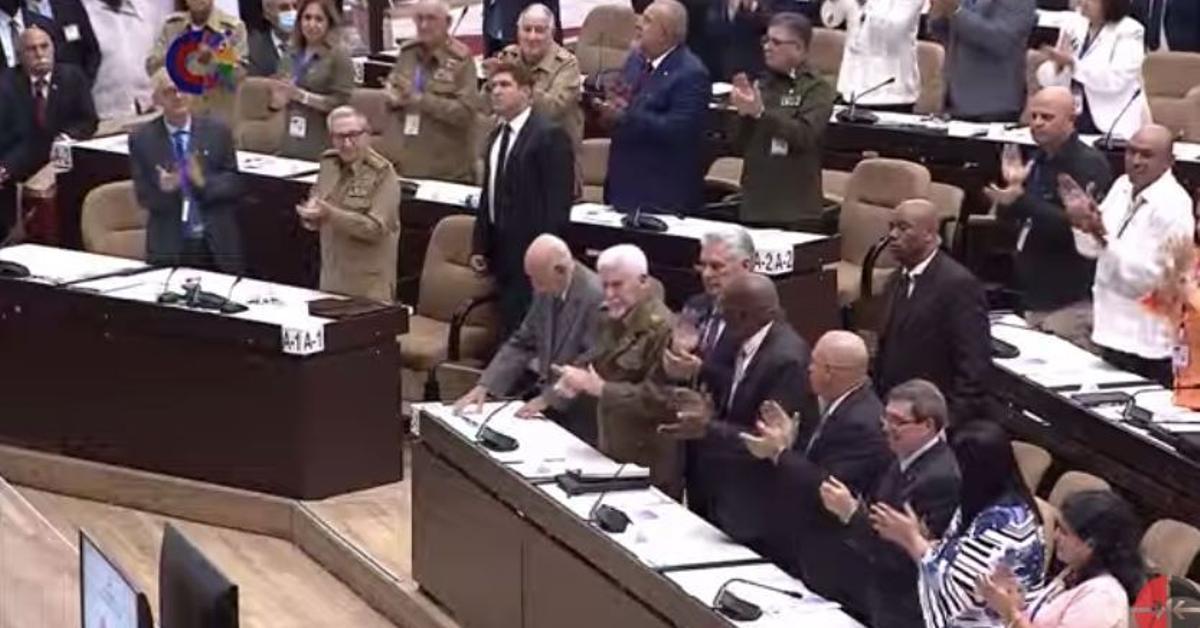
Havana/The National Assembly of People’s Power convened this Wednesday for its next ordinary session, which will begin on December 18, with an agenda focused on the fight against the economic crisis.
The call, published in the Official Gazette and reproduced in the State press – will be preceded by three days of prior meetings in which the deputies will analyze “more than 90 issues on the national agenda, which directly impact the population.” The working committees will receive reports from the ministers of each area, in charge of explaining the balance and proposals for next year.
In this session – the second of the year, after July –, the objectives and goals of the economy for 2026 will be presented, as well as the analysis and discussion of the State Budget bill.
In these sessions, the measures will foreseeably be addressed during this week within the framework of the Havana Fair
During these sessions, the measures will foreseeably be addressed during this week within the framework of the Havana Fair. The plan plans to attract more foreign investments by giving greater freedom in hiring labor, facilities to operate in foreign currencies and access to underused structures in the country.
This will require, said the Vice Minister of Foreign Trade and Foreign Investment of Cuba, Yanet Vazquez, modifications in the current legislation, among them “more structural and profound changes will be endorsed in a new Foreign Investment Law, whose bill they plan to present to the National Assembly of People’s Power in December 2026.”
Numerous users have asked on social networks and comments in the official press that the deadlines not be extended so much, since the horizon is one year only to present a project.
In the short term, work is being done to modify Decree 325, the regulation of the current law, to speed up procedures and reduce bureaucratic times.
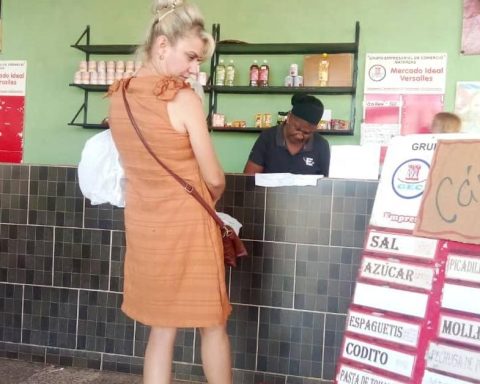
This session will take place in the midst of an economic crisis aggravated by the recent impact of the powerful Hurricane Melissa, which has added to the energy crisis that the country is suffering with prolonged blackouts due to breakdowns, lack of fuel and maintenance on obsolete thermoelectric plants, high inflation, growing dollarization and shortages of basic products.
Before the parliamentary meeting, a plenary session of the Central Committee of the Communist Party of Cuba will take place on December 12 and 13, which will focus its debates on the economy and the serious damage that Melissa left in the eastern region of the Island.
Before the parliamentary meeting, a plenary session of the Central Committee of the Communist Party of Cuba will take place on December 12 and 13, which will focus its debates on the economy.
As recently reported by the formation, the session will evaluate compliance with the so-called “Government Program to correct distortions and re-boost the economy, the set of reforms and savings measures in the face of the crisis.”
For 2025, gross domestic product (GDP) growth was set at 1%, which the country will not achieve. The latest forecast from the Economic Commission for Latin America and the Caribbean (ECLAC) estimates an economic contraction of 1.5%, the second worst projection in the region (only behind Haiti).
The Cuban economy has contracted 11% in the last five years due to the combination of the pandemic, the tightening of US sanctions and failed internal monetary and economic measures.