Castroism needs to put an end to its alleged monopoly on the contracting and marketing of agricultural products.
HAVANA, Cuba. – “Prices are growing”, express the Minister of Economy and Planning, Joaquín Alonso Vázquez, in a recent Round Table of Cuban Television that dedicated itself to analyzing the “Government program to correct distortions and re-boost the economy,” which these days is being debated in mass organizations related to the regime.
“More than a million price violations have been detected in different sectors of the economy, which has led to the imposition of fines and measures to be taken against those responsible,” said the minister.
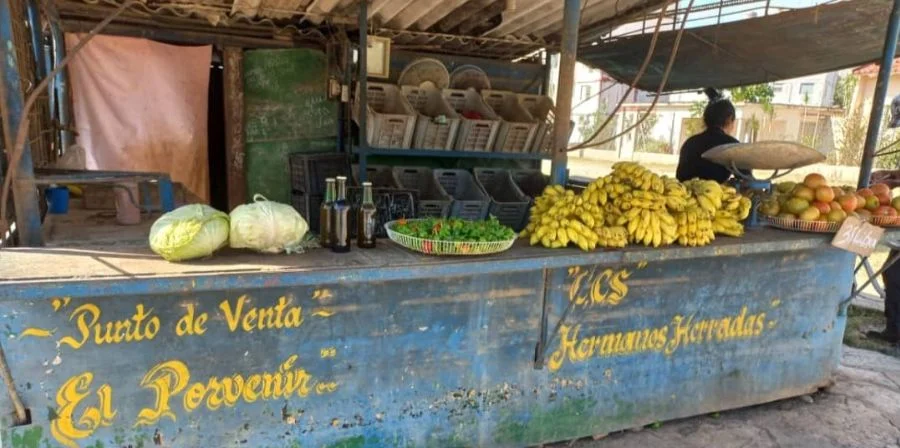
There is almost a consensus in the sense that the different agricultural markets are the ones that best measure the way in which prices are behaving for the population, as they are the establishments that receive the most visits from the average Cuban.
There is also unanimous opinion that a greater supply of products is needed so that prices can be lowered. But a greater supply of agricultural products not only has to do with the production levels reached, but is also related to the type of marketing that is carried out.
The Castro hierarchy, for some time now, has developed an initiative with a view to contracting the largest quantity of production in the sector, and thus taking the products to the state markets, closing the way to private marketers, who would efficiently and quickly transport the merchandise to the supply-demand markets.
Once state contracting is completed, producers must wait for the Government’s marketing companies (called the collection system) to collect the production and take it to the retail markets. And that’s where the process gets stuck: the state marketing companies are extremely inefficient. They often do not come and the products end up getting lost in the fields. When they don’t lack the fuel to operate the means of transportation, they lack the packaging, or they get lost in the web of bureaucracy.
The result: less supply of products on the shelves, more money in circulation, increased hunger among consumers and prices that continue to rise.
Now, as a result of this process of discussion and analysis of the “Government program to correct distortions and re-boost the economy”, there are those who believe that it is time for the Castro machinery to understand that a lower state presence in agriculture – both in production and marketing – is what is needed for our fields to provide the food that the population needs.
In that sense they rely on the words he spoke in the aforementioned Round Table, the brand new deputy prime minister Oscar Pérez-Oliva Fragawhen referring to national food production, one of the 10 general objectives of the program. This is what the official said: “The program conceives the improvement and updating of the mechanisms for contracting and collecting agricultural products. The definitive solution is to encourage production, increase supply and allow different actors to compete in the market to meet customer demand.”
However, those who know the totalitarian essence of Castroism doubt that this “improvement and updating” of the contracting mechanisms expressed by the also Minister of Foreign Trade and Foreign Investment truly means the end of the alleged government monopoly on the contracting and marketing of agricultural products.