In the 2025 Social Progress Index, which gives a maximum score of 100 points, Mexico City, Aguascalientes, Querétaro, Nuevo León and Coahuila reported the best quality of life, with an average of 72 points.
On the contrary, Guerrero, Chiapas, Oaxaca, Veracruz and Tabasco were positioned with the lowest quality of life standards.
Health and education crisis
On average, Mexico obtained a score of 65 points on the Social Progress Index. This is an improvement compared to 2015, when it reached 58.6. But what limits significant progress is the decline in access to health services and educational lag.
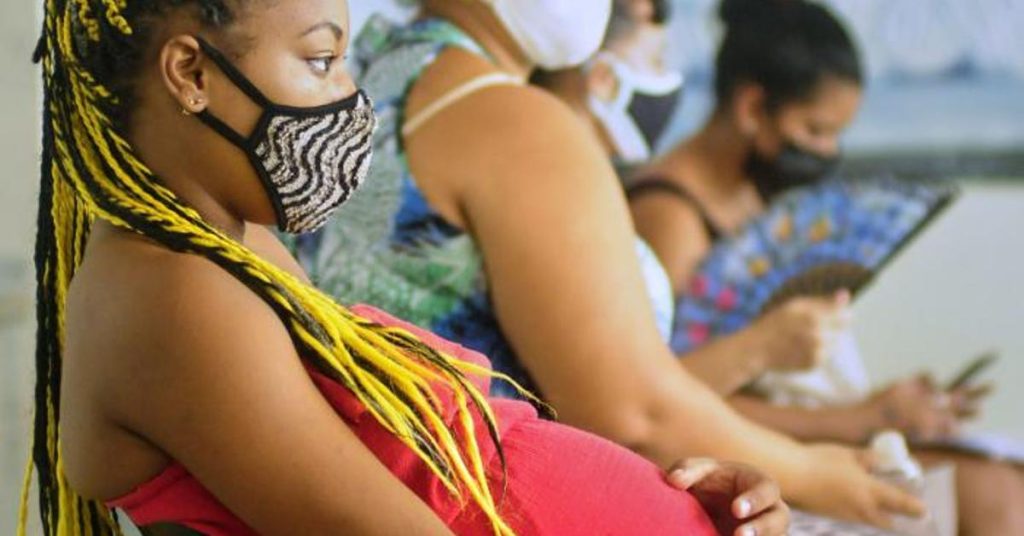
A third of the population does not access health services in a timely manner; Seven out of 10 Mexicans receive care in the private sector and increasingly spend more out of pocket on medical care.
“The crisis in the health system is directly affecting social progress. We are not guaranteeing that everyone has access to health services, but only those people who can pay for it or who are affiliated with a health scheme associated with employment, such as the IMSS or the ISSSTE,” said Sofía Ramírez.
In terms of education, basic school enrollment is below pre-pandemic levels, the report notes. And, from 2015 to 2024, only four states recorded progress in access to basic knowledge: Tabasco, Sinaloa, Colima and Aguascalientes.
But, in the last year, Sinaloa also faces deteriorations, as documented by Mexicanos Primero.
“Sinaloa fell back in attendance due to violence, threats to teachers, extortion to schools,” explained Patricia Vázquez, director of the organization.
In the remaining 28 states there are setbacks in basic knowledge. The greatest deteriorations are recorded in Yucatán, Quintana Roo, Mexico City and Nuevo León.
“Mexico is going through a silent crisis in education that no one notices because we don’t die from it, but it is the setback that affects social mobility and future productivity,” said the director of Mexico, how are we doing?