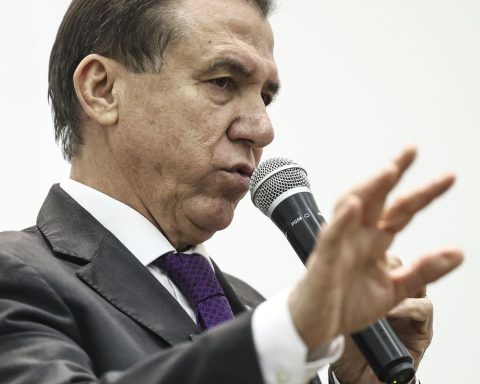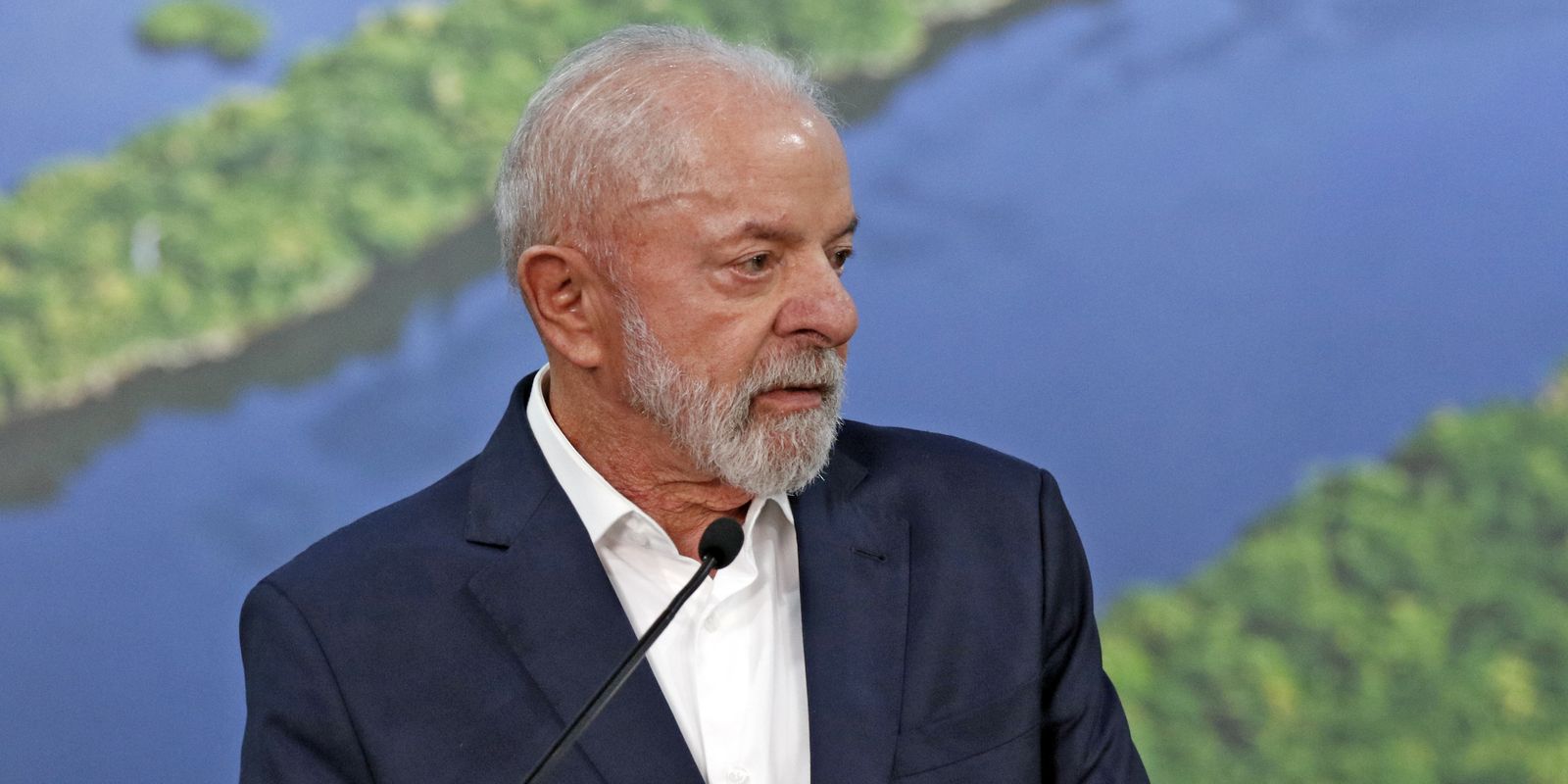
President Luiz Inácio Lula da Silva stated, this Sunday (23), that the free trade agreement between Mercosur and the European Union (EU) will be signed on December 20. 
This semester, Brazil is in the presidency of the South American bloc and Lula made finalizing the agreement with the Europeans a priority.
“It’s an agreement that involves practically 722 million inhabitants and US$22 trillion in Gross Domestic Product (GDP). It’s an extremely important thing, it’s possibly the biggest trade agreement in the world. And then, after signing the agreement, there will still be a lot of work for us to start enjoying the benefits of this agreement, but it will be signed”, he added.
Lula gave an interview to the press in Johannesburg, South Africa, where he participated in the G20 Leaders Summit – groups of the largest economies in the world.
The European Union and the bloc formed by Argentina, Brazil, Paraguay and Uruguay completed negotiations on the agreement last December, around 25 years after the start of talks. Two texts will be signed: the first of an economic-commercial nature, which is provisionally valid, and a complete agreement.
In September, they were formally submitted by the European Commission to the European Parliament and the member states of the European bloc. The European Parliament needs to approve it with a favorable vote of 50% of the deputies plus one, which could have resistance from countries like Francewho question terms of the agreement.
Furthermore, at least 15 of the 27 countries need to ratify the text, representing at least 65% of the total population of the European Union, which could take several years. When the full agreement comes into force, it will replace the interim trade agreement.
Mercosur countries need to do the same and submit the final document to their parliamentarians, but entry into force is individual, that is, there is no need to wait for approval from the parliaments of the four member states.
Protectionism
France, the largest beef producer in the EU, classified the agreement as “unacceptable” saying that it does not take into account environmental requirements in agricultural and industrial production. President Lula countered, stating that France is protectionist regarding its agricultural interests.
European farmers have protested several times, saying the deal would lead to cheap imports of commodities South American products, mainly beef, which do not meet EU food safety and ecological standards. The European Commission has denied that this is the case.
Brazil defends that any regulation on safeguards that is adopted internally by the European Union is in full compliance with the spirit and terms agreed in the agreement.
The commission and proponents, including Germany and Spain, say the deal offers a way to offset lost trade due to tariffs imposed by Donald Trump and to reduce dependence on China, particularly for key minerals.
Supporters of the deal in the European Union see Mercosur as a growing market for European cars, machines and chemicals and a reliable source of minerals essential to its green transition, such as lithium metal for batteries, for which Europe now depends on China. They also point to agricultural benefits, as the deal would offer greater access and lower tariffs for EU cheese, ham and wine.
Agenda
During the press interview, Lula also clarified that the signing of the agreement should take place in Brasília, when there will be the Mercosur Leaders Summit, on December 20, in Foz do Iguaçu.
According to him, on this date, the president of Paraguay will not be able to be present, so the high-level meeting should be held at the beginning of January, in Foz do Iguaçu (PR), in the triple border region between Brazil, Paraguay and Argentina.
“Possibly we will schedule the Mercosur meeting for the beginning of January and sign [o acordo] on December 20th,” he said.
*With information from Reuters news agency