By Cesar Quishpe VasquezResearcher, University of Navarra.
The COP30 held in Belém this month of november 1 It comes at a critical time for cities. Climate change is no longer a distant scenario, but a reality that affects health, mobility and urban environmental quality.
Spain is no exception: more intense heat wavespersistent pollution and growing demand for green spaces are redefining public priorities. Understanding what COP30 represents and how it can drive healthy urban policies is key to moving forward towards resilient and sustainable cities.
The global relevance of COP30
The conference brings together the Parties to the United Nations Framework Convention on Climate Change between November 10 and 21, 2025. It is celebrated to coincide with the tenth anniversary of the Paris Agreementand twenty years since the Kyoto Protocol, which underlines the need to move from statements of intent to concrete results that impact people’s lives.
The Brazilian presidency has defined as priorities strengthen multilateralism, accelerate the implementation of the Paris Agreement and link climate action with the daily lives of communities.
He United Nations Environment Program (UNEP) organizes COP30 into six axes: energy transition, ecosystem management, food systems, urban and water resilience, human and social development, and catalysts such as financing, technology and training. This framework opens space to address urban issues such as air quality, green infrastructure, sustainable mobility and citizen participation.
The European and Spanish vision
The European Union has updated its Nationally Determined Contribution, proposing a reduction in net emissions between 66.25% and 72.5% by 2035 compared to 1990. This commitment not only requires mitigation, but also adaptation, a fair energy transition and attention to the most vulnerable groups.
In Spain, these objectives are translated into national legislation and urban planning, placing cities as essential actors to comply with climate commitments.
Urban impacts of climate change
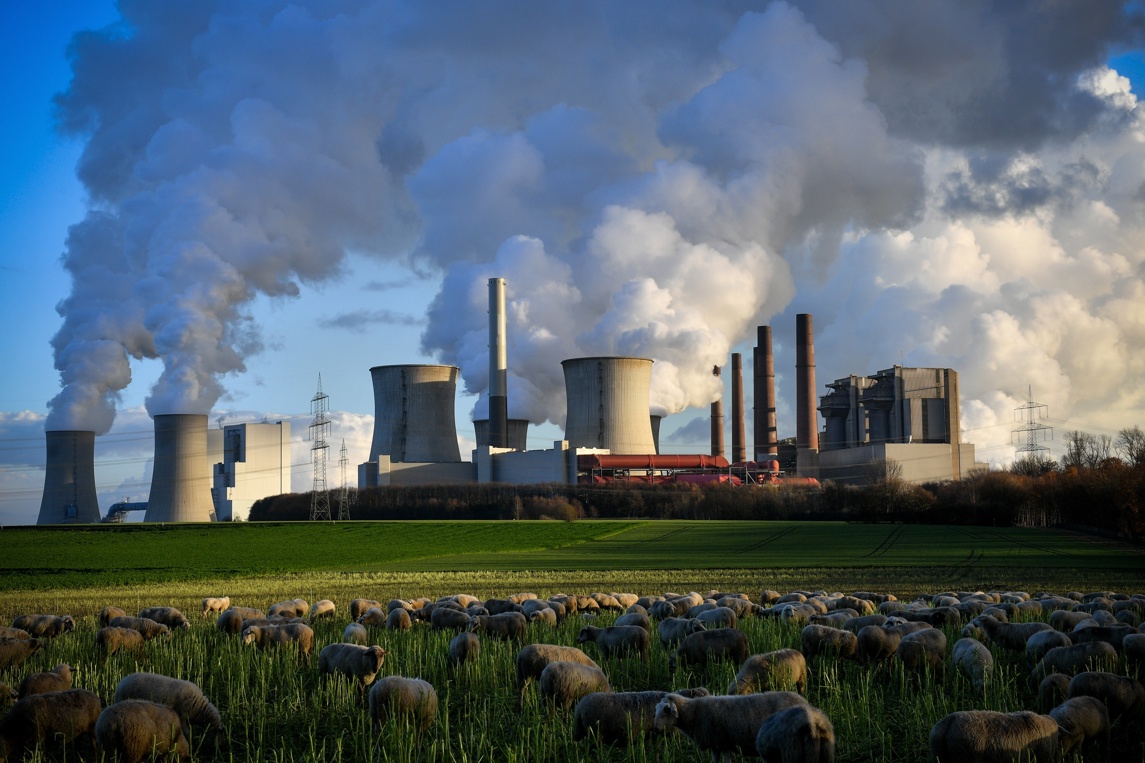
Climate change affects cities both through extreme events and in everyday life. Polluted air, loss of vegetation, urban heat and noise especially impact the most vulnerable people. In Spain, factors such as heavy traffic, aging car fleet and frequent heat waves generate less healthy urban environments.
At the same time, the interest in Nature-based solutions offer opportunities to regenerate urban spacesincrease biodiversity and generate tangible social benefits.
Science and innovation for healthy cities
Applied research is key to guiding urban action. From the University of Navarra and the BIOMA Institute, the OPTIGREEN project combines mobile sensors, modeling and satellite data to evaluate how urban vegetation can improve air quality and thermal comfort.
This approach makes it possible to identify critical areas, such as streets with accumulation of pollutants or neighborhoods exposed to high temperatures, and design interventions with a direct impact on urban health. In addition, it is aligned with global strategies focused on health and climate as well as European initiatives such as the Green Dealwhich aims to achieve climate neutrality by 2050 through a package of policy initiatives that transform the economy into a more sustainable, fair and prosperous society
Opportunities and limitations
The decisions adopted in Belém can define international financing frameworks, strengthen urban adaptation and direct investments towards environmental monitoring, sustainable mobility and green infrastructure. This makes it possible to reduce territorial inequalities, improve air quality and promote more habitable environments. Digitalization and sensor networks make it easier to translate scientific evidence into effective public policies.
However, global negotiations have limitations. The focus is usually on energy, industry or agricultureleaving urban challenges with less visibility, despite the fact that cities concentrate the majority of the population and emissions. Environmental monitoring then becomes an instrument of climate justice: it allows identifying the most affected areas and promoting citizen co-responsibility.
COP30 represents a historic opportunity to connect global climate action with tangible urban transformations. Through scientific research, technological innovation and inclusive planning, cities like Pamplona can become benchmarks for resilience, health and sustainability.
Cesar Quishpe Vasquez He is a researcher in the University of Navarra.
1 The summit concluded on November 21, 2025, one day before the publication of this article in OnCuba.
This article was published in The Conversation. Read the original.