Although they have not yet been assumed by the majority of consumers and cardholders, payment through the use of digital wallets registered considerable growth between January and September of this year.
Although they only represented 7% of the total operations of payments contactless via cards, transactions with digital wallets They went from 1.3 million in January 2025 to 2.5 million last September, an absolute increase of 1.1 million in that period.
According to the statistics of the Central Bank of the Dominican Republic (BCRD), only during the ninth month of this year, the payments Through these digital tools they represented 4,351.6 million pesos, an amount that doubled the 2,263 million registered in January.
Of the aforementioned period, the amount and number of transactions through the digital wallets occurred in Augustmonth in which just over 2.5 million operations were carried out for 4,526.2 million pesos.
-
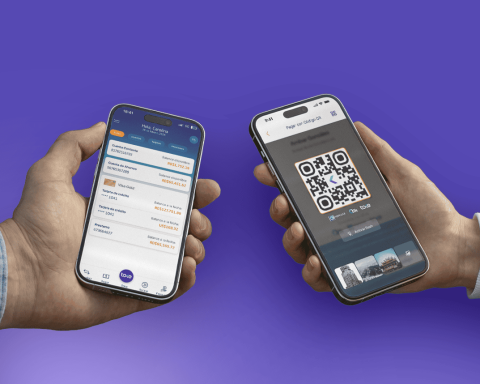
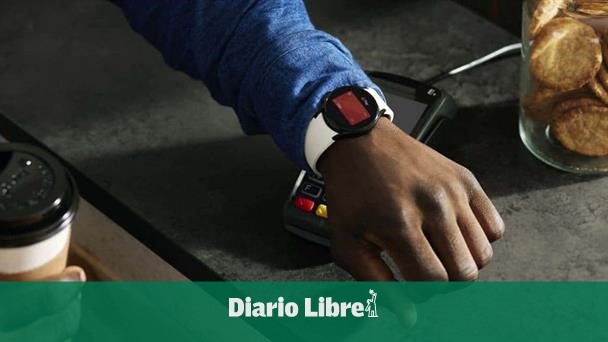
This tool allows its users to make payments quickly from a cell phone or digital watch, eliminating the need to carry cash or physical cards. In addition, they facilitate financial planning through detailed expense reports, allow multiple payment credentials to be stored securely and limit physical contact when carrying out transactions, according to a document from the Association of Multiple Banks of the Dominican Republic.
He BCRD considered that the amounts of the operations and the traded value “confirm the continuous advance in the adoption of digital payment methods in the Dominican Republic”.
“The growth of payments contactless reflects a change in consumption habits of Dominicans, who increasingly prioritize speed and safety in their transactions,” establishes the monetary and financial institution in its report.
Payments no contact
Between January and September 2025, 67% of card transactions at point-of-sale (POS) terminals were carried out using contactless technology or NFC (near field communication, for its acronym in English).
And he adds that, of these transactions, 96% corresponded to consumption in local businesses, while the remaining 4% were carried out in international establishments, which shows a high adoption of the payments contactless in the Dominican market.