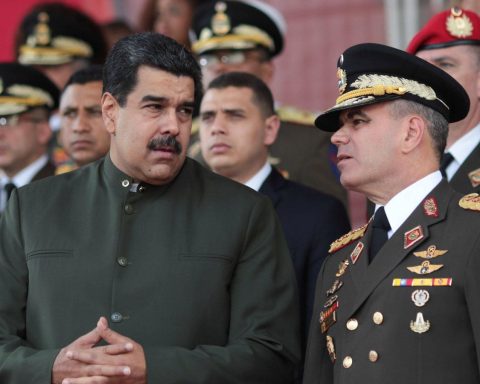
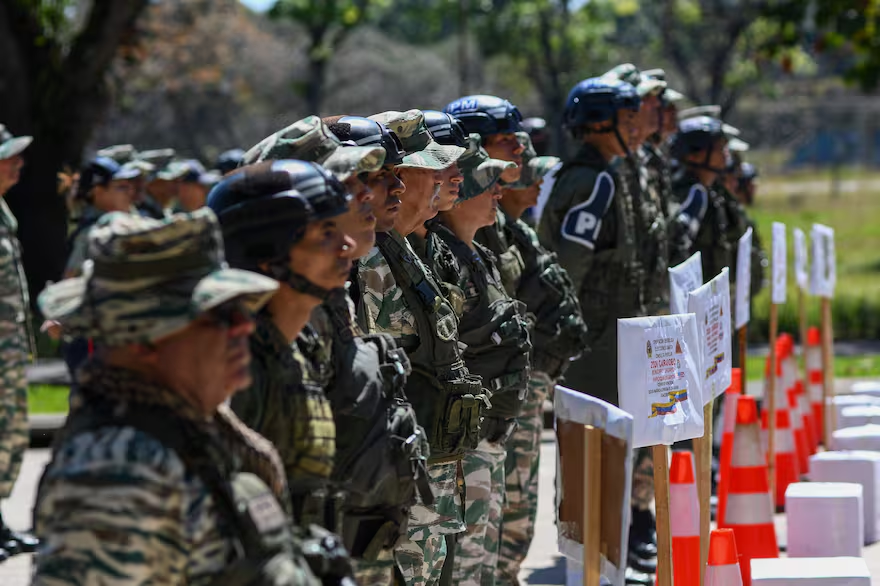
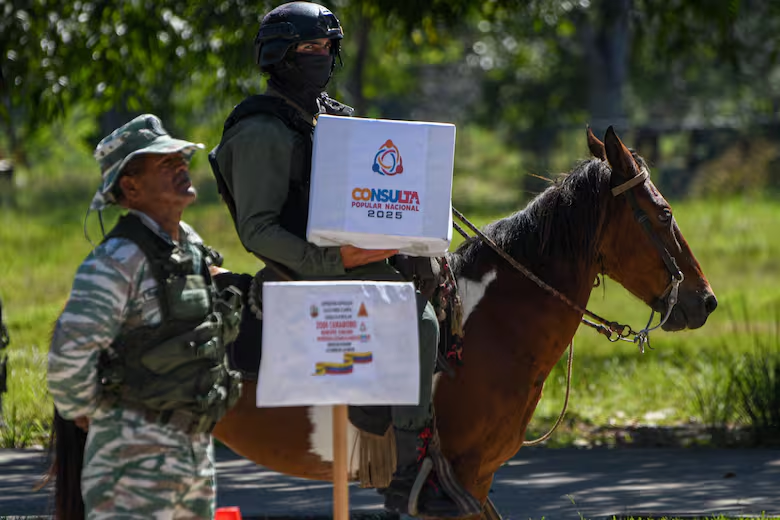
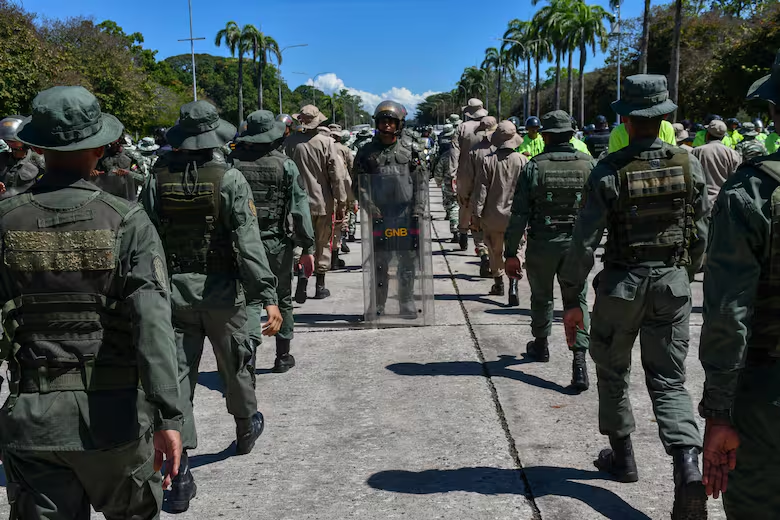
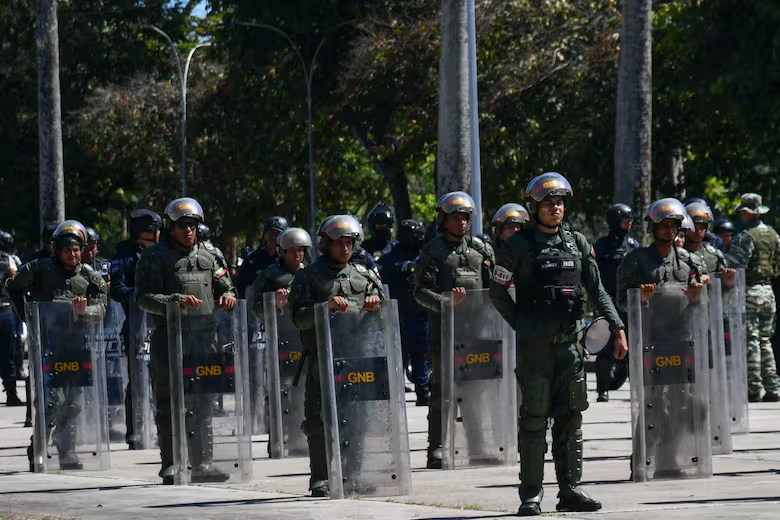
Venezuelan president Nicolás Maduro supervised the deployment of heavy weapons and missiles on Wednesday night in the state of La Guaira – where the country’s main port and international airport are located – as a direct response to the growing United States military movement in the Caribbean. Since August, Washington has maintained a reinforced air and naval presence in the region, which Caracas denounces as a “threat” and an attempt to force a regime change.
In the midst of this tension, the two strong figures of Chavismo exhibited divergent positions. Maduro toughened his speech in the face of North American pressure, while the Minister of the Interior, Diosdado Cabello – considered the number two of the regime – was open to exploring a dialogue with the White House.
The contrast drew attention, especially because in recent days Maduro himself had suggested that he was open to a path of understanding with Washington. However, his visit to La Guaira, where presented a “street by street” defense plan In the face of a possible external attack, it marked a turn towards confrontation and revealed Chavismo’s dual strategy at a time of maximum regional tension.
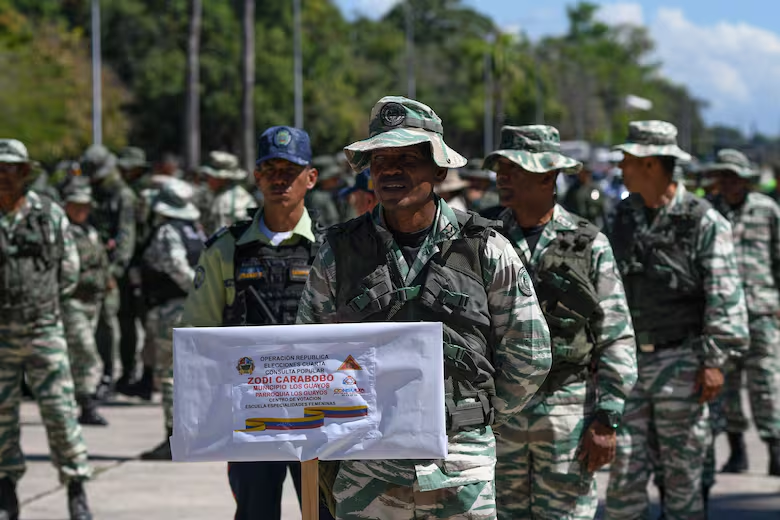
In a message with a defensive tone, the president assured that “The rifles and missiles towards the Caribbean Sea are now ready to defend the Caracas-La Guaira axis”a maneuver that militarizes the main access route to the capital from the central coast in the face of alleged external threats.
Cabello – usually the harshest voice and least inclined to any rapprochement with the United States – surprised by opening the door to bilateral negotiations. He pointed out that “a group of dialogueists has emerged in the United States” and stated that, under conditions of mutual respect, “we talk to anyone.”
His statement suggests an unusual willingness to understand in his speech, traditionally marked by “anti-imperialist” confrontation and a hard line towards Washington.
In an ironic tone, the general secretary of the United Socialist Party of Venezuela (PSUV), in the government, stated that “The famous Grenell route did not die but multiplied more than enough”in reference to Richard Grenell, President Donald Trump’s special envoy for Venezuela, who has publicly defended the possibility of direct negotiations between Caracas and Washington.
Meanwhile, the United States maintains its military deployment in the Caribbean, and Trump himself assures that “does not rule out” either dialogue with Maduro or direct military intervention.
The Venezuelan deployment
“Here it is, the comprehensive defense plan for the entire Caracas-La Guaira axis in detail, street by street, community by community, weapons and weapon system by weapon system,” the Venezuelan president announced during an event broadcast by Venezolana de Televisión (VTV).
Maduro also reported on the deployment of the Bolivarian Militias – a special body made up of civilians with basic training – and assured that Your “weapons park” is already “installed” and “working”.
Aside from the signals sent by the Executive in Caracas, the opposition leader María Corina Machado In an interview with the American network Fox News, he dismissed the sustainability of the military entrenchment of the ruling party. and assured the international community that, despite the tensions, “we will see an orderly transition” in Venezuela.
Machado – censored in the country and unable to appear on Venezuelan radio or television – reiterated before the North American network that a political and institutional change in the short term is, in her opinion, inevitable.
The possible negotiations
The North American president declared on Monday that he does not rule out the deployment of US forces in Venezuela, although he also stated that he was willing to listen directly to Maduro to learn about his proposals and avoid further military escalation in the region.
“I am not ruling anything out, we simply have to take care of Venezuela”the Republican told reporters gathered at the White House.
Later consulted about these statements, Maduro maintained that differences must be resolved through diplomatic means and reiterated that he is willing to dialogue.
However, the minister Cabello denied that there are negotiations with Washington for a regime change and assured that “nothing can put the Maduro government at risk.”reported the Venezuelan media Cocuyo Effect.
In his weekly program, broadcast on the state channel VTV, the official described “it is a lie” that Maduro had offered the US government to hand over power after “two more years” at the head of the country.
Cabello’s statements responded to an investigation published on Tuesday by The New York Timeswhich stated that the White House had rejected a negotiated exit proposal presented by Maduro in indirect contacts between Caracas and Washington.
According to the article, in addition to ordering military and CIA planners to prepare various options for covert measures in Venezuelan territory, Trump also maintained a dialogue with the regime from which Maduro’s proposal to resign would have arrived.
In exchange for the possibility of a peaceful exit and delaying his resignation, the article states, Maduro would have indicated his willingness to offer access to their country’s oil wealth to American energy companies.
The relationship with Colombia
The Colombian government rejected a media version that claimed that Bogotá would support a transition process in Venezuela.
“The government of Colombia respects international law and has no interference in the internal affairs of other countries and respects the sovereignty of the brother country of Venezuela“, expressed this Thursday the Ministry of Foreign Affairs in a statement.
The clarification arose after statements by the Colombian Foreign Minister, Rosa Yolanda Villavicencioin Spain, who told the international press that his country would support an eventual plan for Maduro to leave power and gave way to a political transition process.
“The Ministry of Foreign Affairs would like to clarify that the information that has circulated in the media in recent hours about alleged support from Colombia for a plan for the negotiated departure of Nicolás Maduro from power does not correspond to what was expressed by Chancellor Villavicencio Mapy in the interview”, assured the Foreign Ministry.
The portfolio added that Bogotá maintains a “historic relationship of respect” with Caracas and maintained that “this cannot be affected by decontextualized information published in the media.”