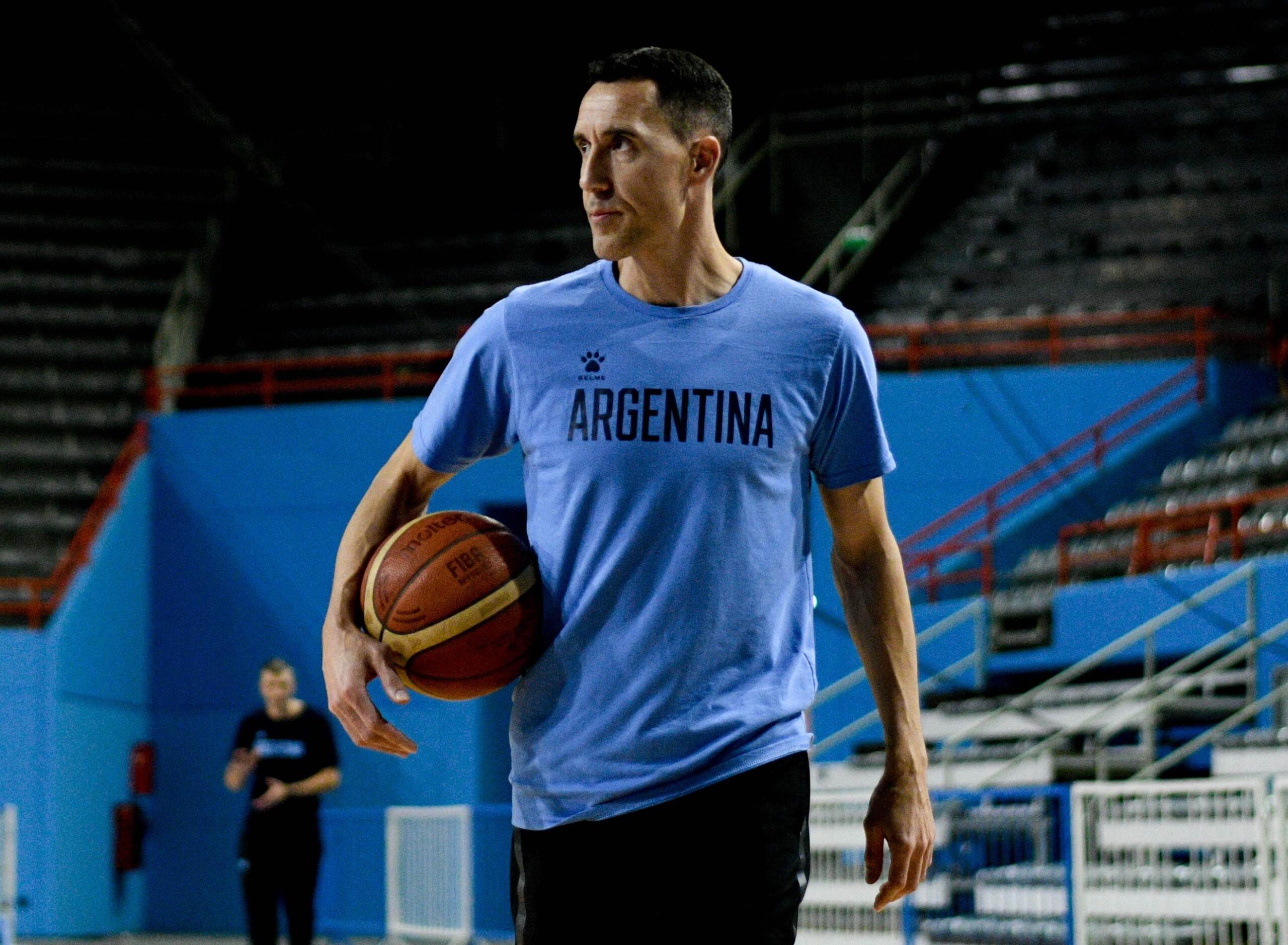
When on November 27 Havana hosts the duel between Cuba and Argentina corresponding to the qualifying round for the next World Cup basketballthe South American squad will not have its coach Pablo Prigioni and his assistant Hermán Muelo on the bench.
Both technicians have preferred not to travel to the Cuban capital to avoid immigration problems derived from United States sanctions on the island.
Highlight the Argentine environment Basketball Plus that, if they do so, both could face difficulties in later entering US territory – where they currently reside – due to the Trump Administration’s increasingly aggressive policy against Cuba on this issue.
“Here the limitations of the United States blockade of Cuba come into force. Mainly for the residents, the Americans will not allow return if they set foot on Cuban soil,” the publication underlines.
Prigioni, a former NBA player, holds a position as an assistant for the Minnesota Timberwolves, a position also held by Melle, but with the Sioux Falls Skyforce that participates in the G-League.
Argentine basketball officials have confirmed that the team that will be presented at the Ciudad Deportiva Coliseum will be under the command of Nico Casalinda.
They also announced that Prigioni and Mlé will return to perform their duties in the return duel between both teams, which will be held on December 1 at the Obras venue, in Argentina.
The media recalls that to make the decision, the “known problems between both countries” were taken into account, in reference to the political dispute between Cuba and the United States that has lasted for more than six decades.
Official: Cuban basketball without visas to travel to Puerto Rico
Recurring problem
The conflictive relationship, exacerbated after Trump’s return to the White House, already had an impact on basketball, when the Cuban team had to appear for a game against the United States with only seven players, due to delays in issuing visas for the rest of the squad.
In February of this year, the situation escalated, as no player from the island received authorization to enter Puerto Rico, which had to be issued by the United States due to that country’s condition as a Free Associated State. Consequently, the island’s representative could not close the qualifying segment of the AmeriCup and was excluded from this tournament.
The worsening of the problem extended even beyond Cuba, since last July the Brazilian table tennis player Hugo Calderano, then number three in the world ranking, was unable to travel to the United States to participate in a tournament due to consular problems derived from a visit to Cuba two years ago.
The American authorities informed the player – also a Portuguese national – that he was no longer eligible for the visa exemption provided for European Union citizens through the electronic ESTA system.
Calderano explained that the Department of Homeland Security linked the ineligibility to a trip to Cuba that he took in 2023 for the Pan American Championships and the qualifying round for the Paris 2024 Olympic Games.
Brazilian athlete prevented from traveling to the US for competing two years ago in Cuba
Latent concern
Since Donald Trump began his second presidential term, he has promoted a more aggressive policy against the island that has left several “victims” in sports.
This group includes everything from directors of the Cuban Olympic Committee (COC) to complete teams such as women’s volleyball, which have not received the necessary visa this year to participate in meetings and events organized in territories under the jurisdiction of the United States.
Los Angeles 2028: campaign is promoted in the US to guarantee visas for Cuban athletes
The situation has raised alarms about the problems that Cuba could face to guarantee its participation in the 2028 Los Angeles Olympic Games, which will be held with Trump still as a tenant of the White House.
Recently, an association of solidarity with Cuba based in California launched a campaign for US legislators to pressure the government to guarantee visas for athletes from the island who must participate in that event.
The initiative aims to generate publications on the main social networks as a strategy to also exert maximum influence on the members of the International Olympic Committee (IOC), in addition to obtaining the support of personalities, celebrities and sports figures.