He cuban government reported this Wednesday that 19 minors remained in intensive care and in critical condition due to complications caused by chikungunya, in the midst of the serious health crisis that Cuba is going through.
The data reveals the severity of the ongoing outbreak and its impact on the most vulnerable population. To date, more than 47 thousand people have been admitted for chikungunya and dengue.
The national director of Epidemiology of the Ministry of Public Health, Francisco Durán, explained on Cuban television that 125 people are hospitalized and their conditions ranged from serious to critical.
The main problem
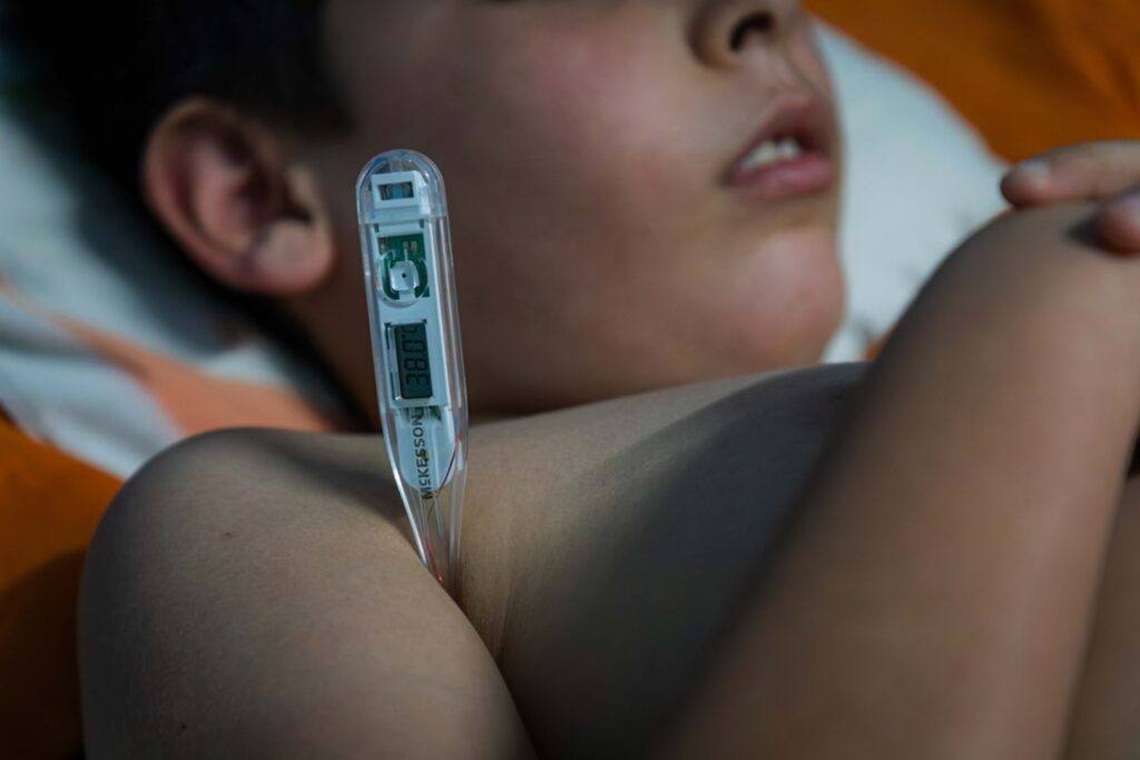
Durán recognized that chikungunya – whose symptoms include high fever and severe joint pain – has become “the main health problem” on the island.
The country is simultaneously facing a significant increase in dengue cases and high circulation of the Aedes aegypti mosquito, in a context in which control efforts have been “insufficient.”
This Tuesday alone, 1,706 new non-specific febrile cases were registered, the first clinical indicator of both diseases, the agency said. EFE.
That On the same day, 3,226 patients were admittedthe majority in their homes due to the saturation of health services.
Durán admitted that the data offered represents under-recording, since many sick people do not go to health centers.
Limited fumigation, garbage and a weakened sanitation system
The epidemic, officially recognized as such last week, is expanding at a country eaten away by one of the worst economic crises in decadeswhich has drastically reduced the state’s prevention and control capacity.
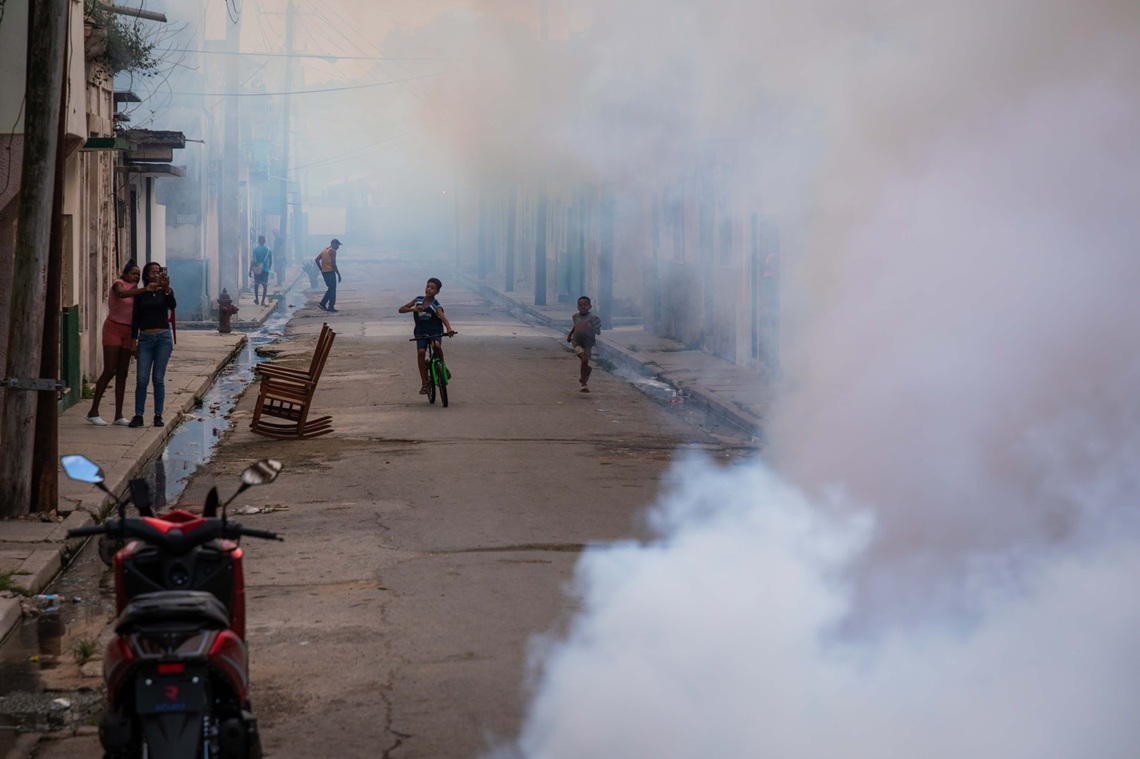
Mass spraying against mosquitoes has been reduced due to lack of resources, especially fuel.
Added to this is the accumulation of garbage due to the deterioration of communal servicesa scenario that creates ideal conditions for the reproduction of Aedes aegypti.
The limitations in the health system also weigh: between 2021 and 2024, Cuba lost 29% of its doctors and 17% of its nursing staffaccording to figures from the National Office of Statistics and Information.
According to EFEthe lack of personnel and equipment coincides with months of intense rains and with the passage of the Hurricane Melissawhich left provinces like Granma in a particularly vulnerable situation.
Cuba leads the incidence of chikungunya in the Americas
The Pan American Health Organization (OPS) informed EFE that Cuba registered 15,590 cases of chikungunya between October 11 and November 1, and 20,062 in the first ten months of the year, which is equivalent to an average of 700 diagnoses daily.
With these figures, the island reaches a cumulative incidence of 183.43 cases per 100 thousand inhabitants, the highest on the continent, above Brazil and the regional averages.
He The risk, warns PAHO, is especially high in Havana, Matanzas and Cienfuegosclassified as “very high risk of infection” areas.
Regarding dengue, official data indicate 9,602 cases between January and September, almost ten times more than in the same period of the previous year.
The simultaneous circulation of serotypes 2, 3 and 4, according to PAHO, could explain the increase in severe forms due to reinfections.
An epidemic that continues to grow
In this scenario, the high mosquito infestation and the insufficiency of control actions make it difficult to contain the outbreak.
While the numbers continue to rise, the country faces this epidemiological emergency with a shaky health system and with structural limitations for fumigation, surveillance and hospital care.
The situation, Durán acknowledged, continues to be “high risk” and demands a more effective response from both the State and the population, in a context where material conditions aggravate the spread of viruses.