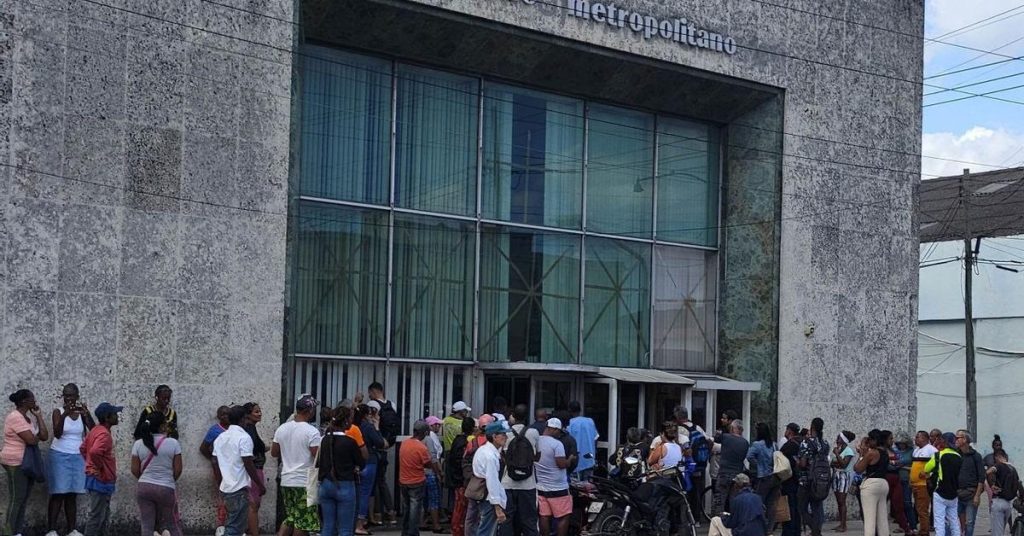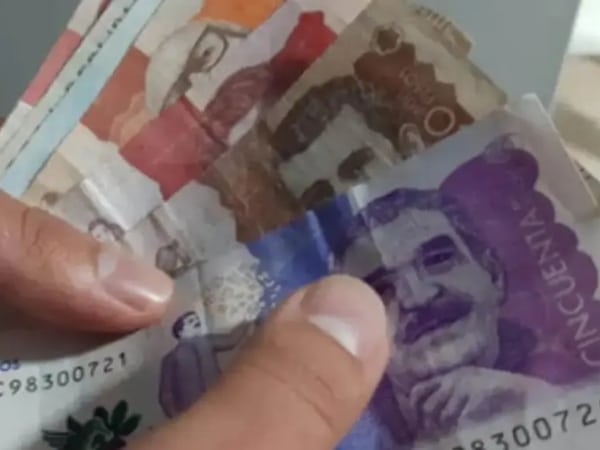
Numerous foreign companies in Cuba are already experiencing serious difficulties due to the lack of liquidity in the state banking system.
MIAMI, United States. – The Cuban Government has decided to consolidate the exchange rate “corralito” that has been affecting foreign capital for months: foreign companies based on the Island are being notified that they will not be able to extract or transfer abroad the currencies they already have deposited in Cuban banks, according to confirmed to the EFE agency various business and diplomatic sources.
In parallel, the authorities offer these companies to open a new type of bank accounts, called “real.” These accounts can only be filled with foreign currency received from abroad and, in exchange, transfers abroad and cash withdrawals are authorized – at least in theory.
The measure represents an explicit recognition of the undeclared financial “corralito” that Cuba has suffered for months and extends to all foreign companies the scheme that the Government tested in the first half of this year with a small group of companies, a test that the EFE itself advanced in April.
The new system is part of the management, control and allocation mechanism of currency announced in the “Government Program to correct distortions and re-boost the economy”, the package of anti-crisis measures recently disclosed, although without operational details.
However, some foreign firms have warned that even in these “real” accounts there are obstacles to withdrawing cash or repatriating foreign currency, fueling concern about the practical scope of the new financial architecture and the depth of the banking liquidity crisis on the island.
Embassies under a similar scheme
According to EFE, the Ministry of Foreign Affairs met this Wednesday with the diplomatic corps accredited in Havana to communicate a similar mechanism aimed at alleviating the financial tensions suffered by embassies, although without forcing them to open “real” accounts.
According to the explanation offered to foreign representatives, a date will be announced shortly that will function as a watershed for their deposits: foreign currency received from that moment on can, in principle, be extracted and transferred abroad. The availability of previously accumulated funds will, however, remain without guarantees, in accordance with what was stated in that diplomatic meeting.
These announcements, aimed at both the business and diplomatic sectors, show the severity of the banking, economic and financial crisis that the country is going through and come when numerous foreign companies are already experiencing serious difficulties due to the lack of liquidity in the state banking system and the strong exchange distortions.
Legal entities are obliged to operate at the official rate of 24 pesos per dollar, while in the informal market the US currency is around 450 Cuban pesos per dollar.
The decision to freeze previously deposited foreign currency comes a few months after the authorities surprised foreign entities with another demand: from then on They had to pay in dollars both the rents of the properties they occupied —managed by state real estate agencies— as well as the salaries of their workers, which are paid through a state employer company that charges a commission for this service.
Neither the Cuban Government nor the Central Bank of Cuba – organically subordinated to the Executive – have publicly reported on these restrictions or offered official explanations. The EFE office indicates that experts and observers consider that the authorities would have resorted to the foreign currency already existing in those accounts to be able to make payments abroad.
Chronic external deficit and limited access to foreign currency
In the background of these decisions is the extreme external fragility of the Cuban economy. The country imports around 80% of what it consumes, largely due to the collapse of the agricultural and productive sectors, which generates a large current account deficit. The State also maintains a monopoly on foreign trade, so access to foreign currency depends directly on the Government’s coffers.
The decline in international tourism and the decrease in remittance shipments through formal channels – always managed by intermediary state entities – have further limited the entry of hard currency. Unlike other countries in the region, Cuba does not belong to multilateral financial organizations that offer lines of credit, which further restricts its options to alleviate the shortage of foreign currency.
Cuba has been in a severe economic crisis for more than five years, considered the worst at least since the collapse of the Soviet bloc in the 1990s, or even more serious, according to a growing number of analysts. Added to the contraction of the product with high inflation are the shortages of food, medicine and fuel, the prolonged daily blackouts, the growing dollarization of daily life and a massive migration that empties the country of its young workforce.
The COVID-19 pandemic, the tightening of United States sanctions and the failed monetary and economic policies of the Cuban Government itself have intensified structural problems that have been going on for decades.