These days, the authorities of Havana have launched a new campaign against garbage, in the midst of the arbovirus epidemic that affects the country and repeated citizen complaints about the pestilent accumulations and insufficient sanitation work.
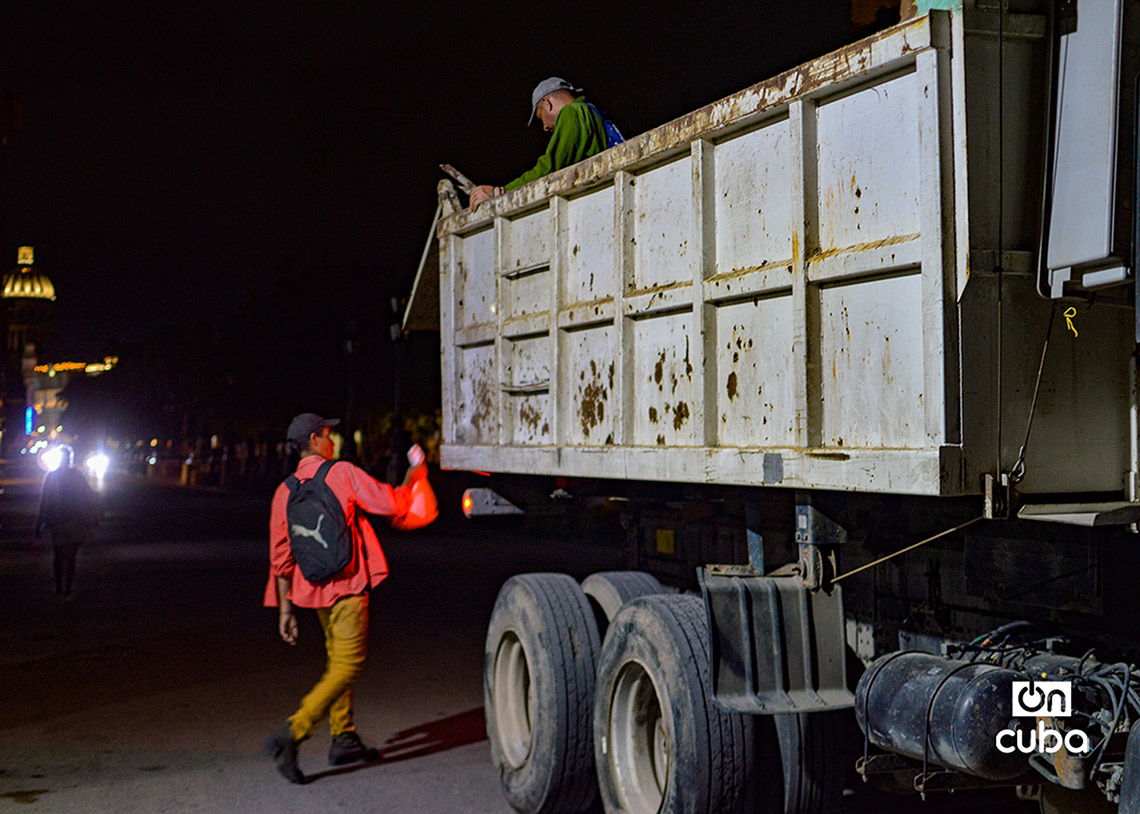
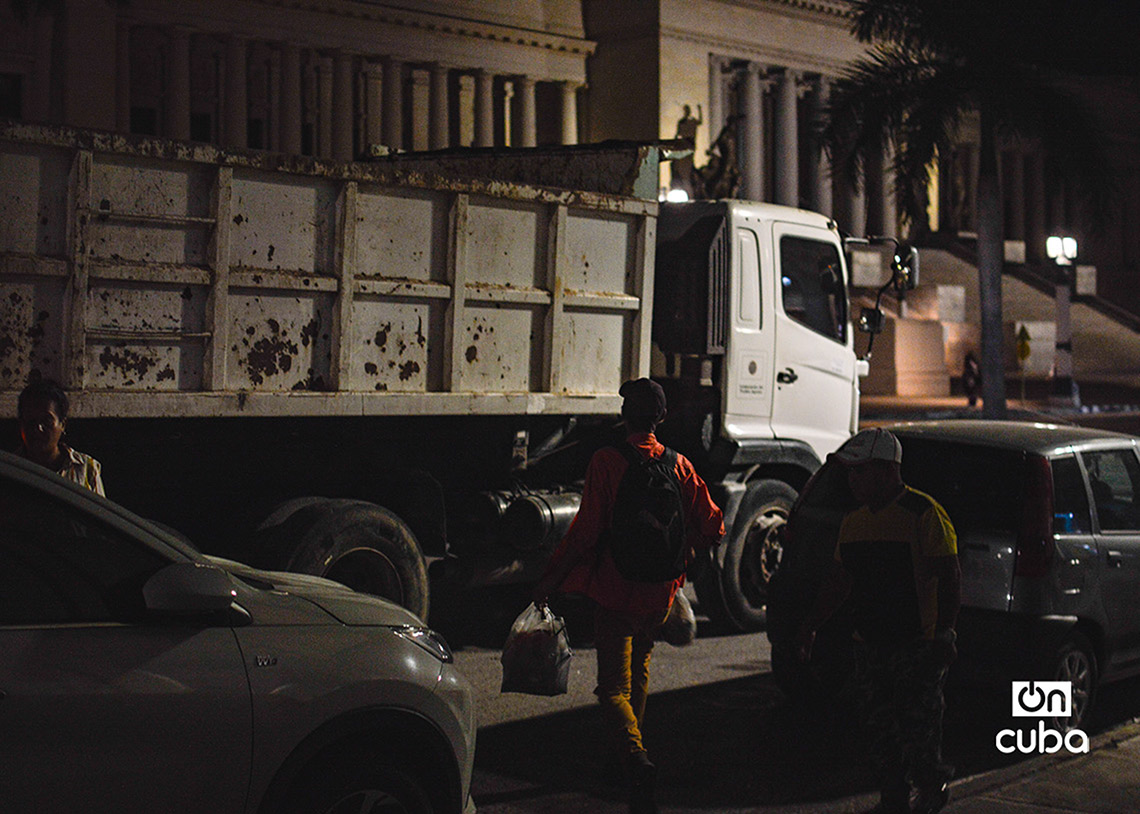
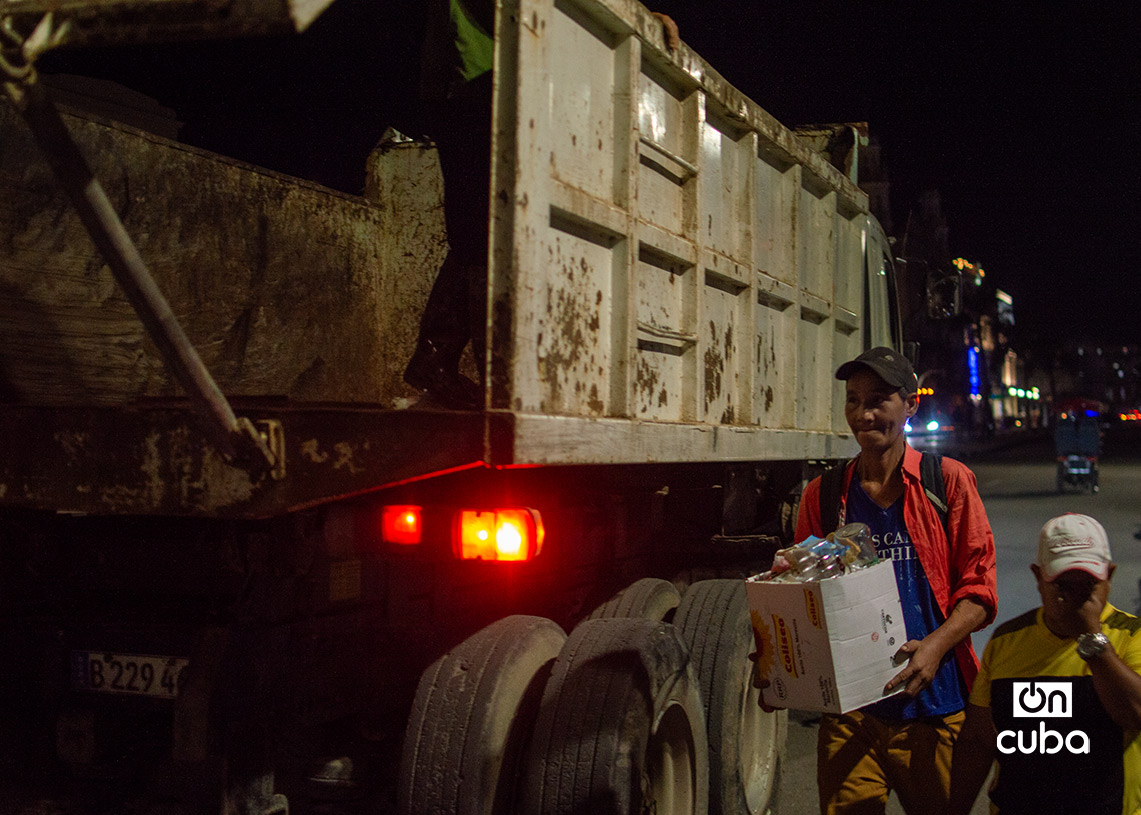
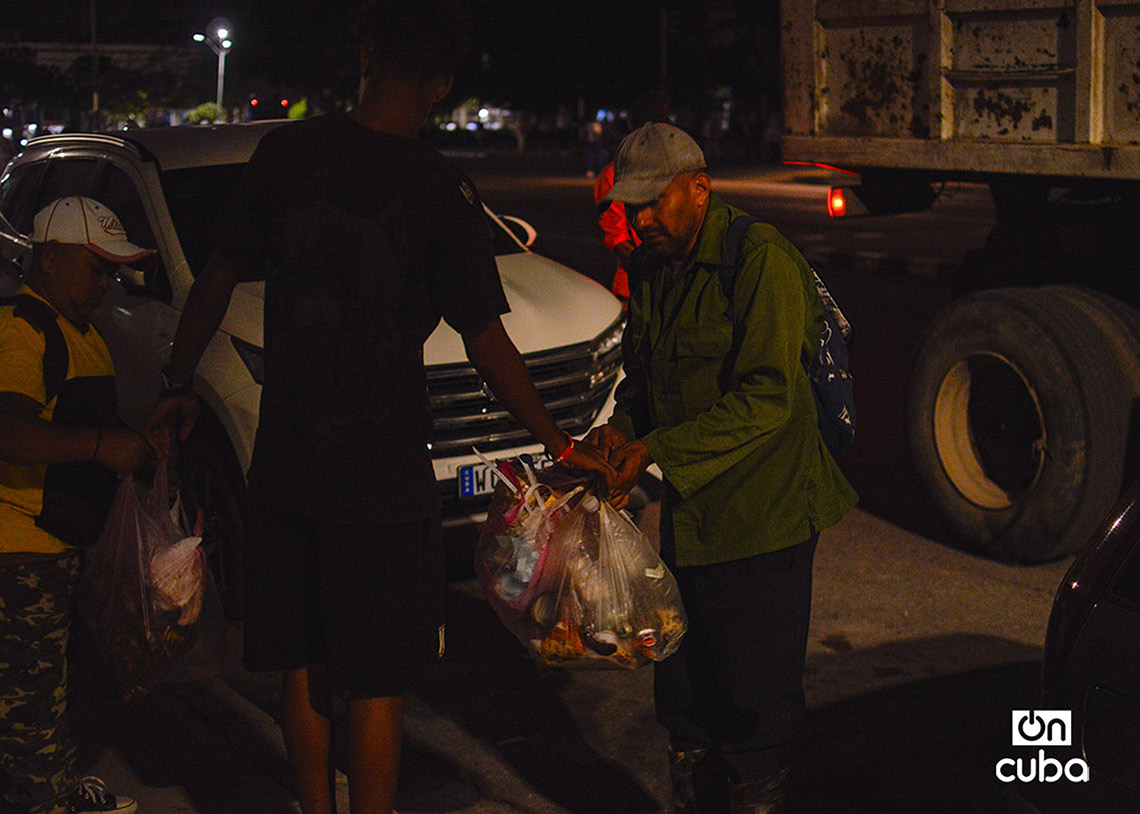
The actions, deployed in different neighborhoods and communities in Havana, seek to boost waste collection with the support of neighbors. They are asked to take out the garbage coinciding with the passage of the collection trucks, instead of depositing it on public roads.
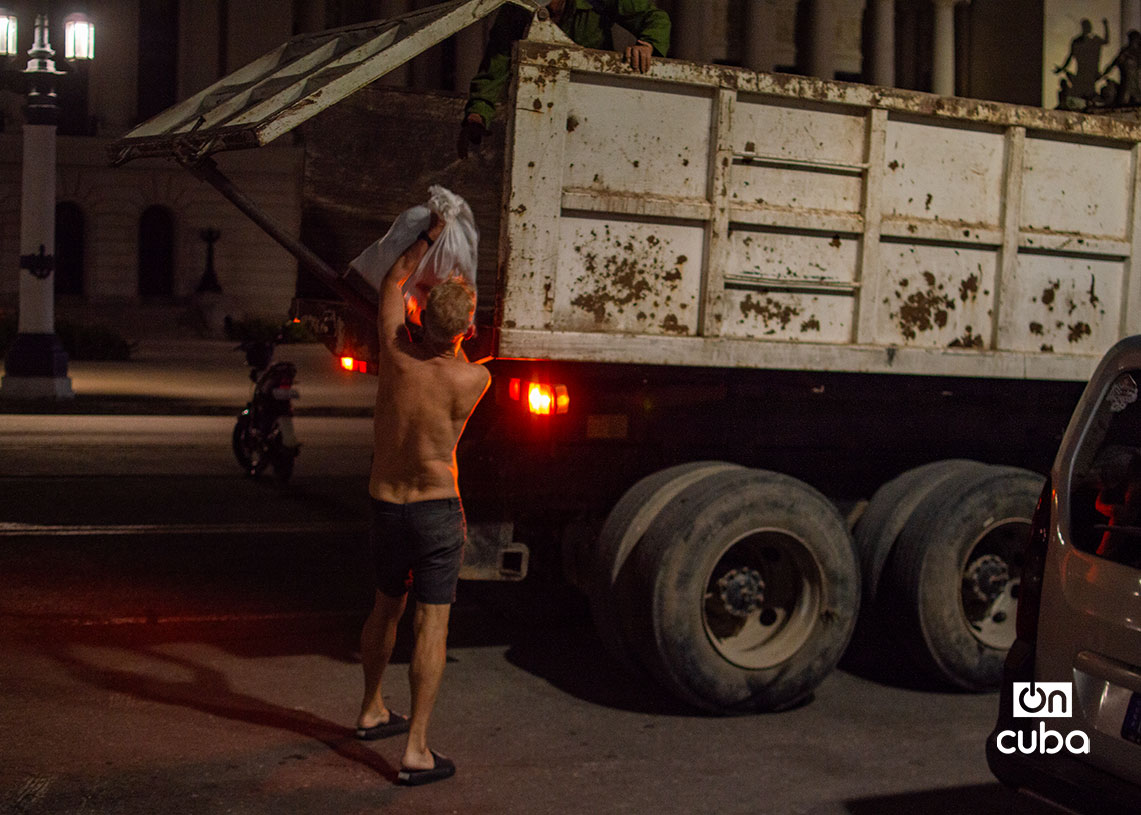
With dengue and chikungunya rapidly expanding, since the beginning of October the Cuban Government has been developing a sanitation campaign in the capital that has mobilized various state entities and seeks to actively involve the population.
However, even though the authorities assure Although the initiative has so far had a “positive balance”, overflowing landfills continue to be part of the daily lives of Havana residents. To confront this reality, the Government has created street sweeper brigades, applied fines that exceed half a million pesos and organized mobilizations on weekends.
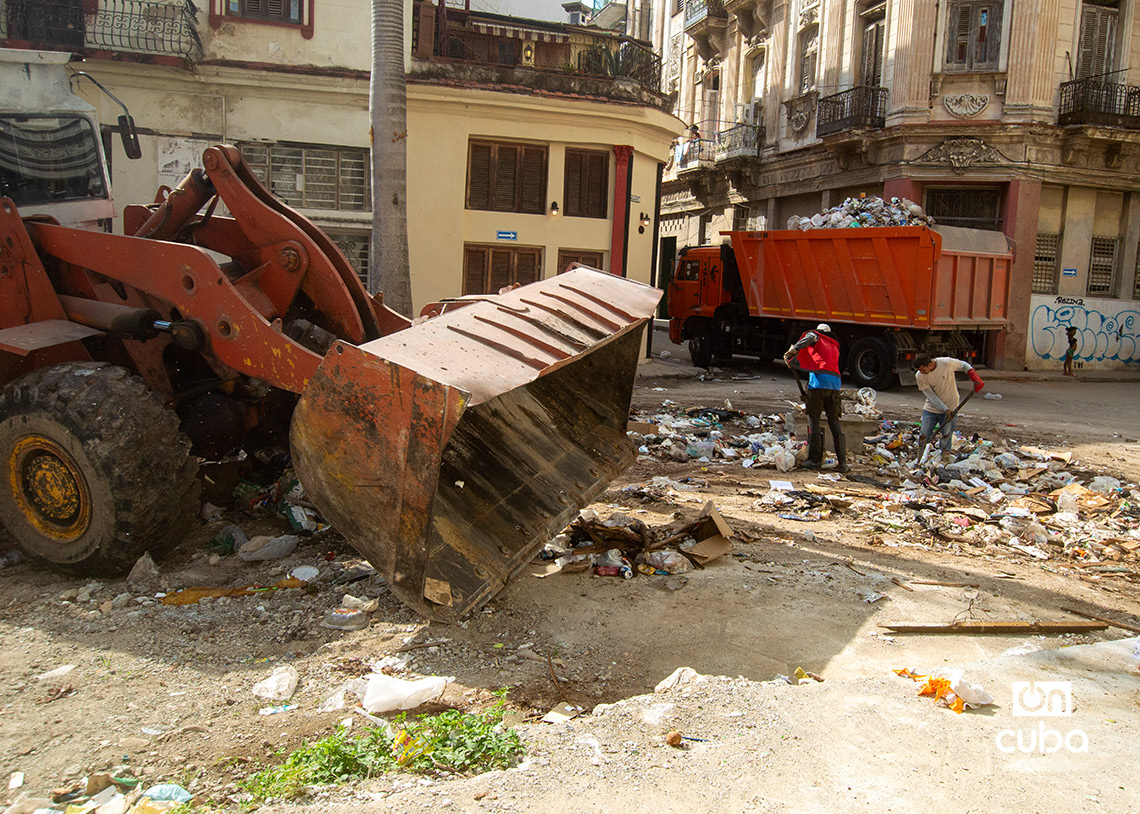
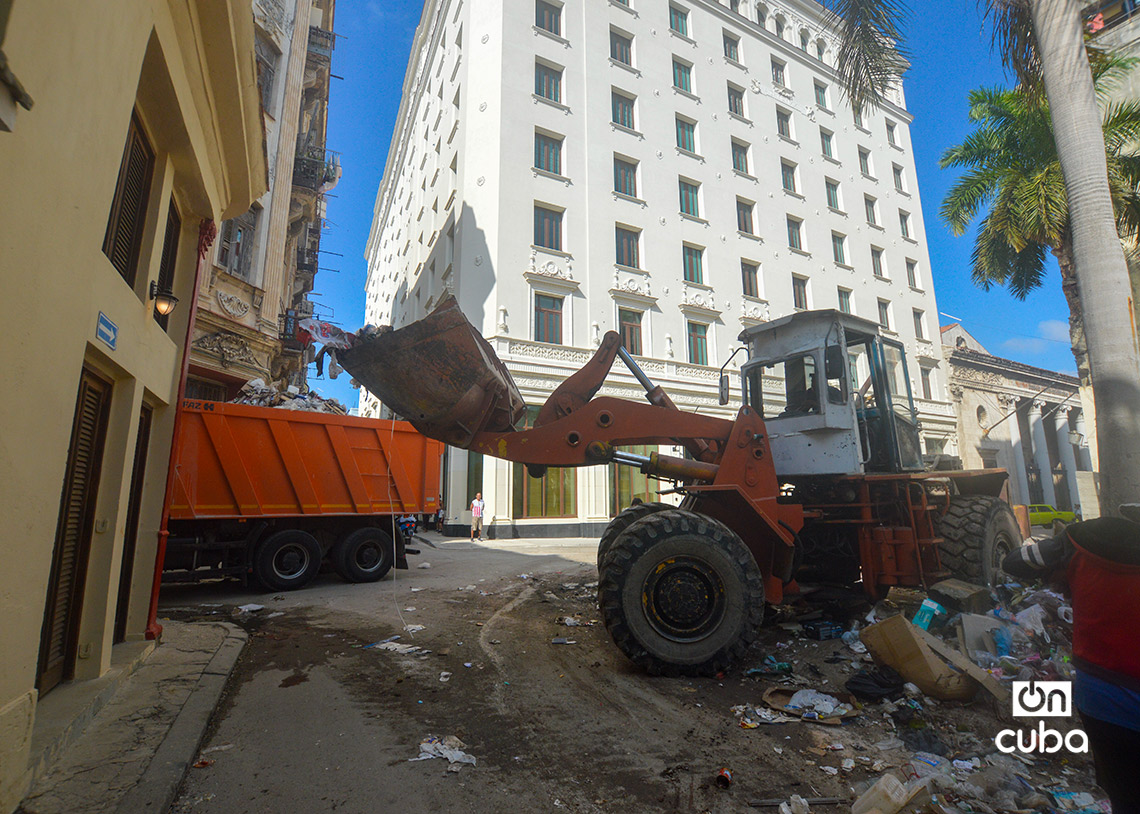
The new push for garbage collection is part of the government’s sanitation strategy and faces—at least initially—the same challenges as other campaigns: lack of equipment and personnel, lack of fuel and also lack of systematicity, apathy fueled by the crisis, among other factors.
In addition, it faces the enormous logistical challenge that implies – if not eliminating – at least significantly reducing the accumulations of garbage in a city that generates around 30 thousand cubic meters of solid waste every day and that requires, each year, about 30 thousand collection tanks.
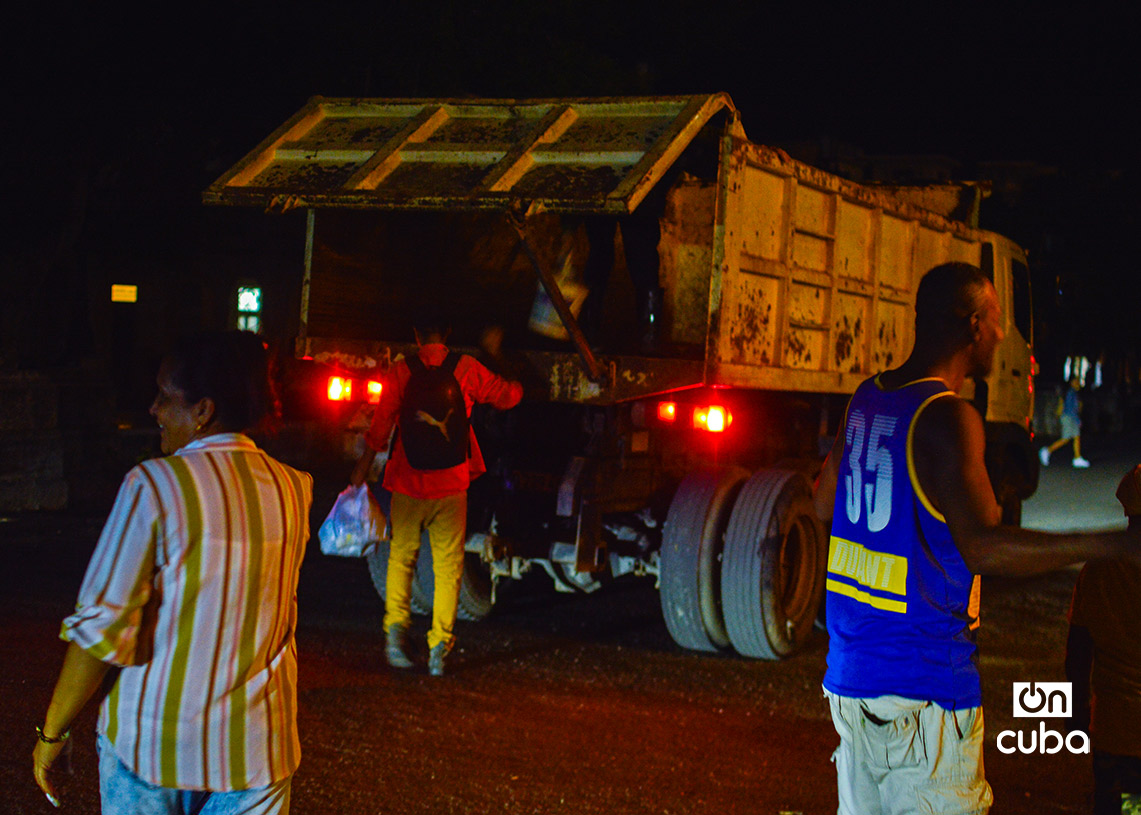
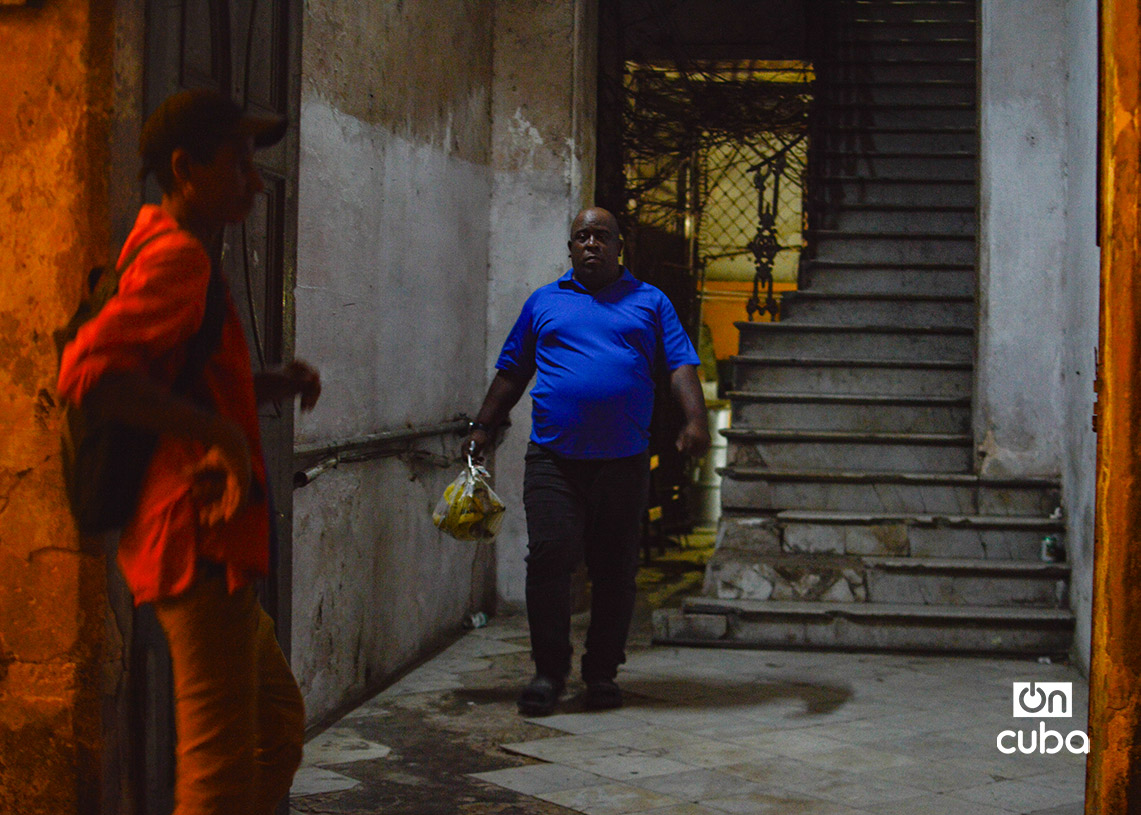
For now, the new battle against garbage is underway. In municipalities like Old HavanaFor example, trucks begin to circulate around 7:00 at night along the main avenues, while during the day excavators and brigades of workers collect the accumulated waste.
There is no shortage of criticism either. Some question that the routes are limited to certain streets, while others regret that the use of technical means that are not always appropriate for collection causes breaks in streets, sidewalks and garbage tanks.
However, the central concern points to the sustainability of these actions and their permanence over time. After many failed campaigns—not only related to garbage, but also other issues—many Havana residents rightly wonder: will it be this time?