1. The challenge of demonstrating regulatory independence
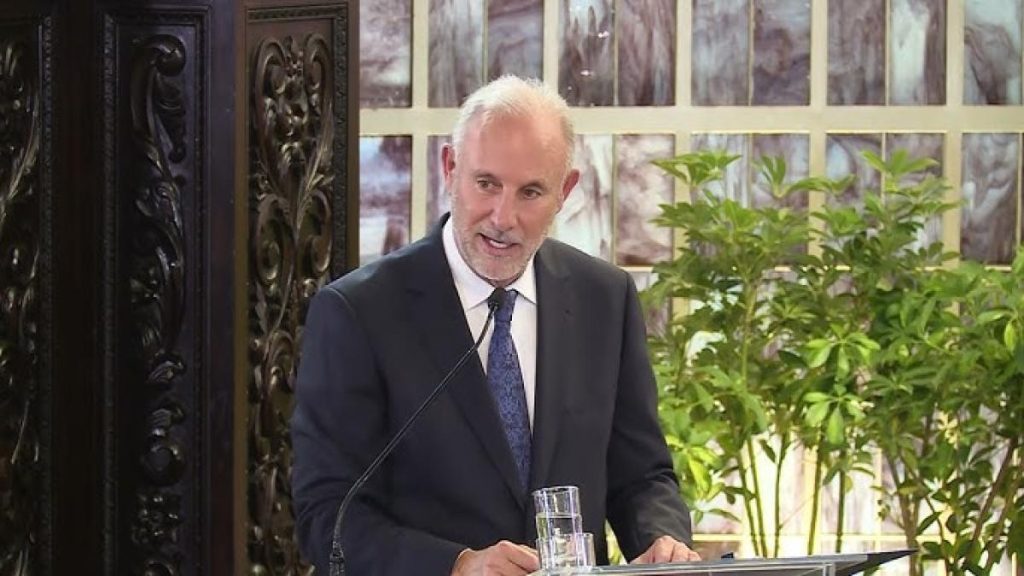
After the telecommunications reform, the new regulator was placed under the structure of the Digital Transformation and Telecommunications Agency (ATDT), dependent on the Executive. Although the CRT commissioner has technical profiles and extensive experience, his first relevant decision was to align himself with the government’s narrative on one of the most sensitive issues in the sector: the cost of spectrum. In its first weeks in office, the CRT stated that the spectrum in Mexico is “7% cheaper” than the international average.
The statement sparked controversy and technical and political questions. Because if spectrum were really cheap, we would not have the recent history of givebacks, deserted tenders or operators who have already warned that they will not participate in the next tender if the model does not change. Market data contradicts the narrative and makes the regulator’s position less credible.
The official narrative fulfills a clear function: legitimize the new institutional design, sustain fiscal policy before the next tender and deactivate business and international criticism just before the review of the T-MEC. In 2026, the challenge will be to demonstrate that it can make technical decisions even when they contradict the fiscal or political convenience of the government itself.
2. The challenge of operating discounts without distortions or discretion
Norma Solano, president commissioner of the CRT, declared that for the first time there will be discounts of up to 50% on spectrum rights in exchange for bringing coverage to areas without service. This is a central piece in the new narrative: if it is not expensive and there will also be relief for those who invest in social connectivity, there would be no reason for operators to refrain from acquiring more spectrum.
Mónica Aspe, CEO of AT&T Mexico, responded with a clear metaphor: “if I put my house up for sale, and I think it is the right price, which is what it should cost, and it is for sale for 15 years and no one buys it, it is expensive.” The same thing happens with the spectrum. Coverage discounts can be helpful, but they don’t change the actual economic value. What the CRT proposes—as happens in other countries—is to allow a discount if the operator brings the network to underserved areas: compensation for social investment, not a reduction in effective cost.
But here another challenge arises for the CRT: operating these discounts without discretion. A poor design can lead to a scheme in which some operators obtain relevant relief and others do not, without clear or verifiable criteria. Altán, for example, has 45% of its users in rural areas and is a natural candidate to benefit from the model. That can boost connectivity, but it also fuels the perception of unequal treatment in a context in which Altán is linked to CFE and, by extension, the State.
The 2026 5G tender will become the moment of truth. AT&T has already said it will not participate with the current scheme. Telcel, due to scale, can continue playing even with high costs. If the CRT does not correct the underlying problem, Mexico runs the risk of 5G from only one or two providers: more expensive, slower and more concentrated, just when the country aspires to close the digital divide and advance its digital transformation agenda.