The Villatina neighborhood remembers 33 years of a massacre that still hurts and continues without those responsible convicted.
Medellín commemorates 33 years since the Villatina massacre, where nine children and young people were murdered. Although the State recognized its responsibility, no one has been convicted and the monument that honors the victims remains deteriorated.
The calendar stops today, November 15, to relive the wound that 33 years ago destroyed the Villatina neighborhood. That night in 1992, innocence was silenced by gunfire, and the football, the game and the laughter of nine young people and children were transformed into the coldest silence in the history of Medellín. We cannot, we must not, forget our victims.
You may be interested in: The new life of “Colonel Bizcocho”, the mistreated dog in Bolívar that moved Colombia
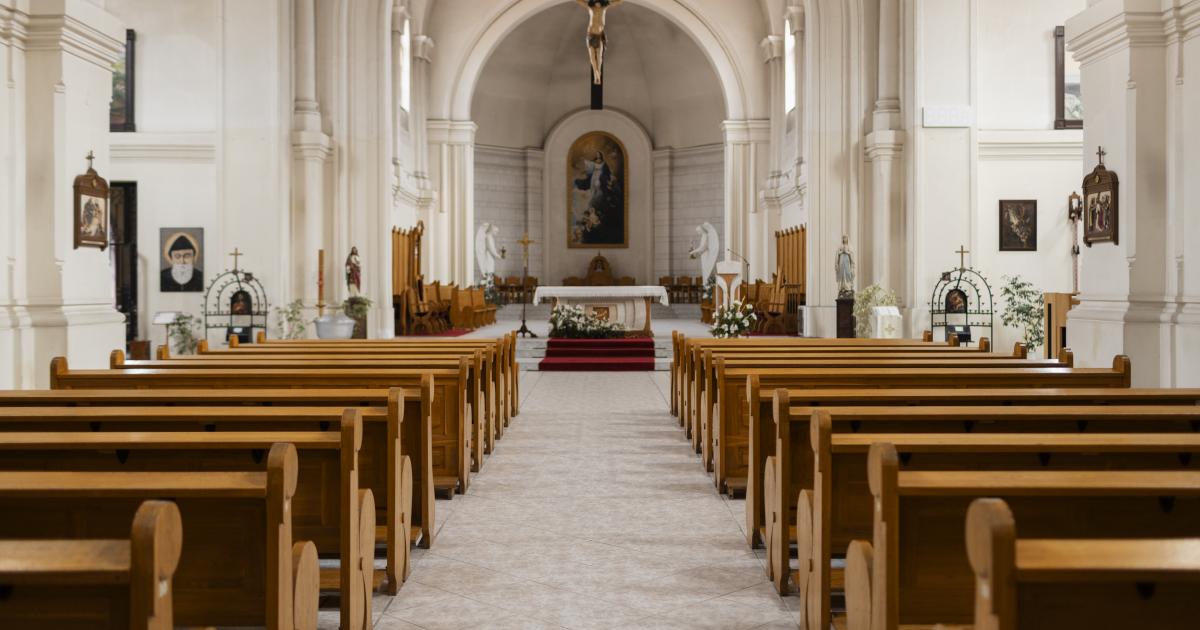
The clock read 8:30 pm when, after attending the religious service, the young people gathered near the church. Suddenly, a dozen men—agents, apparently members of F2, a former secret police; Aboard vehicles without license plates and with long weapons, they forced them to lie on the ground, on a corner barely a block from the temple.
They opened fire and killed nine people: the girl Johanna Mazo Ramírez, 8 years old, and the young people Giovanny Alberto Vallejo Restrepo (15), Ángel Alberto Barón Miranda (16), Johnny Alexander Cardona Ramírez (17), Ricardo Alexander Hernández (17), Oscar Andrés Ortiz Toro (17), Marlon Alberto Álvarez (17), Nelson Duban Flórez Villa (17), and the young Mauricio Antonio Higuita Ramírez (22).
Little Wilton Marulanda survived the physical impact, protected by the bodies of his friends, but he died two years later, a victim of the pain that broke his heart.
It took years of tireless struggle by the mothers for the State to recognize the crime. In 1998, then-president Ernesto Samper recognized the state’s responsibility before the IACHR and asked for forgiveness from the mothers in the Casa de Nariño.
But forgiveness, like many gestures, has turned out to be paper. On July 13, 2004, the monument “The Children of Villatina” was delivered to the Parque del Periodista. The state of the sculpture causes greater pain to the mothers of the victims: the monument shows the ravages of the elements, it has been vandalized, its plaques have been stolen and today it is a “seat” for substance consumption.
“At the very least, it awakens the curiosity of citizens and does not let history be forgotten”consoles Marta, mother of one of the victims, who keeps the flame of memory alive.
Keeping the memory alive for 33 years is a superhuman task. For Marta and many loved ones, indignation has mutated pain. Although the State accepted responsibility, compensated the families, built a school and a health center, the wound that hurts the most remains open: there is not a single conviction for the deaths that marked Villatina.