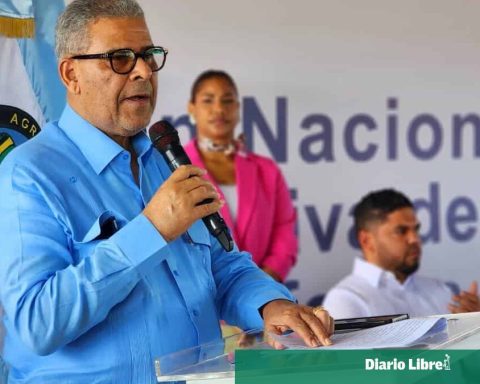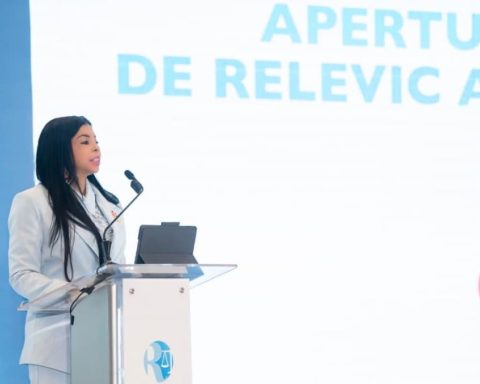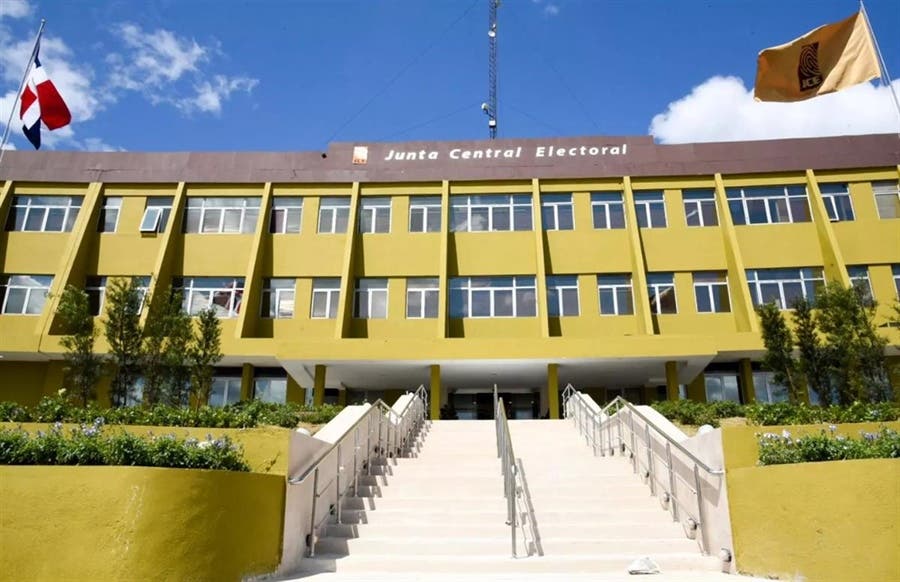
Santo Domingo.– On the second day of public hearings, the Central Electoral Board (JCE) once again placed the need to strengthen female participation in decision-making spaces at the center of the debate. The director of Political Parties stressed that achieving parity must go beyond electoral quotas and become a transversal policy in all institutions.
“A democracy with more women is a healthier and fairer system for society”, he stated.
Review of the D’Hondt method and adjustments to the electoral system
The director of Review of Records of the Civil Registry stated that D’Hondt’s method needs a thorough evaluation, both by the parties and by the National Congress, because it has historically favored larger structures.
He also recalled that the election of the national deputy is not governed by this method or by preferential voting, since his appointment is made through a closed list.
Independent candidatures and effective guardianship
During her intervention, Judge Emere Gilda del Rosario reiterated that independent candidacies are contemplated in current legislation and assured that the Electoral Court remains fully available to hear any action or claim.
Maybe you’re interested: Mexico surprises and eliminates Argentina on penalties from the U-17 World Cup
He pointed out that effective protection is evidenced by the fact that the body has responded to all the files presented by citizens.
Humanization of justice and focus on minors
One of the candidates drew attention to the need to humanize judicial decisions, especially when they involve children and adolescents. He emphasized that a judge must recognize that he is not evaluating an adult, but rather a person in training, which requires balancing sensitivity and strict adherence to the law.
Job update and technological tools
In labor matters, several participants agreed that the legislation must be reviewed to adapt to new times, including the incorporation of artificial intelligence tools that allow interpreting the economic and technological transformations of the country.
Civic education and digitalization of processes
The applicants also highlighted the need to strengthen civic education to improve the relationship between citizens and institutions. They argued that a more informed population reduces conflicts, improves the quality of the vote and reinforces confidence in justice and the electoral system.
Additionally, emphasis was placed on the urgency of modernizing internal processes through more advanced technological systems, which would streamline the management of minutes, accelerate decisions and expand transparency in access to information.
Upcoming sessions
The public hearings will continue next Tuesday with the participation of 21 applicantswho will continue to present proposals to modernize and strengthen the electoral and judicial system of the Dominican Republic.