The possible return of the El Niño Phenomenon in Peru starting in April 2026 has been anticipated by the Institute of the Sea of Peru (Imarpe), according to its first projections. A new official report will be issued by the Enfen Multisectoral Commission on Tuesday, November 18, in which data on sea and atmospheric conditions will be updated.
During the most recent event, in 2023-2024, the country experienced one of the most intense phenomena in the last two decades. Currently, conditions are normal, with a cooling trend in the first months of next year.
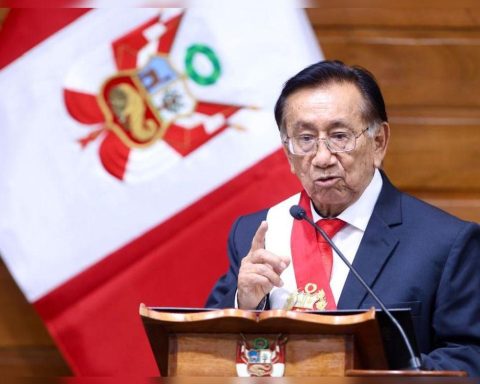
According to the president of the Enfen Multisector Commission, Rear Admiral Jorge Paz, certain anomalies can cause masses of warm water to be retained on the Peruvian coast, causing episodes of the El Niño Phenomenon, such as those that have occurred in the past.
Imarpe ruled out the presence of this phenomenon at least until April 2026. However, it warned that sea conditions can change and that monitoring is constant and updated every month.
Currently, normal sea temperature conditions are reported, with a tendency to cool during the first two months of the year. According to Enfen, this trend could continue during the first quarter of 2025, although active monitoring for possible changes continues.
The Minister of the Environment, Miguel Espichán, declared that all available data is being analyzed. If any sign of El Niño or La Niña emerges, it will be officially announced by the competent authorities.
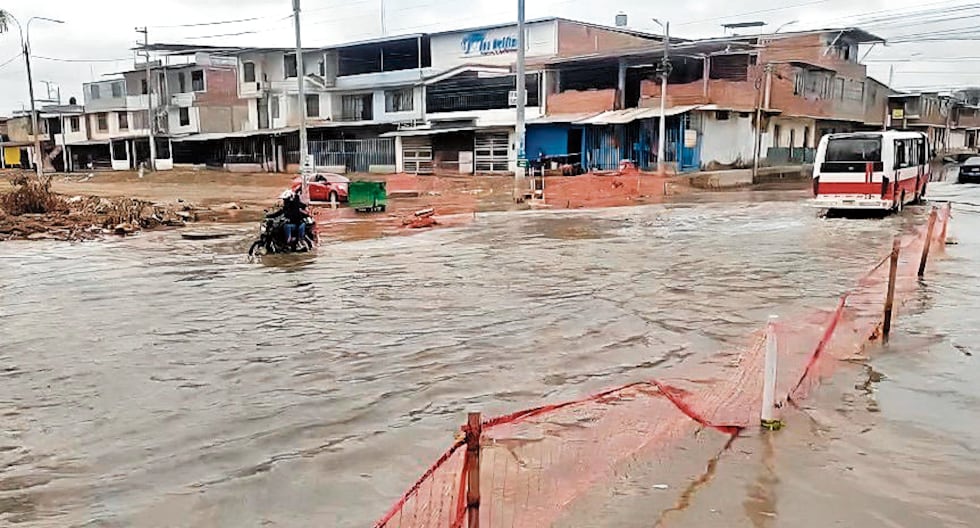
The El Niño Phenomenon has caused, in different years, intense rains, heat waves and droughts in various regions of the country, especially in Piura. However, it can also generate positive effects such as an increase in marine species, due to the change in ecosystem conditions.
These consequences depend on the magnitude and duration of the event, which can vary considerably from one episode to another.
[PUEDES VER: Incendio dejó más de medio millón de soles en pérdidas en Piura]
MONITORING. The entity responsible for monitoring is the Enfen Multisectoral Commission, made up of several State institutions. It publishes periodic reports on the progress of the El Niño Phenomenon, analyzing both its presence and its possible impacts.
One of its key indicators is the El Niño Coastal Index (ICEN), based on sea surface temperature in the Niño 1+2 zone. If this exceeds +0.4°C for three consecutive months, the presence of the phenomenon is officially declared.
Since 2015, Enfen has had an early warning system that allows us to anticipate the presence of the El Niño Costero Phenomenon. This improves the response times of the authorities and allows preventive measures to be taken without waiting for strict compliance with the ICEN index.