The economic slowdown caused by high interest rates will have effects on Brazilian economic activity. The Ministry of Finance reduced the growth projection for the Gross Domestic Product (GDP – sum of wealth produced in the country) in 2025 from 2.3% to 2.2%. The estimate was released this Thursday (13), in Brasília, in the Macrofiscal Bulletin of the Secretariat of Economic Policy (SPE).
According to the ministry, the review is due to the economy’s weaker performance in the third quarter and the lagged effects of restrictive monetary policy. For 2026, the growth projection was maintained at 2.4%.
Follow EBC’s complete coverage at COP30
Inflation above target
The projection for official inflation (IPCA) in 2025 fell from 4.8% to 4.6%, but the index should still end the year above the target ceiling – set at 4.5% by the National Monetary Council (CMN).
For 2026, the expectation was revised from 3.6% to 3.5%. The SPE predicts that inflation should converge to 3.2% by the second quarter of 2027, a horizon considered relevant for monetary policy.
According to SPE, the reduction in projection reflects factors such as:
- appreciation of the real;
- lower wholesale inflation for agricultural and industrial products;
- global oversupply of goods;
- application of the yellow flag on energy tariffs in December.
Main Treasury projections
|
Indicator |
2025 |
2026 |
|
real GDP |
from 2.3% to 2.2% |
maintained at 2.4% |
|
IPCA |
from 4.8% to 4.6% |
from 3.6% to 3.5% |
Source: Ministry of Finance
Sector performance
The GDP review for 2025 shows different dynamics between sectors of the economy. Agriculture was the positive highlight with growth forecast increased from 8.3% to 9.5%.
Industry fell from 1.4% to 1.3%, and the services sector went from 2.1% to 1.9%.
For 2026, the projected growth of 2.4% should be supported by a more intense recovery in industry and services, compensating for the expected slowdown in agriculture.
Domestic activity
The bulletin points out that the Brazilian economy continues to slow down, a reflection of high interest rates and the contraction in credit.
“The cumulative effects of restrictive monetary policy continue to impact activity”, highlighted the SPE.
Although unemployment remains at a historically low level, the report notes a reduction in the employed population and a slower pace of income growth in the third quarter.
US tariffs
On the international scene, the bulletin states that global activity remains resilient, but warns of commercial and geopolitical uncertainties.
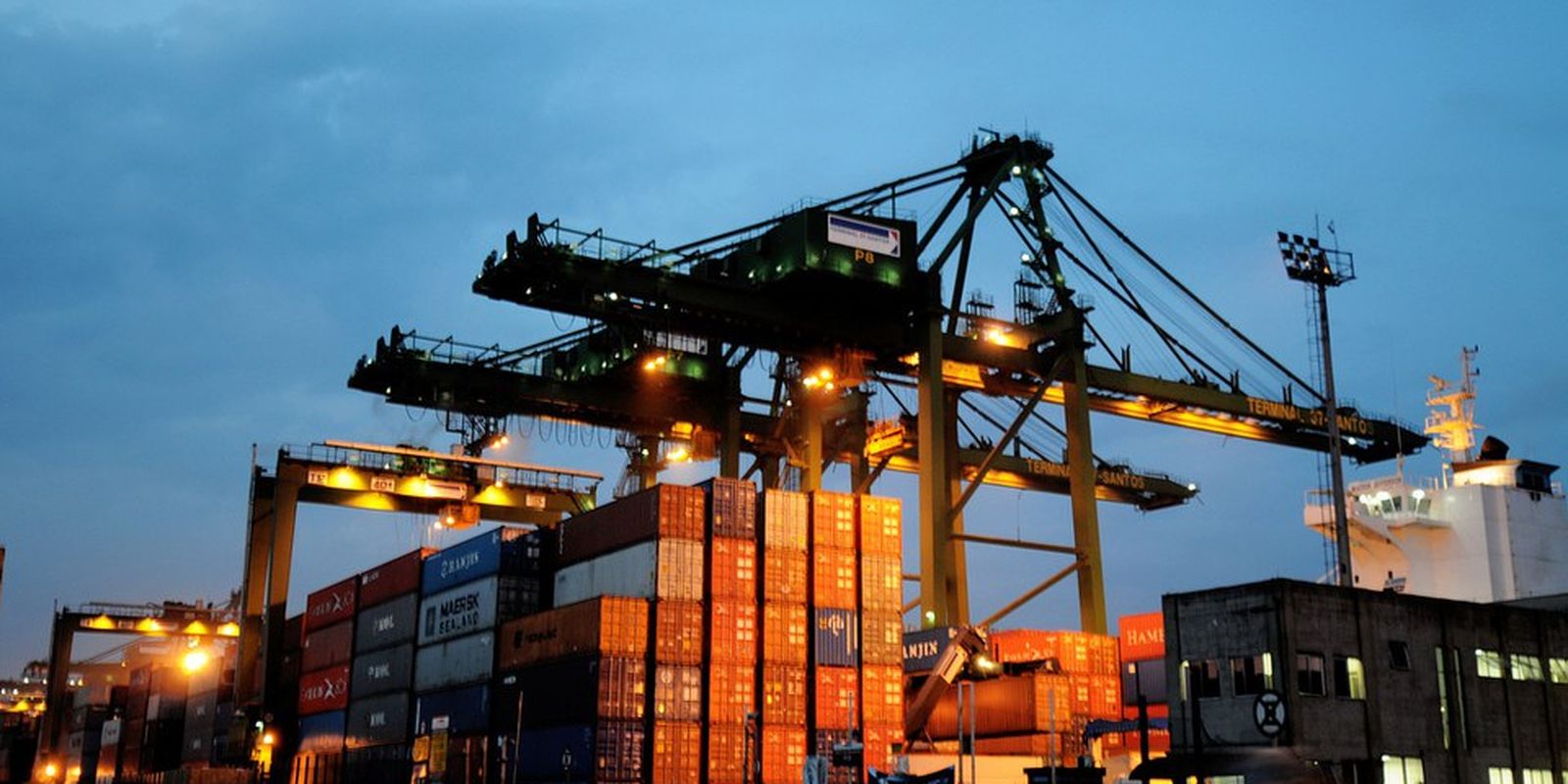
The document cites the negative impact of tariffs imposed by the United States on Brazilian exports. Between August and October 2025, sales from Brazil to the USA fell by US$2.5 billion, a reduction of 24.9% compared to the same period in 2024.
The Ministry of Finance reported that the government has sought to diversify markets and adopt policies to support the export sector. The bulletin also mentions that dialogue between the presidents of Brazil and the United States can contribute to reducing tariffs.
Other price indices
Projections for other indices were also revised downwards. The estimate for the National Consumer Price Index (INPC) – used to correct the value of the minimum wage – fell from 4.7% to 4.5% this year.
The forecast for the General Price Index – Internal Availability (IGP-DI) fell from 2.6% to 1.4%, reflecting the fall in the dollar, which greatly influences this index.
Budget
Released every two months by the Secretariat of Economic Policy, the Macrofiscal Bulletin presents the main projections and analyzes on the performance of the Brazilian economy. The document is used as a reference for the preparation of the Bimonthly Income and Expense Assessment Report, which guides the execution of the Budget, with blocking and contingency measures, types of temporary expense cuts.
The blockade affects spending that exceeds the annual expenditure growth limit of the fiscal framework. Contingency occurs when the lack of revenue compromises the achievement of the primary result target.