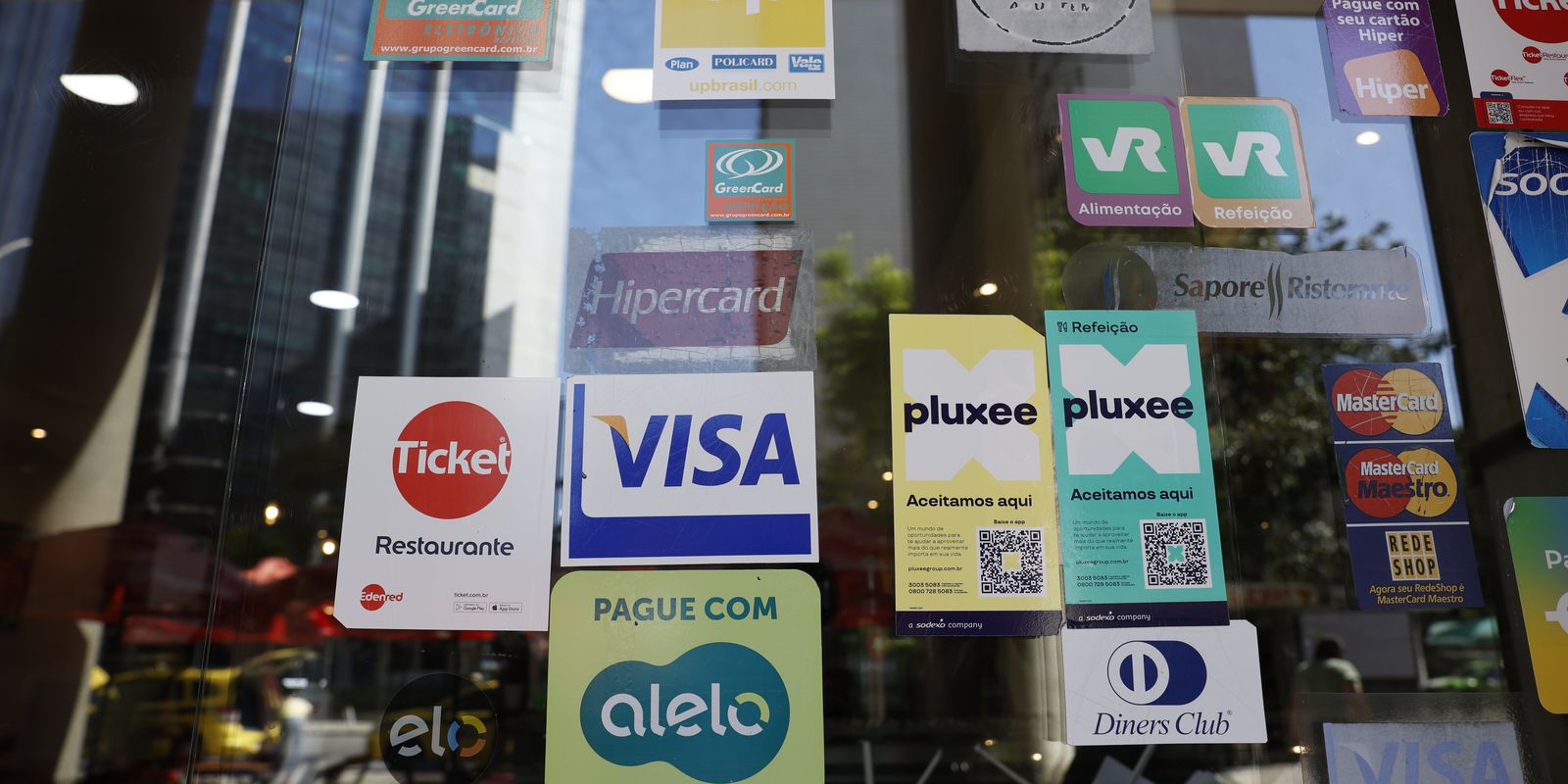
The new model for the food voucher and meal voucher payment system could generate annual savings of up to R$7.9 billionannounced this Wednesday (12) the Secretariat of Economic Reforms (SRE) of the Ministry of Finance. The changes were established by Decree 12,712, edited this tuesday (11), and aim to increase efficiency, promote competition and reduce costs in the sector.
More efficiency and competition
The new rules change the functioning of payment arrangements for the Workers’ Food Program (PAT) and food assistance. The government hopes that the opening of the market will stimulate technological innovation, the expansion of the acceptance network and the improvement of services offered to workers.
The department calculates that the average savings could reach R$225 per worker per year, with cost reduction and greater competitiveness among companies operating the benefits. The savings will go to supermarkets, bars and restaurants, but the government hopes the lower costs will be passed on to consumers.
Payment arrangements are a set of rules that establish all electronic payments. In the case of meal and food vouchers, supervision is the responsibility of the Ministry of Labor and Employment (MTE).
>> Follow the channel Brazil Agency on WhatsApp
Tariff ceiling and transfer deadlines
Among the measures envisaged, the decree establishes a ceiling of 3.6% for fees charged to commercial establishments and a maximum period of 15 days for the transfer of amounts by accreditors (machine companies).
According to the Ministry of Finance, The measures reduce intermediation costs and create conditions so that restaurants and supermarkets can charge lower prices without compromising their margins.
End abusive practices
The text also prohibits discounts and discounts on contracted values, in addition to preventing transfer deadlines that mischaracterize the prepaid nature of the instruments and the payment of funds not linked to healthy eating.
According to the Treasury, the government seeks to avoid market distortions and ensure that the benefits of PAT and food assistance are effectively directed to the worker.
Openness and interoperability
The decree determines that payment arrangements with more than 500,000 workers adopt the open model, in which card issuance and establishment accreditation can be carried out by different institutions that meet the system’s requirements.
This measure, according to the Treasury, should reduce entry barriers, increase competition and expand the acceptance network. The model follows the standard introduced in 2010 by the Administrative Council for Economic Defense (Cade) in the credit and debit card sector.
Furthermore, the arrangements will take up to one year to implement interoperability between brands, allowing food benefit cards to be accepted at any accredited establishment.
Control and security maintained
In a note, the Ministry of Finance highlighted that the opening of the arrangements does not weaken control of the system, as all companies will continue to be subject to the same rules and MTE supervision.
According to the Secretariat of Economic Reforms, the measures consolidate a more efficient, competitive and transparent payment system, preserving the nutritional focus of the PAT and guaranteeing access to adequate and healthy food.
Estimated annual savings with the measures
| Measure | Estimated savings |
| 3.6% cap on fees |
R$2.9 billion |
|
Reduction in the transfer period (15 days) |
R$0.7 billion |
| Opening of arrangements |
R$ 1.6 billion |
|
Interoperability between brands in food aid |
R$2.7 billion |
| Total | R$7.9 billion |