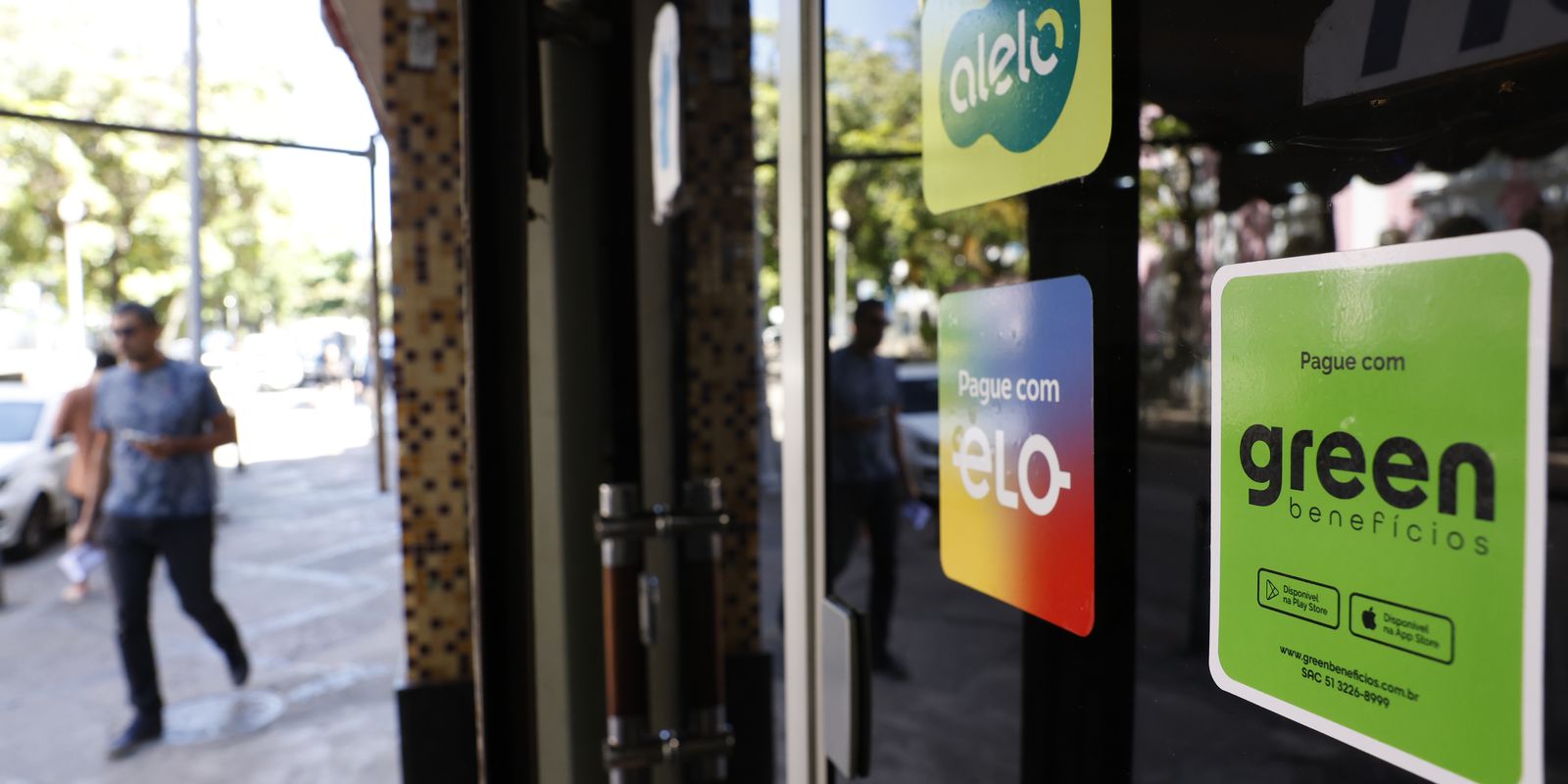
Small and medium-sized entrepreneurs in the food sector received the decree that modernizes the Worker Food Program (PAT), signed this week by President Luiz Inácio Lula da Silva. The measure limits the fees charged by food and meal voucher operators, provides for interoperability between brands and increases competition in the sector.
THE Brazil Agency heard from those responsible for four establishments in Rio de Janeiro, where the majority of sales are made through meal tickets. The fees paid by merchants today range from 3.5% to 9%, according to the operator.
The majority of those interviewed said they were not aware of the decree, but assessed that the measure could represent cost savings and greater freedom of choice in the flags accepted. Still, some businesspeople are skeptical about the immediate results, fearing that operators will seek to compensate for the rate limitation by creating or increasing other types of charges, such as the credit advance fee, considered essential for low-margin businesses.
Costs and expectations
At Sol Gastronomia, in Lapa, businessman Edmílson Martins Rocha pays around 6% tax on sales with meal vouchers. It offers a 5% discount for customers who pay in cash or Pix. For him, the reduction in rates can be positive, as long as it is effective.

Edmilson Rocha, from the Sol Gastronomia restaurant, says that most people pay with meal vouchers – Photo Fernando Frazão/Agência Brasil
“If we pay less, it’s much better, right? Then, we can reduce the price of food. It’s good for the customer and it’s good for us. Here, the majority pay with food stamps. A big fee, then it hurts [o restaurante]”, explains Rocha.
The Gulosinho sweet shop, owned by Weksson Araújo, has been operating for 11 months and has only signed up to three brands, considering the others too expensive.
“There is a flag that we didn’t even take because, in addition to the fee being high, it charges a membership fee that we pay to be able to receive that flag. So much so that we didn’t join all of them, we only joined the three most popular flags”, says Araújo.

Weksson Araújo serves customers at Doceria Gulosinho, in Lapa – Photo Fernando Frazão/Agência Brasil
The businessman highlights that he works with inputs with volatile prices, such as chocolate, which has been rising constantly. “Any type of reduction, regardless of what it is, for us to accept would be excellent, because we would at least be able to shift the amount we have been spending,” he acknowledged.
At Padaria Araucária, in central Rio, owner Sérvulo Júnior employs 40 people and reports paying rates between 3.5% and 9%. He considers the initiative promising, but emphasizes that it is still too early to assess the effects.

Sérvulo Júnior, manager of the Araucária bakery, in Lapa, talks about the new decree that modernizes the Workers’ Food Program (PAT) – Photo Fernando Frazão/Agência Brasil
“The reduction of up to 3.6% and the entry of new players they are wonderful. Let’s see if that’s what it will be. If you pay 2.8%, it would be excellent”, he said.
Businessman Nei Raimundo Duarte, owner of Restaurante Salú, also in Lapa, maintains a more skeptical stance. He states that contracts with operators “change rates over time” and criticizes what he calls a “lack of transparency” in charges. Before the pandemic, 75% of sales were in cash. Today, it’s the opposite. “So, it’s your revenue, minus 7% every month”, he reported.

Respondents say they do not intend to reduce prices – Photo Fernando Frazão/Agência Brasil
None of those interviewed intend to reduce consumer prices based on the decree. They state that, if there are savings, the amount will be used to form an emergency reserve or pay off debts, given the instability of input costs.
Split sector
The Brazilian Association of Workers’ Benefit Companies (ABBT), which brings together the main operators in the sector, such as Alelo, Pluxee, Ticket and VR, criticized the decree. In a note, the entity stated that the new model “should weaken supervision and encourage the misuse of food funds”.
According to ABBT, limiting rates “inhibits competitiveness” and imposes “unenforceable deadlines” for adapting contracts. The association also questions the lack of studies that prove benefits are passed on to the end consumer.
In the opposite sense, the Brazilian Supermarket Association (Abras) praised the changes, stating that the decree “gives new life” to PAT. The entity’s president, João Galassi, highlighted that currently “there are 17 types of fees and tariffs” charged to companies, which makes the system more expensive. “With the new decree, we will have more predictability and less intermediation”, he stated.
Abras also assesses that the new regulation can stimulate competition and reduce market concentration among operators.
Perspectives
With the modernization of PAT, the government intends to ensure more transparency and competitiveness in the food and meal voucher system. The expectation is that the 3.5% cap on discount rates and the interoperability of brands will allow establishments and workers to have more options and lower transaction costs.

Salon of the Sol Gastronomia Restaurant, in Lapa – Photo Fernando Frazão/Agência Brasil
The new model could generate annual savings of up to R$7.9 billionaccording to a calculation released this Wednesday (12) by the Secretariat of Economic Reforms (SRE) of the Ministry of Finance.
The ministry estimates that the average savings could reach R$225 per worker per year, with cost reduction and greater competitiveness among companies operating the benefits. The savings would go to supermarkets, bars and restaurants, but the government hopes the lower costs will be passed on to consumers.
Main promise to liberalize the meal voucher and food voucher market, the flag interoperability has one year to come into force. The networks have this deadline to adapt the systems so that the card is accepted at any establishment, regardless of the brand.