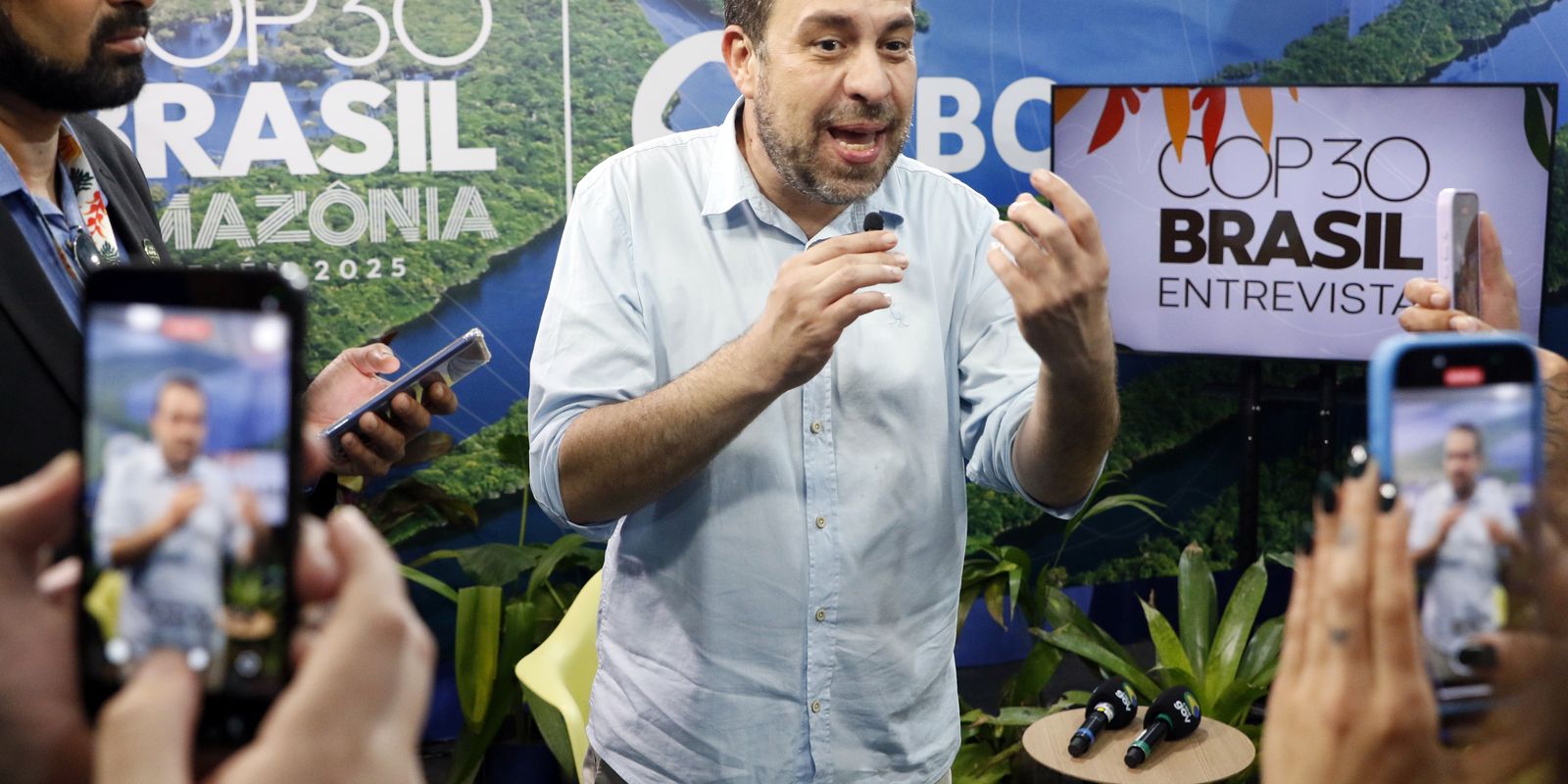
The minister of the General Secretariat of the Presidency of the Republic, Guilherme Boulos, criticized this Tuesday (11) the report by federal deputy Guilherme Derrite (PP-SP) on the Anti-Faction bill (PL). The minister classified the opinion presented by Derrite as the “PEC of shielding 2.0”, in reference to the proposed Amendments to the Constitution that determined that deputies and senators could only be prosecuted after prior authorization from the Chamber or the Senate. 
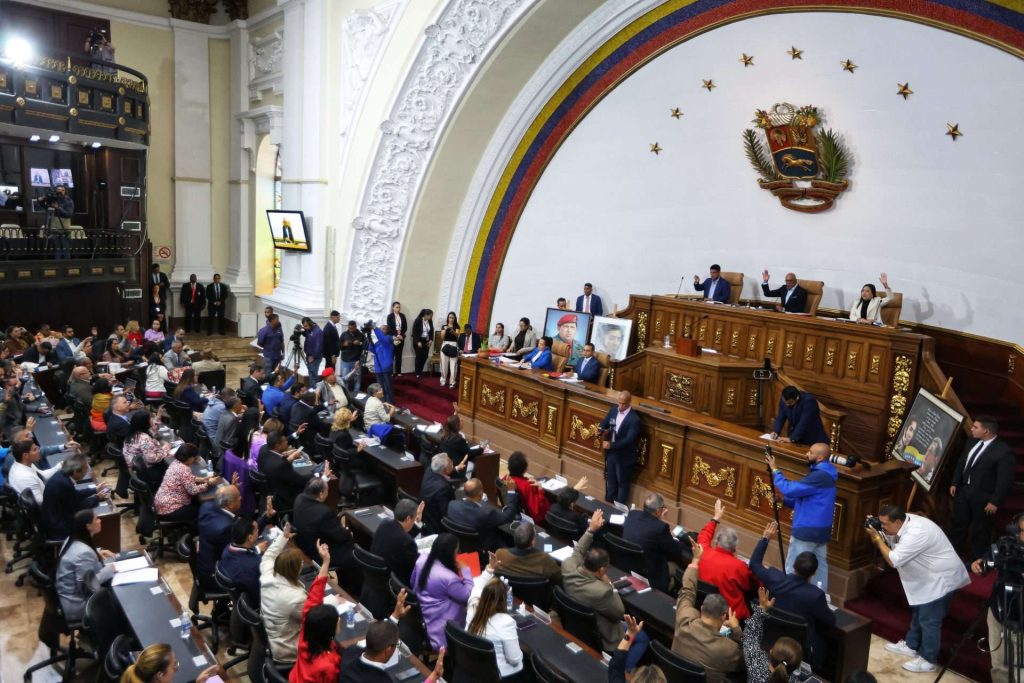
THE President of the Chamber of Deputies, Hugo Motta (Republicanos-PB) plans to vote on the text for this Wednesday (12).
The so-called Blindagem PEC was approved in the Chamber of Deputies, but was filed in the Senate.
“Derrite, after we put thousands of people on the streets all over Brazil against the PEC, the shielding, the banditry, he is doing the PEC of shielding 2.0, which is shielding organized crime, making it difficult for the Federal Police to carry out investigations,” said Boulos when questioned by Brazil Agency, at the COP30 facilities.
“He’s protecting someone, he’s trying to cover up someone or, as they say in popular language, he’s covering someone up, because that’s what it seems like. That’s what society has understood from the regrettable role of shielding that he has done in reporting the project”, added the minister.
Boulos’ criticisms are added to those of other ministers in President Luiz Inácio Lula da Silva’s government, such as the Finance ministers, Fernando HaddadInstitutional Relations, Gleisi Hoffmann and Justice, Ricardo Lewandowski. Authored by the Executive, the project was sent to Congress at the end of October and is being processed in the Chamber of Deputies.
The ministers criticized the initial opinion of Derrite, which limited the role of the Federal Police (PF) in combating organized crime, conditioning joint investigations between the PF and state forces on crimes related to criminal factions to a formal request from the governor and also the use of the Criminal Organizations Law, and not the Anti-Terrorism Law, for the establishment of penalties against factions.
Derrite held the position of Secretary of Public Security of São Paulo until Wednesday (5). He resumed his parliamentary mandate, after Hugo Motta nominate you to report the project. The government criticized the appointment, arguing that it contaminated the debate on public security with the electoral objectives of the governor of São Paulo, Tarcísio de Freitas and his political field.
“Tarcísio sent Derrite back to the Chamber to do the dirty work. That’s the truth”, said Boulos.
Melt down
In a press conference this Tuesday (11), Derrite assured that the proposal presented maintains the powers of the Federal Police and state police. The parliamentarian said that there is no idea of submitting P’s actions for approval by state governors or also equating the factions with terrorism.
COP30
Earlier, the content of the PL Antifação was criticized by the PF director of Amazon and Environment, Humberto Freire de Barros, during COP30. Barros said that, as it stands, the project could have a very negative impact on the PF’s actions in combating environmental crimes linked to organized crime, such as mining and drug trafficking in the Amazon.
Boulos also commented on the holding of COP30 in Belém, highlighting popular participation in the debates. The minister pointed out the great civil society participation in the Blue Zonewhere negotiations take place and also in the Green Zone, a space destined exclusively for civil society.
“It is a bold COP because it is taking place in the heart of the Amazon, in the largest tropical forest in the world, and more than that, because it involves one of the largest social participation in history. There are indigenous people, quilombolas, forest people, environmentalists, social movement organizations”, he highlighted.
“In addition to the Green Zone, there is also the people’s summit, with thousands of people, the COP village with thousands of people, the world youth meeting with thousands of young people, and the young people have played a leading role in facing the climate crisis”, he stated.
Boulos, who recently assumed the position of minister to occupy the position that liaises between the government and social movements, he said that society will influence debates between negotiators.
“This will ensure that the decisions of this COP can be heard not only by global leaders, but also by the people, but also that they will later have more continuity and effectiveness. The COP ends, the people stay, the movements stay, the mobilizations stay and it is this same organized people who will then help to pressure so that the goals and objectives approved at this COP are taken off paper and put into practice”, he concluded.