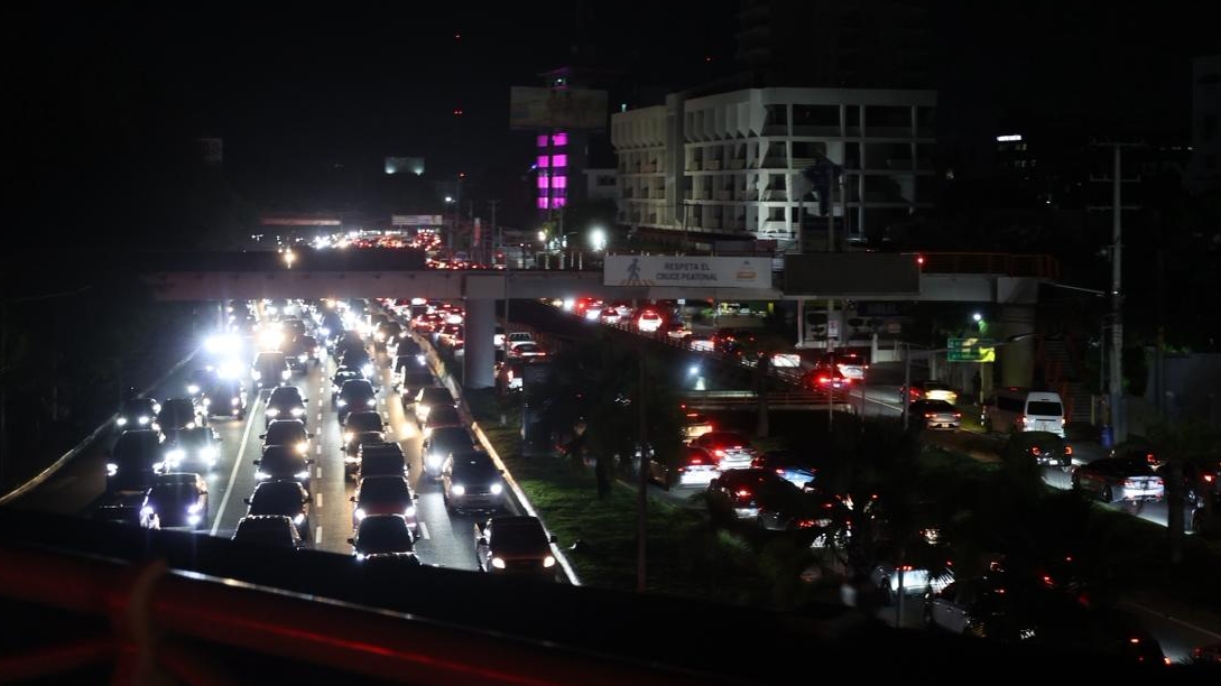
Santo Domingo.-A general blackout paralyzed a large part of daily activities in the Dominican Republic yesterday afternoon, causing chaos in traffic, affecting hospital services and the suspension of the main transportation systems in Greater Santo Domingo.
Meanwhile, the energy authorities began to progressively restore the electricity supply, managing to restore part of the service at the end of the day.
The breakdown occurred around 1:20 in the afternoon and service began to be restored around 6:00 in the afternoon. From that time on, the increase in generation was progressive, with no damage reported to the power generating plants.
The breakdown
The collapse of the electrical service occurred after a breakdown in the San Pedro de Macorís substation, which generated a chain reaction that took the Eastern generating plants out of operation and caused the total collapse of the National Interconnected Electrical System (SENI).
The entire country was without power for several hours.
The blackout surprised thousands of people in the middle of the workday, causing a collapse in urban mobility.
Metro and cable car
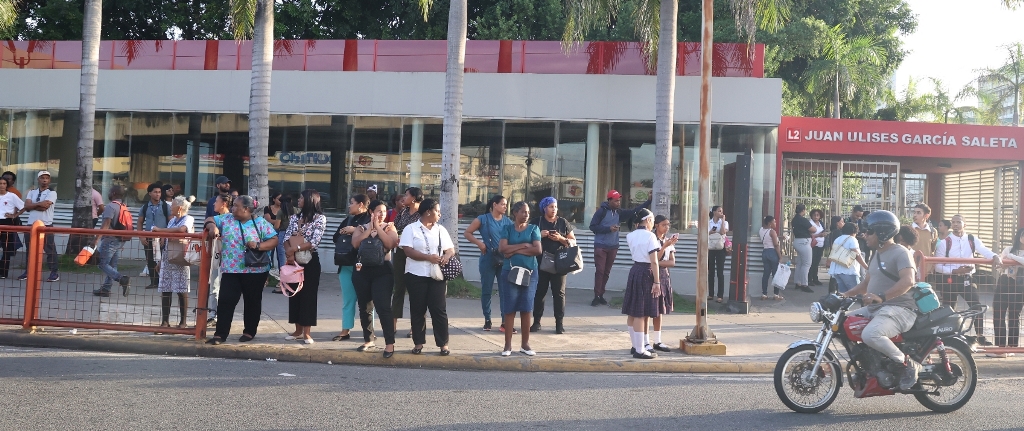
The suspension of the Santo Domingo Metro, dependent on the Paraíso and Isabela substations, left thousands of users stranded who had to look for alternative transportation.
The Cable Car terminals in Santiago and Los Alcarrizos continued to operate because they are powered by alternative electricity systems.
Affected traffic
Given the inoperability of a large part of the traffic lights, agents from the General Directorate of Traffic and Land Transportation Security (Digesett) assumed manual control of the main intersections.
Some 1,792 administrative agents joined the 2,416 operations already deployed as part of the contingency plan established by General Pascual Cruz Méndez, director of the institution.
During the first hours of the blackout, there were traffic jams that gradually improved.
The closure of the Metro caused concentrations of passengers at bus and concho car stops. Full buses, public cars and motorcycles moved slowly while thousands of people walked long stretches due to the lack of transportation.
Services affected
The situation also affected hospitals, clinics and businesses that had to operate with power plants or remain partially closed. In some medical centers, emergency services and operating rooms were limited to the operation of generators, while commercial establishments reduced their hours or suspended operations.
Energy and Mines
According to the preliminary report of the Ministry of Energy and Mines, the breakdown at the San Pedro de Macorís substation caused the immediate disconnection of the generating plants in the East, which caused a chain reaction at the national level.
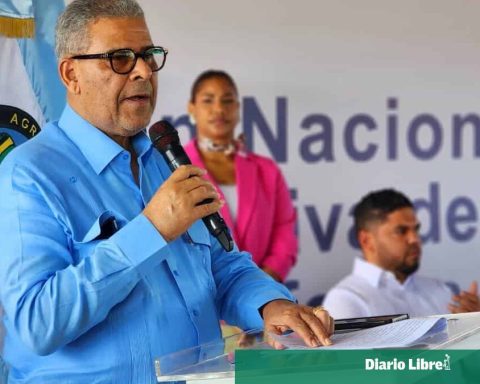
“The simultaneous disconnection generated a sudden drop in frequency and voltage, causing the total collapse of the system. It is a self-protection mechanism that prevents further damage to the transmission lines and generation equipment,” explained Minister Joel Santos.
Critical areas first
Santos confirmed that technicians work continuously on the synchronization and progressive ignition of the generating plants, prioritizing critical areas and essential services.
After 7:40 p.m., Santos reported that 1,082 megawatts of generation had been incorporated online, equivalent to around 33 percent of the SENI’s real demand.
The demand for energy consumption is increasing, exceeding 3,600 megabytes.
Restoration
– Priority
The authorities stressed that the priority is to restore essential services, such as hospitals, aqueducts, telecommunications and transportation, before completing the total reconnection of the system. They also reiterated their commitment to transparency.