The United Kingdom decided to suspend part of its intelligence cooperation with the United States, following recent military attacks against ships in the Caribbean.
According to sources cited by an international media outlet, London fears that the information shared could be used to select targets in operations that have left dozens dead and that international organizations classify as extrajudicial executions.
Breakdown in cooperation and legal questions
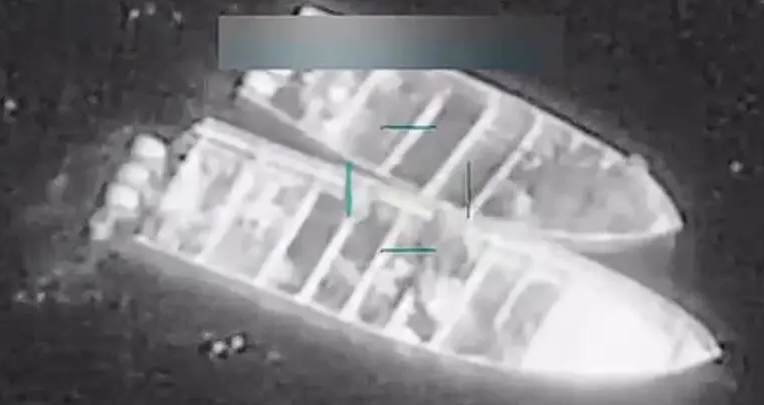
For years, the United Kingdom had collaborated with Washington in locating vessels suspected of transporting drugs, allowing the Coast Guard to intercept them and detain their crews.
However, since September, the US began carrying out lethal attacks against these ships, raising concerns in London about the legality of the actions.
British officials believe the operations violate international law and have decided to halt the provision of intelligence.
The UN High Commissioner for Human Rights, Volker Türk, had already warned that the attacks constitute “extrajudicial executions.”
Tensions in the region and the posture of allies
US strikes have destroyed at least 20 vessels and killed more than 70 people in the Caribbean and eastern Pacific.
The Trump administration maintains that drug traffickers represent “enemy combatants” in an armed conflict, an argument that has been questioned by legal experts and allies such as Canada, which has also dissociated itself from these military operations.
The British decision occurs in the middle of the IV Celac-EU Summit in Santa Marta, Colombiawhere several Latin American and European countries have demanded respect for International Law and have expressed concern about the growing militarization in the Caribbean region.
Greed for natural resources
This Monday, the president of Colombia, Gustavo Petro, warned that the US empire’s greed for natural resources represents a threat to Venezuela and the New Granada country.
Likewise, he indicated that the accusations about an alleged link with drug trafficking are false. “Bolívar’s sword was never smeared with cocaine. The power is not ours, it belongs to the people.”
This statement by the Colombian president goes in the same direction as what was said by his Venezuelan counterpart, Nicolás Maduro, who has repeatedly maintained that the presence of United States troops in the Caribbean seeks a change of government in his country and thus appropriates natural wealth.