The espionage trial against Alejandro Gilformer vice prime minister and former minister of Economy and Planning of Cuba, celebrated his first day this Tuesday in Havana between official silence and broad social expectation.
Gil, who was also a close collaborator of President Miguel Díaz-Canel and a member of the PCC Central Committee, is the largest senior official to fall from grace in Cuba in at least fifteen years.
According to official media, this process before the Chamber of crimes against State Security of the Supreme People’s Court (TSP) will be limited to the accusation of espionage, despite the fact that the Attorney General’s Office (FGR) formalized eleven charges against him, the majority for corruption.
The Cuban Penal Code provides for the crime of espionage penalties of “deprivation of liberty of ten to thirty years, life imprisonment or death,” although the prosecutor’s request has not been made public.
The oral hearing, held behind closed doors “for reasons of national security”was scheduled to start at 9:30 in the morning, as reported the day before by the TSP in a statement.
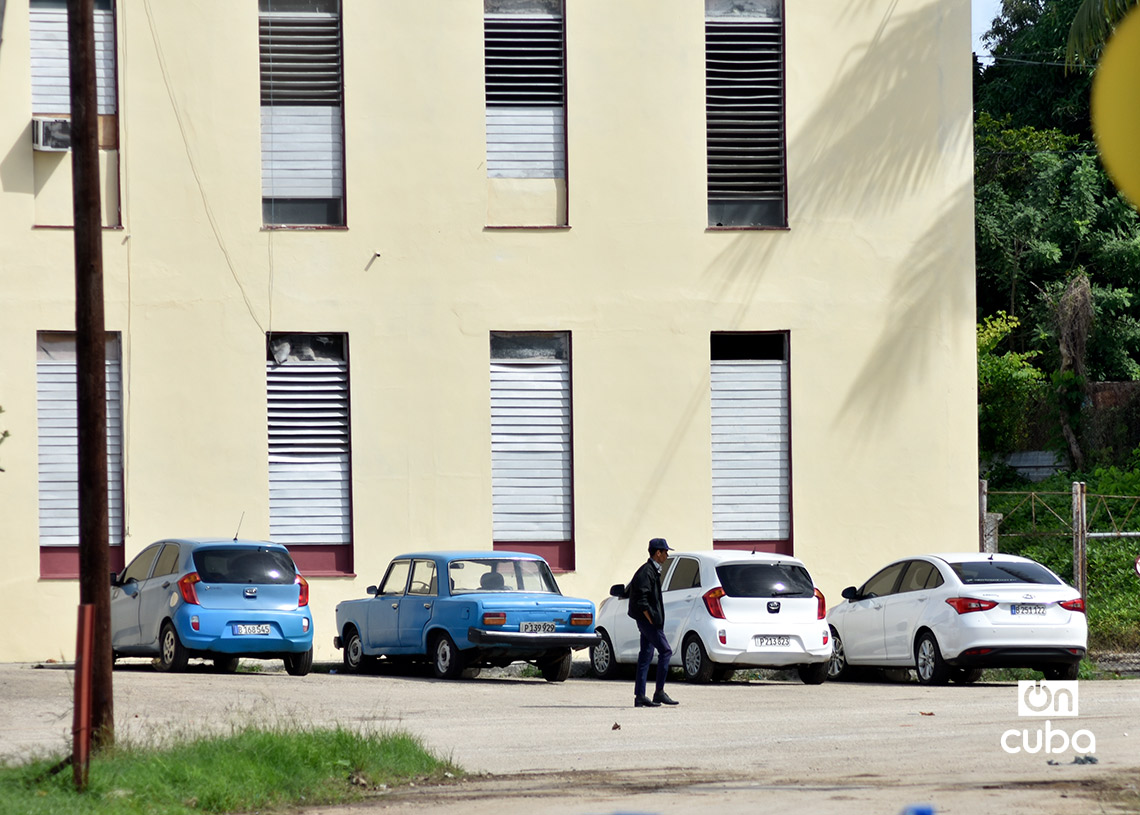
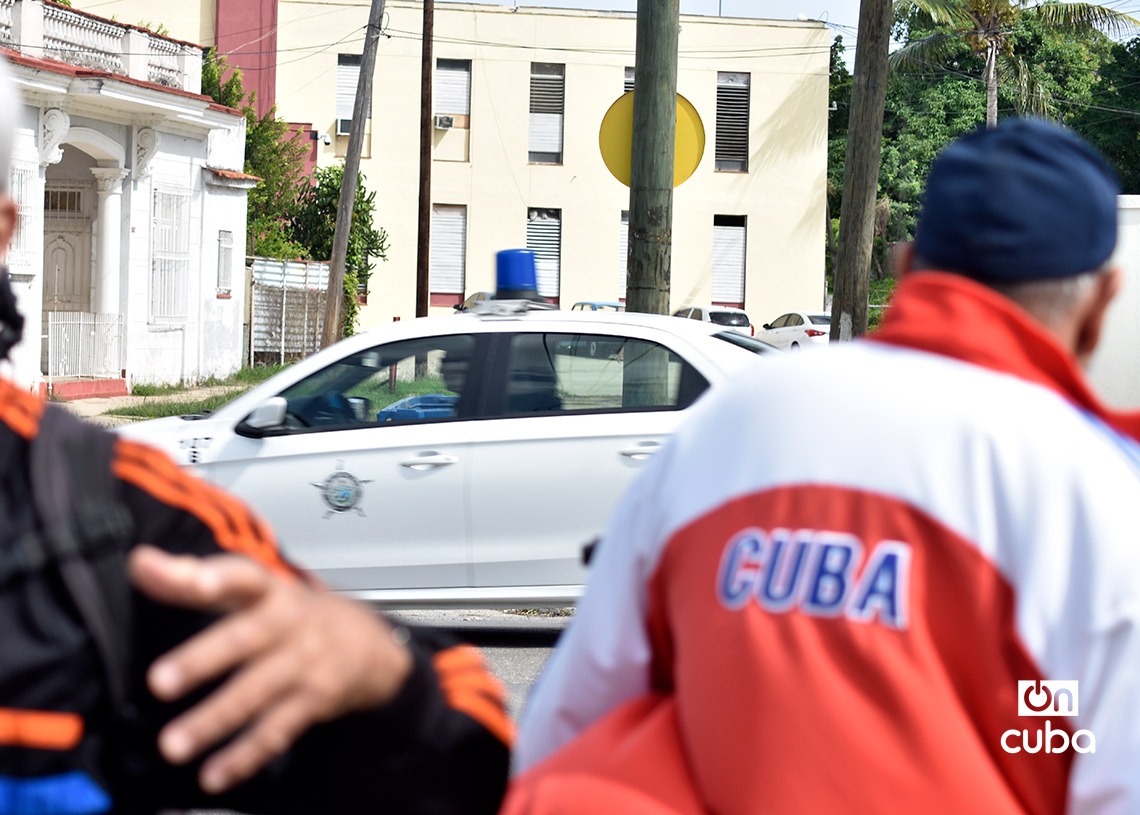
The process, which could last for several days, takes place in the Popular Civil and Family Court of Marianao (100 and 33 streets). It is a controlled access site where this Tuesday there was barely more activity than normal, as was confirmed EFE.

Mutism and explanations
Regarding the trial for the biggest political scandal in years, no one from the Cuban Government or the PCC has taken a position in recent days.
Only the Secretary of Organization of the PCC, Roberto Morales Ojeda, wrote on social networks a quote from former President Fidel Castro, without context or clarification, but obviously related: “The party of communists has to be a party of honest people above all.”
In exchange, Granma released this Tuesday an extensive interview with Arnel Medina Cuencadoctor in Legal Sciences and professor at the University of Havana, to explain details of this cause and steps of the process.
Medina pointed out that the crime of espionage is characterized “broadly” in the Cuban Penal Code and that it entails, almost automatically, the restriction of access to the trial to prevent “information that, by its very nature, endangers national security” from coming to light.
He also explained that the FGR “has presented at least two different files” for the Gil case: one for espionage before the TSP, which is the one that is now being elucidated; and another for the remaining ten crimes, and, apparently, with more accused. Medina did not clarify which instance would take over this second file.
Daughter of former minister Alejandro Gil demands transparency and public trial against her father
From minister to defendant
Gil, at the head of the Economy and Planning portfolio between 2018 and 2024, was dismissed in February of last year, which was initially attributed to problems in the application of economic reforms in the country in a context of crisis.
A month later, Díaz-Canel announced in an unusual statement that Gil was being investigated for “serious errors” linked to corruption crimes and that the former minister had acknowledged “serious accusations.” Gil remained in provisional detention ever since.
At the end of last October, one year and seven months after the presidential statement, the FGR announced that Gil was charged with eleven crimes, including espionage, an unexpected charge that placed the process in a new framework.
Former Cuban Minister Alejandro Gil is charged with espionage, embezzlement and money laundering
The others were embezzlement, falsification of documents, tax evasion, influence peddling, money laundering, acts detrimental to economic activity or contracting, bribery, violation of the rules for the protection of classified documents and theft, and damage to documents or other objects in official custody.