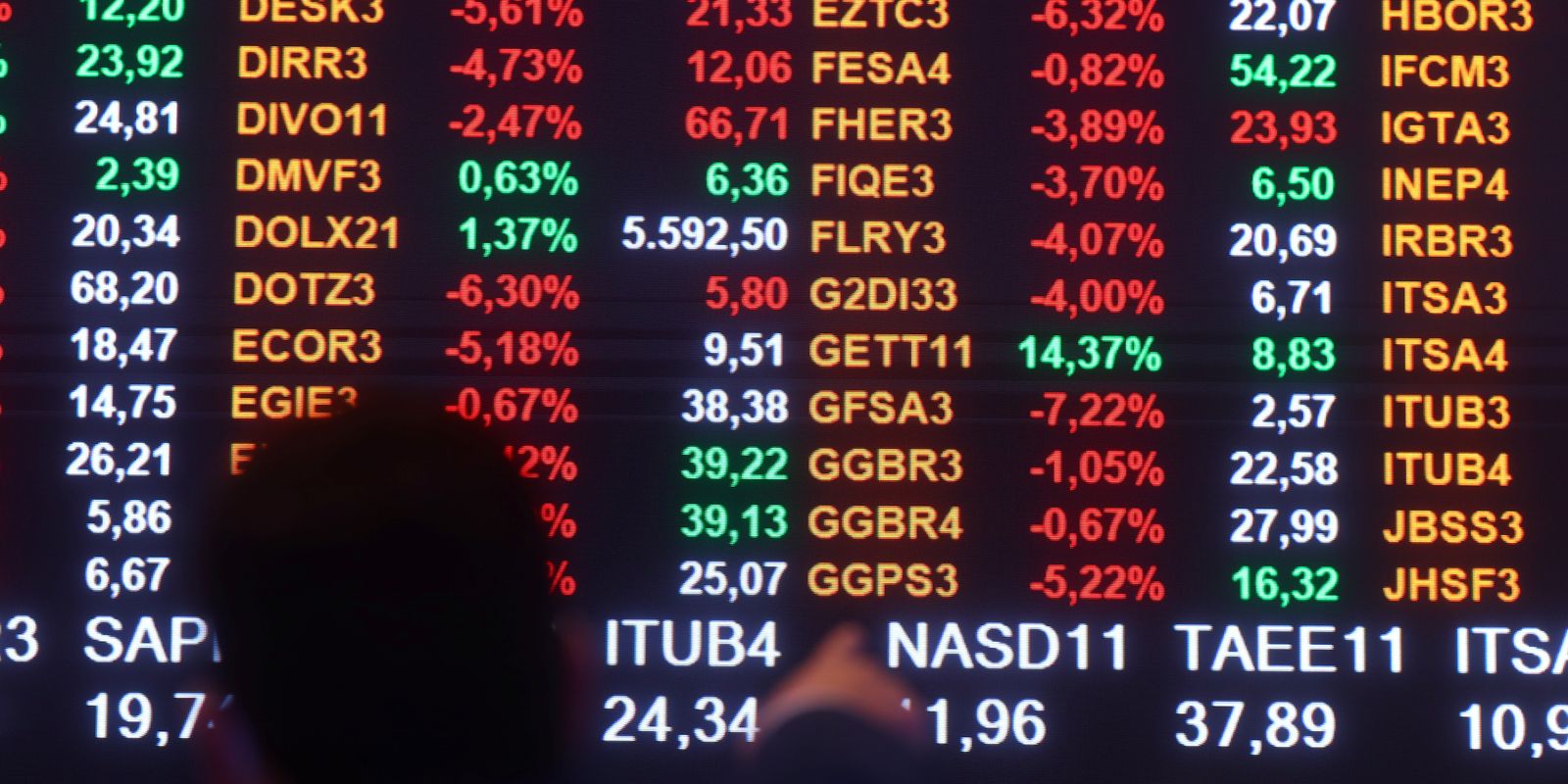
In another day of euphoria in the financial market, the stock market rose for the 14th time in a row and surpassed the 155 thousand points mark, a new record. The dollar fell to its lowest value since the end of September, with the expectation of an end to the shutdown (government shutdown) in the United States.
The Ibovespa index, from B3, closed this Monday (10) at 155,257 points, an increase of 0.77%. Rising throughout the session, the Brazilian stock market was driven mainly by shares of oil companies, mining companies and banks. The indicator broke a record for the 11th consecutive time and is close to equaling the sequence of 15 increases between May and June 1994, just before the Real Plan.
With an increase of 3.82% in October alone, the Brazilian stock market will rise 29.08% in 2025. This is the highest accumulated annual increase since the 31.58% appreciation recorded in 2019.
In the foreign exchange market, the day was also positive. The commercial dollar closed the day selling at R$5.307, with a decrease of R$0.029 (-0.55%). The price fell throughout the session, but the downward trend deepened around 3pm, when it settled in the R$5.30 range.
The US currency is at its lowest value since September 23, when it closed at R$5.27. The currency falls 1.36% in November and accumulates a drop of 14.12% in 2025.
Both internal and external factors contributed to the euphoria in the market. On the international scene, the prospect of the end of shutdown in the United States, after an agreement between the Republicans and the centrist portion of the Democratic bench in the Senate, it caused American stock markets to rise sharply and the dollar to fall across the planet.
In Brazil, the financial market is awaiting the release of the minutes of the Monetary Policy Committee (Copom), this Tuesday (11), and official inflation in October. Investors want to analyze the tone of the document to get clues as to when the Central Bank (BC) should start lowering the Selic Rate (the economy’s basic interest rate).
In relation to the Broad National Consumer Price Index (IPCA), if inflation in October is lower than expected, there will be room for the Copom to start cutting the Selic in January, instead of March of next year. Lower interest rates encourage the migration of investments to the stock market.
* with information from Reuters