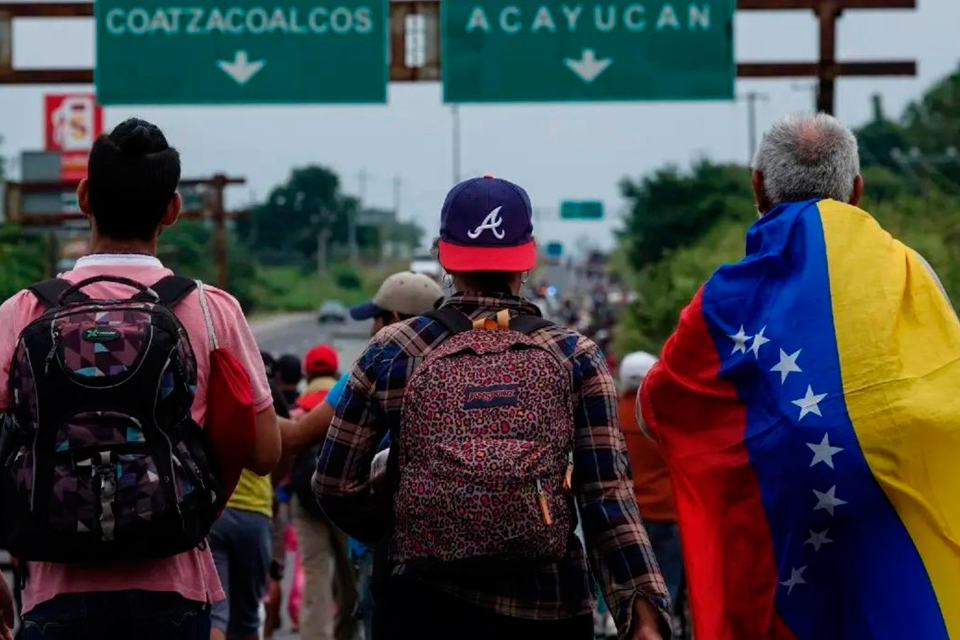
According to UNHCR data, nearly 7.9 million people have left Venezuela in search of protection and a better life. The majority, some 6.7 million people, have been welcomed by other Latin American and Caribbean countries
The exodus of Venezuelans leaving their country remains stable, despite the vast United States military operation against boats allegedly linked to drug trafficking in the Caribbean Sea, according to the UN Refugee Agency (UNHCR).
“We have not seen a significant increase” in Venezuelans leaving their country, UNHCR High Commissioner Filippo Grandi said in an interview with EFE from the city of Belém, in the Brazilian Amazon, where the thirtieth world climate conference (COP30) began this Monday.
The Italian diplomat maintained that “the departure of Venezuelans continues for different reasons,” without observing major changes since the US launched, about two months ago, a vast offensive against vessels apparently linked to drug trafficking groups.
The North American power began bombing civilian boats in the Caribbean Sea and later extended its operations to the Pacific Ocean.
The latest attacks occurred this Monday, when the US Army sank two boats in the waters of the eastern Pacific, in two actions in which six people died.
With these two new attacks, there are already more than 70 deaths and twenty vessels destroyed within the campaign against drug trafficking of the Administration of President Donald Trump, which has raised fears about possible land incursions into Venezuelan territory.
“Frankly, we hope that all differences between countries can be resolved peacefully because we do not need another conflict in this region or, for that matter, in the world,” Grandi noted.
The exodus of Venezuelans fleeing the social, economic and political crisis that the Caribbean nation is going through became especially acute after the wave of protests in 2017.
According to UNHCR data, nearly 7.9 million people have left Venezuela in search of protection and a better life.
The majority, some 6.7 million people, have been welcomed by other Latin American and Caribbean countries, according to the United Nations agency.
With information from the EFE agency
*Journalism in Venezuela is carried out in a hostile environment for the press with dozens of legal instruments in place to punish the word, especially the laws “against hate”, “against fascism” and “against the blockade.” This content was written taking into consideration the threats and limits that, consequently, have been imposed on the dissemination of information from within the country.
Post Views: 52