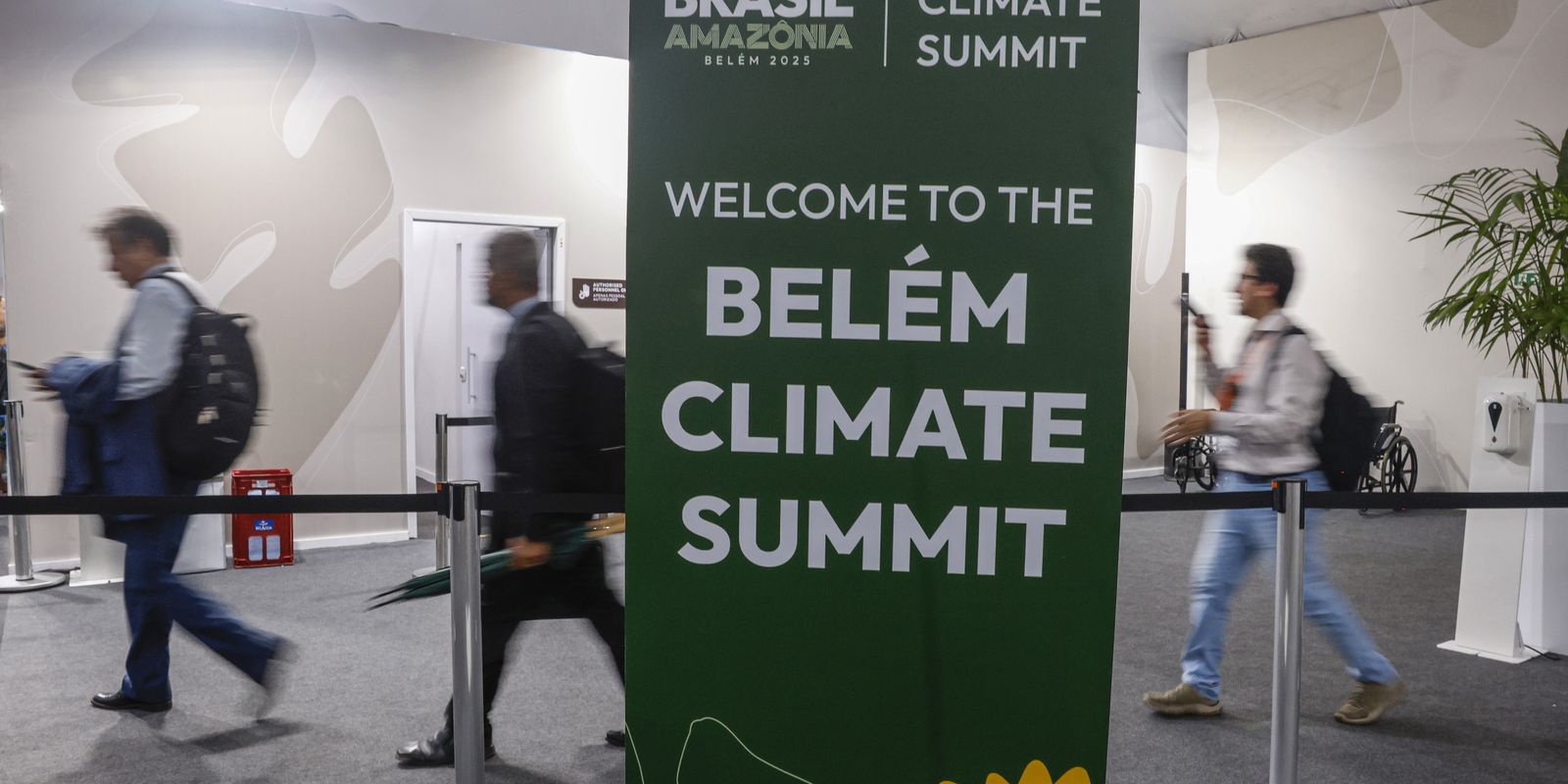
This Monday (10), TV Brasil will show, at 11pm, a new episode of the award-winning program Caminhos da Reportagem, which has the theme “Amazonia: heart of COP30”. The attraction recalls achievements from previous conferences, in addition to presenting the challenges for the future of this new edition in Belém (PA).
The starting point for the Climate Conferences was given in Brazil. In June 1992, Rio de Janeiro hosted ECO-92. The event brought together 178 heads of government and made the planet understand that climate change is a consequence of human action.
Three years later, the first COP emerged. The stage was Berlin, Germany. Now, 30 years later, the Amazon hosts the conference. The city of Belém will focus, at COP30, on discussions about fossil fuels, the greenhouse effect and energy transition.
There is a consensus among scientists that, if the planet’s temperature exceeds 1.5ºC of the level before the Industrial Revolution, extreme weather events, such as the floods in Rio Grande do Sul and the drought in the Amazon last year, will be even more intense and common.
To demonstrate the scenario, Caminhos da Reportagem went to the second largest favela in Brazil: Sol Nascente. 30 kilometers from Praça dos Três Poderes, in Brasília, the region suffers from low income, few jobs, insufficient infrastructure, lack of water during drought and excess water during rain.
“The situation, in rainy weather, is precarious. There is erosion of more than three meters, which takes houses side by side”, says Sandra Ribeiro Bento, local community leader. “The periphery is the one that suffers the most”, summarizes the president of the Sol Nascente Housing Federation, Edilamar Souza.
>> Follow the channel Brazil Agency on WhatsApp
COP30
The attraction presents that one of the solutions is to replace oil and coal with renewable energy sources. Other fundamental measures are to eliminate deforestation and recover forests. Topics that will certainly be discussed at COP30.
The Minister of Environment and Climate Change, Marina Silva, told the TV Brasil program team that Brazil has already recovered half of the 12 million hectares of forests that the country has committed to restoring by 2030. “There are more than six million hectares,” she said.
Other important debates involve oil exploration at the mouth of the Amazon River and a new development: financing for the maintenance of standing forests.
The United States’ withdrawal from the Paris Agreement is an obstacle to be faced. The document, signed in 2015 by more than 190 countries, began to be disregarded as soon as Donald Trump resumed the presidency, in January of this year. In a nutshell, the Paris Agreement set voluntary targets for reducing greenhouse gas emissions.
“This is not insignificant, but it opens up possibilities. I’m looking at the glass as half full, but it is possible to move forward in some negotiations, because the United States has historically been a big blocker of certain issues in conventions. And one day they will have to return to this agreement, because the climate crisis will not spare any country from its effects”, predicts Climate Policy specialist at the Climate Observatory, Estela Herschman.
Service
Reporting Paths – Amazon: heart of COP30
Monday (10), at 11 pm, on TV Brasil