The Dominican Republic advances in the preparation of its coffee producers in the face of a new international challenge that could define the future of the sector: the Anti-deforestation Regulation of the European Union (EUDR), which will come into force next year and which establishes strict conditions for the export of agricultural products to that market.
According to the agricultural economist Sandy Susanathis regulation requires that all coffee exported to the European bloc meets two fundamental requirements: “First, that the coffee be free of deforestation as of December 30, 2020; and second, that it occurs under the legal rules of the country of origin”.
The latter – explains Susaña – represents the biggest challenge for the small producers Dominicans, who mostly operate in mountainous areas with problems of land tenure.
40.5
Coffee exports recorded millions of dollars in 2024, according to ProDominicana.
“A coffee farmer with 10 or 20 tasks you must present property titlescomply with tax laws, declare income taxes, respect environmental standards and, if you have permanent workers, join the social security. All of this represents a very difficult burden to assume without support,” he said.
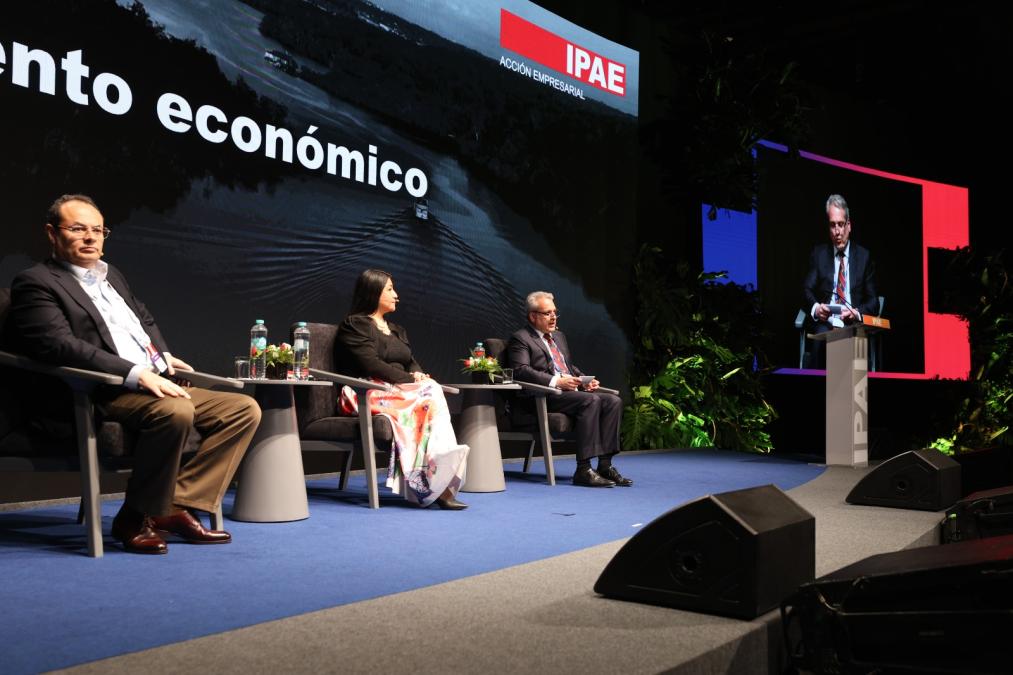
To face this situation, the country yesterday launched the Certification Program Sustainable Farmdesigned to help coffee farmers meet EUDR requirements and maintain access to european market.
“We present to the country the Certification Program of Sustainable Farmalong with the Integrated System of Coffee Information and Services.
Two instruments that mark a before and after in the way we manage production, traceability and sustainability of the coffee in the Dominican Republic“he highlighted Leonidas Batista Diazexecutive director of the Dominican Institute of Coffee (Indocafe).
The Farm Certification Coffee Sustainable, driven through Biodiversity Project in Productive Landscapes (BPP), implemented under the leadership of the Ministry of Environment and Natural Resources, with the support of the United Nations Development Program (UNDP) and financed by the Global Environment Facility (GEF), “marks a historic milestone”: it is the first national certification and the first in the Caribbean for plantations of coffee sustainable, endorsed by a national institution.
“He Biodiversity Project in Productive Landscapes has been key to laying the foundations for this process, by demonstrating that the conservation of biodiversity and agricultural productivity can advance together,” he said. Ana Maria Diazresident representative of UNDP.
On the subject, the Minister of Agriculture, Limber Cruzstressed that the coffee It is of vital importance for the country because it is a product that reforests and creates wealth in the countryside. “This certification practically works as a license for acceptance in any market in the world,” he said.
Situation of the coffee
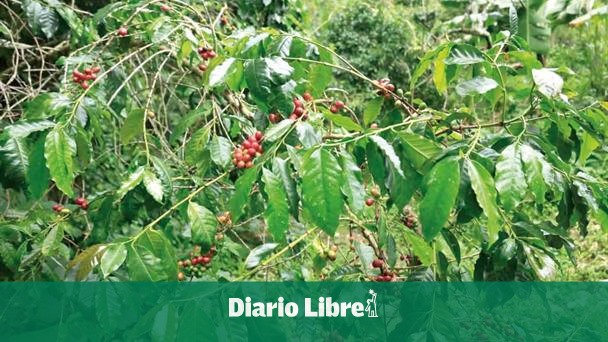
The director of Indocafé explained to Free Diary that, according to the records of the first coffee censuscarried out in 1971, in the country there were 2.4 million tasks dedicated to the cultivation of coffee and 71,439 producers -between men and women- who were dedicated to this activity.
However, the appearance of the coffee borer in the year 2000 and, later, the coffee rust In 2017, they caused a drastic reduction in plantations. It is estimated that the rust reduced the planted area to around 900,000 tasks.